A New Era in East African Energy: Dangote’s Ambitious Refinery Plans
Africa’s richest man, Aliko Dangote, recently made a significant announcement during his visit to Nairobi, sparking considerable interest and uncertainty among regional leaders. At the Africa We Build Summit 2026, Dangote revealed plans to construct a refinery capable of producing 650,000 barrels per day in East Africa within five years or less. This ambitious project is set to be a game-changer for the region’s energy landscape.
Dangote, who was on a panel with the heads of state from Uganda and Kenya, as well as the Africa Finance Corporation chief, emphasized his commitment to investing $40 billion across various sectors, including a signature refinery. His declaration raised questions about the future of Uganda’s own refinery, which is scheduled for a final investment decision in July this year.
Dangote’s Vision for Regional Collaboration
Dangote stated that if agreements are reached with the governments of Kenya, Uganda, Tanzania, South Sudan, and the Democratic Republic of Congo, the refinery would be built within four to five years. He mentioned that the project would involve crude oil from these countries, highlighting the potential for a collaborative effort.
Kenya’s President William Ruto also addressed the summit, indicating that his country would reciprocate Uganda’s investment in the Kenya Pipeline by investing in Uganda’s $4 billion refinery. However, he shifted focus to a joint regional refinery in Tanga, Tanzania, emphasizing its importance for energy security.
“By the way, we are discussing a refinery in Tanzania…we are not discussing a refinery in Kenya or Uganda. We are going to have a joint refinery in Tanga, to benefit all of us,” Dr. Ruto said. He added that the refinery would process oil from the DRC, Kenya, South Sudan, and Uganda, with a pipeline connecting Tanga to Mombasa.
Impact on Uganda’s Refinery Plans
Uganda’s President Yoweri Museveni had to adjust his response when asked about Dangote’s pitch. He noted that Uganda would build a smaller refinery of 60,000 barrels per day, intended for the internal market of Uganda, parts of Tanzania, and parts of Kenya. The surplus crude would be contributed to the Tanga refinery.
The EastAfrican sought comment from the Dangote Group regarding the project’s plan for crude supply. With only South Sudan and the DRC being oil producers and exporters, while Uganda prepares for its first crude exports in the 2026/27 financial year, the feasibility of the Tanga refinery remains under scrutiny.
Regional Energy Infrastructure and Challenges
Gabriel Obiang Mbaga Lima, former Equatorial Guinea minister for hydrocarbons, highlighted the importance of pipeline networks for building internal fossil fuel-based energy markets in Africa. He pointed out the economic disparity between exporting crude at $60 and importing fuel at $100, which results in a significant deficit.
The immediate impact of Dangote’s push into East Africa’s downstream sector could alter the dynamics of the oil industry, potentially affecting Uganda’s market share. The announcement that Kenya intends to invest in Uganda’s Kabalega refinery took officials at the Uganda National Oil Company (Unoc) by surprise, leaving unclear what stake Nairobi intends to take in the project.
Lessons from Dangote’s Refinery
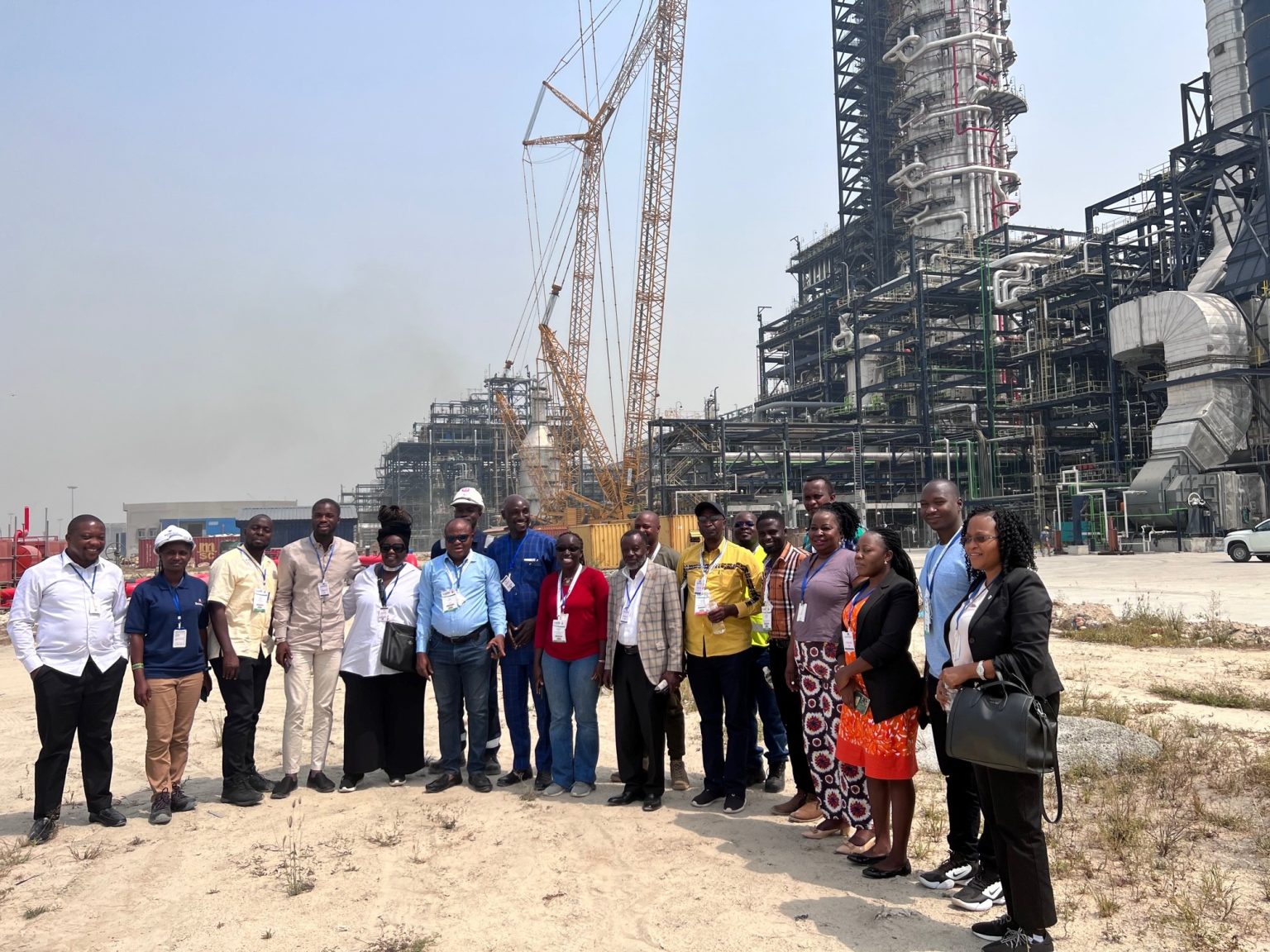
Following a visit by Ugandan parastatals to the multibillion-dollar Dangote Refinery in Lagos, valuable lessons were shared on strengthening governance, technical capability, and large-scale project execution. Unoc posted on X that the engagement provided insights for Uganda’s refinery development.
President Museveni initially sold the Kabalega refinery as an East African project, inviting Kenya, Tanzania, and Rwanda to take up shareholding, but lukewarm interest led to the abandonment of this model. The refinery is currently a joint venture between Alpha MBM Investments LLC and the Ugandan government, with a 60-40 percent shareholding split.
Strategic Implications for Regional Cooperation
At the Africa We Build Summit in Nairobi, President Ruto highlighted plans for a shared project, aiming to integrate crude supplies from East African producers. The plan includes a Tanga-Mombasa pipeline feeding into the existing Kenya Pipeline to distribute refined products, improving asset utilization across the region.
The entry of Dangote provides financial support as the Dangote Refinery plans a continental public offer of shares to raise about $5 billion. Additionally, Dangote outlined a $40 billion investment plan through 2030, focusing on petrochemicals and fertilizers.
Global Context and Economic Implications
The talk of the new project comes amid global disruptions caused by the war in the Gulf, leading to a major disruption of global trade, especially in oil. President Ruto emphasized the need for Africa to rely on its resources to drive long-term growth and economic transformation.
The proposed Tanzanian project highlights Uganda’s Hoima Refinery, which has been in the works for over a decade. Despite delays, it is expected to reach a final investment decision by July this year after securing a financier and partner, Alpha MPM of the United Arab Emirates.
Conclusion
As the geopolitical environment evolves, Uganda stands to gain significantly from selling fuel to its regional peers, boosting its economy. Dangote’s intervention underscores a growing convergence between political leadership and private capital in driving Africa’s industrial transformation. While timelines for the proposed East African refinery remain uncertain, the announcements in Nairobi suggest increasing momentum behind efforts to build a more self-sufficient and industrialized regional economy.