
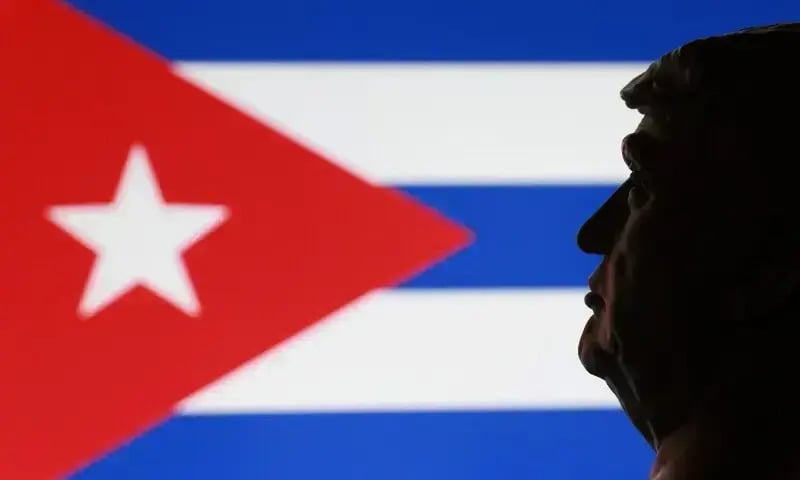
Political Tensions Over Military Authority
In a significant move, US Senate Democrats are attempting to curb President Donald Trump’s power to initiate military action against Cuba. This development is poised to lead to a crucial vote on war powers, reflecting heightened political tensions in Washington regarding the balance of authority between the executive and legislative branches. The situation could influence how future administrations approach foreign military operations.
President Trump has indicated that Cuba might be the next target for potential military action, which has raised alarms among lawmakers. In response, Democratic senators have introduced the Cuba War Powers Resolution, aiming to prevent any unilateral strike by the administration. They argue that Congress should have the final say on major military actions, as mandated by the US Constitution.
Key Players and Expected Vote
The resolution is spearheaded by Senators Tim Kaine, Adam Schiff, and Ruben Gallego. It is anticipated that the Senate will bring the measure up for a vote as early as next week. However, the path to passage remains uncertain, as Republicans currently hold a narrow majority and have historically opposed similar measures.
This dispute occurs against the backdrop of broader discussions about presidential war powers, particularly following recent US military actions in other countries. Democrats claim that Congress has been sidelined when it comes to decisions involving strikes and overseas operations. On the other hand, Republicans maintain that limited military action falls within the president’s authority as commander-in-chief.
Broader Implications and Institutional Tensions
The resolution highlights ongoing institutional tensions over the control of US foreign policy and military engagement. While the outcome of the measure is unclear, it underscores the growing political divisions regarding the use of force abroad. The upcoming vote is expected to test the limits of congressional oversight on executive military power.
The debate also reflects deeper concerns about the balance of power between the branches of government. As the political landscape continues to evolve, the resolution serves as a focal point for discussions on how military actions should be authorized and executed.
Conclusion
The Cuba War Powers Resolution represents a critical moment in the ongoing dialogue about the role of Congress in military decisions. With the potential for a significant vote in the near future, the resolution is set to become a pivotal issue in the current political climate. It not only addresses the specific concern of military action against Cuba but also touches on broader questions of executive authority and legislative oversight. As the situation unfolds, the implications for future US foreign policy and military engagements remain to be seen.