A Journey Through Seville’s Rich Cultural Heritage
In the shadow of the Real Alcazar’s honey-coloured stone battlements, beneath Plaza del Triunfo’s palm trees, a lone dancer, in a not fully zipped up dress with a pink ruffled train, is improvising flamenco. As we cross the square from the Real Alcazar palace and through Seville Cathedral’s Door of the Prince, my guide, Santiago, disapproves of her freestyle moves, calling them an evolution too far.
Part of the Islamic Andalus for 500 years, until it was reconquered in 1248 by Ferdinand III, the city contains millennia of mixing cultures. The Unesco-listed Seville Cathedral took over 100 years to build and was completed in 1519, occupying the site of the Almohad Mosque. In its carved stone, domed sacristy, the transformation from Gothic to Renaissance comes to life before my eyes. The Giralda bell tower, over 50 metres high, with intricate Arabesque decoration, was the mosque’s minaret.
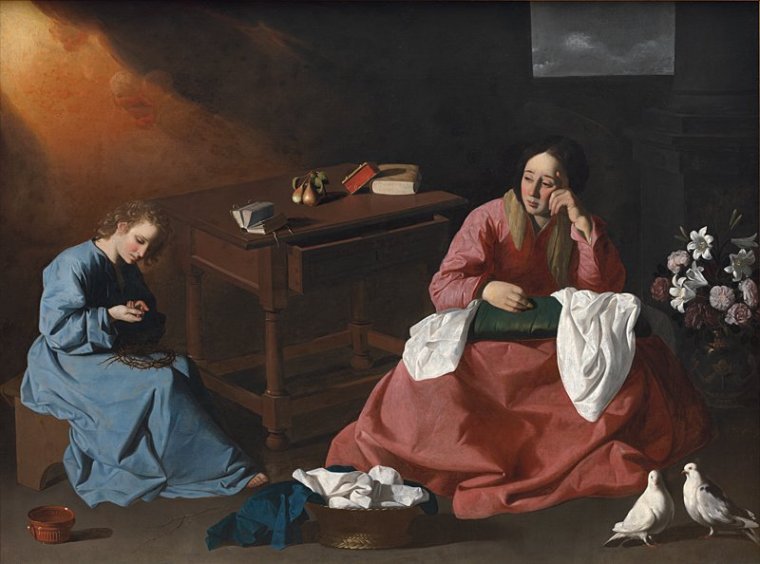
Capilla de San Pedro, with its 15-metre altarpiece, features the rose-hued Immaculate Conception, a late work from 1650 by Francisco de Zurbaran (1598-1664). A Sevillian Golden Age artist, Zurbaran’s first major solo UK exhibition opens on 2 May at the National Gallery.
The best time to visit Seville comes almost two months later, however. In late June, the city is at its most affordable – a value pocket after the festivals of Semana Santa and Ferre de Abril (both in spring), before peak summer. It also means avoiding the huge crowds of Easter; over a million visitors came to Seville for Easter 2025, filling nearly 90 per cent of hotel accommodation.
European public holidays in early June mean the city does still receive a decent number of visitors (the airport recorded 378,301 arrivals in June 2025), but international tourists thin out towards the end of the month, and locals depart for the beach. So, the final week of the month means a wide choice of accommodation and decent flight options from the UK. A long weekend in the city can cost less than £370 all-in, including meals and sightseeing, plus flights and a central hotel booked through an operator like Jet2. In August, a similar break is more expensive by almost a third.
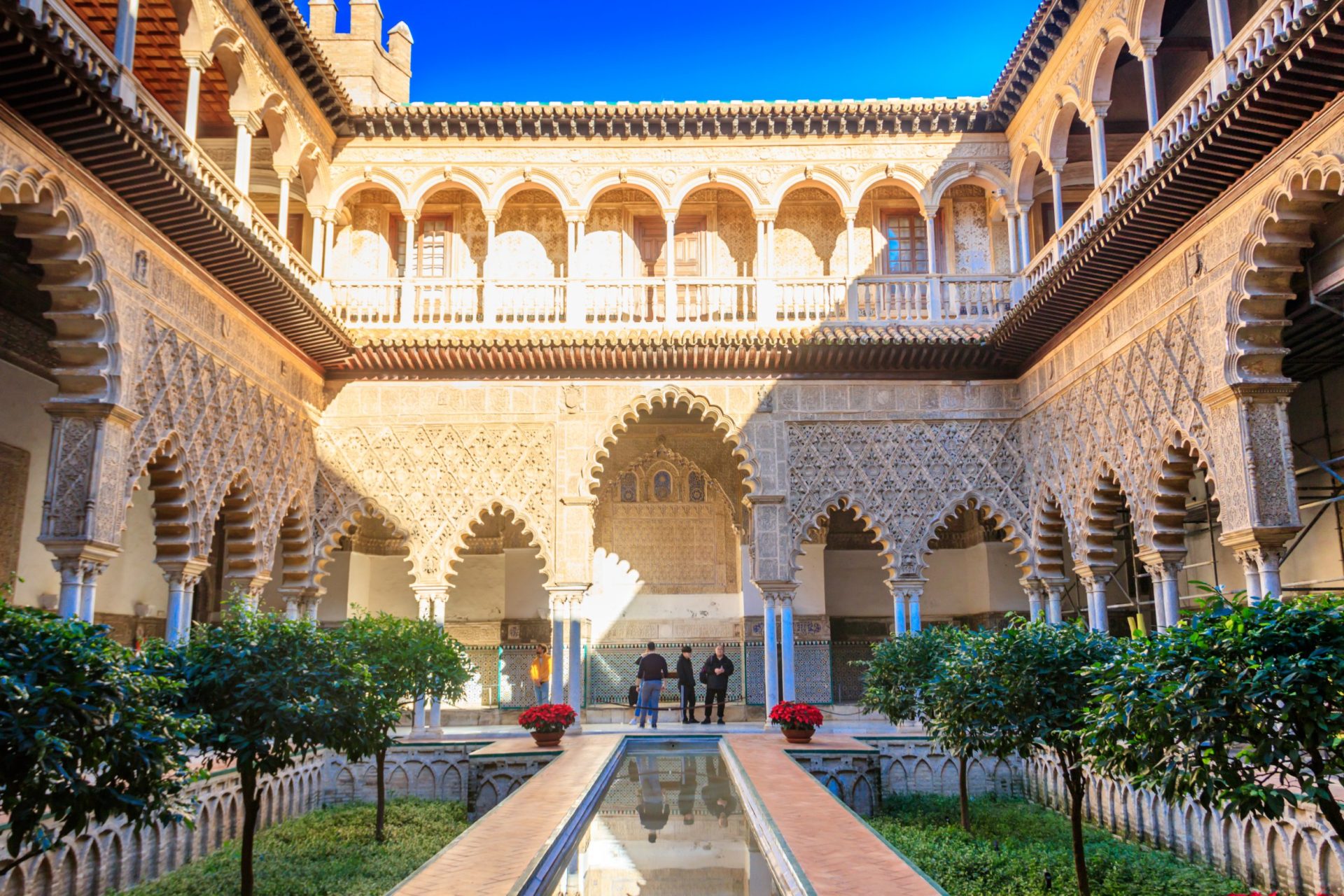
Away from the cathedral, we duck under orange trees, their branches bowed by the weight of green fruit, as Santiago leads the way through a gold and white arch, into what was once the most powerful room in the world. During the 16th century, the Hall of the Ambassadors in the Real Alcazar, was where Sevillian monarchs such as Don Pedro I granted permission for voyages to the Americas. This trade monopoly made Seville Spain’s richest city. Gesturing at the domed golden ceiling, which represents the universe, while the square room symbolises the earth, our guide explains: “This is the place Europeans first saw the potato and tomato.”
Real Alcazar, Europe’s oldest royal palace still in use, dates back to a 10th century Umayyad citadel. Medieval Seville was a centre of scientific and architectural enlightenment, with Christians, Jews and Muslims flourishing; Santiago points out a metal gate, where Islamic calligraphy surrounds a Cross and a star of David at the centre. Hidden in the palace’s geometrically tiled halls and colonnades, circular patterns of turquoise and black act as artisans’ signatures.
Returning to the palace’s stepped, rectangular gardens, landscaped with pools and topiary, we learn that citrus, so symbolic of Seville, was introduced from the Middle East. Now, in spring the Real Alcazar presents a crate of oranges to the British Consul, to be made into marmalade for Buckingham Palace.
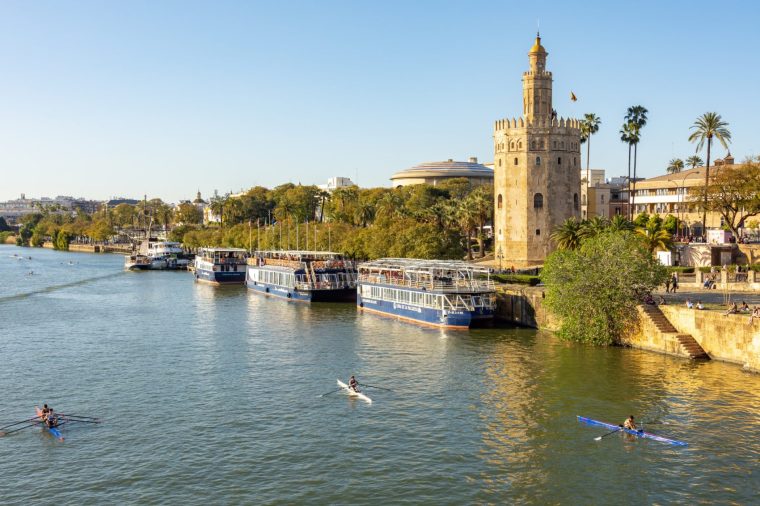
A stroll by the Guadalquivir River brings us to the 12th century Torre del Oro fortress, glinting in the afternoon sun. Originally part of the Moorish city walls, it is recognisable in the Virgin Mary’s background in Zurbaran’s San Pedro altarpiece.
Housed in a former monastery between the Guadalquivir and the Old Town, the Fine Arts Museum’s collection of Golden Age paintings is second only to that of the Prado in Madrid. Pink and cream courtyards look onto green oases of fountains and orange trees. Zurbaran lived here, walking around its three main, double level courtyards, while commissioned in 1628 by the Mercedarian Order. A parting glance at Zurbaran’s St Hugo in the Refectory, 1655, depicting the legend of monks’ post Lent meat turning to ash, signals time for dinner.
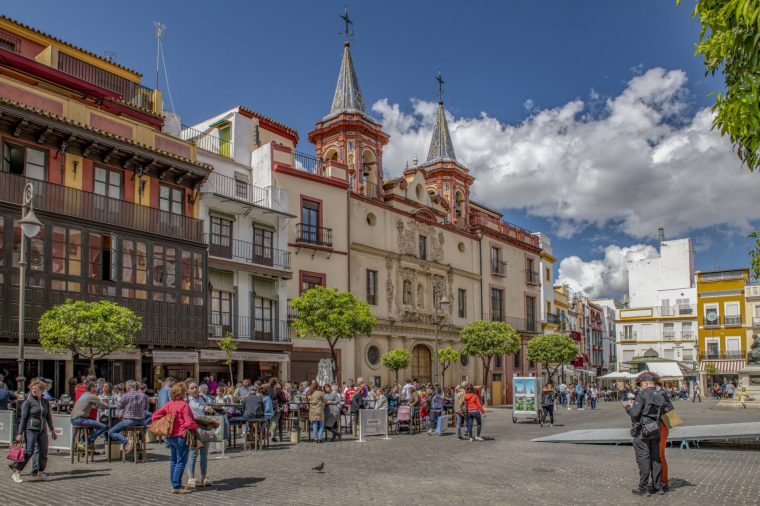
After a brief stop at Universal People Bar, one of the many popular tapas bars lining Plaza del Salvador, where tortilla and croquettes cost just €4.30 each, and cheese with orange preserve is 20 cents more, we head to Casa Anibal.
The riverside restaurant is named after its architect Anibal Gonzalez, designer of the curved Plaza de Espana for Seville 1929 Expo. Downstairs, a bar with golden winged victory centrepiece serves tapas classics, including €4 oxtail croquettes – a reminder of Seville’s bullfighting heritage. Upstairs, seated under pink feathers, we eat cured cheese in olive oil, aubergine in honey, and natillas custard flavoured with violet petals. Dishes, each of which are more than enough for two, range from €7 to €27.
My last culinary mission is to buy dulce del convento, Seville’s famous nuns’ cookies, handmade delicacies including sweet coconut macaroons, lemon scented, olive oil muffins called magdelenas, and pestinos – crispy honey and aniseed twists. Monasterio de San Leandro is a 15-minute walk east of Hotel Colon, where I am staying (and which makes an incredible “sherry Mary”).
I press the buzzer at the signed doorway to request six yemas, sweets made from sugar, lemon juice and egg yolks, from the Augustinian sister on the other side of the two-tier brown turntable. I put down €9, and a blue and white box of six sugary, rich cakes spins back – a sweet memory of Seville to take home.
How to Get There
easyJet, Ryanair, Wizz Air, Vueling and Jet2 all fly from the UK to Seville.
Where to Stay
The writer was a guest of Hotel Colon Grand Melia, which has doubles from £301, B&B.
More Information
Stansted Express costs from £9.90 one way.