Global Jet-Fuel Shortages and Middle East Conflict Impacting International Travel
Australians planning overseas holidays are being warned to prepare for potential travel disruptions. The ongoing conflict in the Middle East has triggered global jet-fuel shortages, increasing the likelihood of sudden flight cancellations. This situation is affecting airlines and passengers worldwide, with significant implications for international travel from Australia.
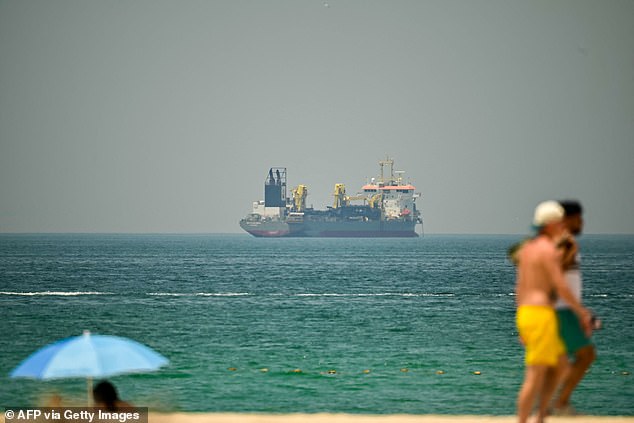
The conflict began when the US and Israel conducted joint strikes on Iran at the end of February, prompting Iran to close the Strait of Hormuz. This critical route for jet fuel out of the Gulf remains closed to shipping, leading the International Energy Agency to issue warnings about possible fuel shortages. The International Air Transport Association (IATA), which represents over 360 airlines, has advised passengers to expect flight cancellations in May.
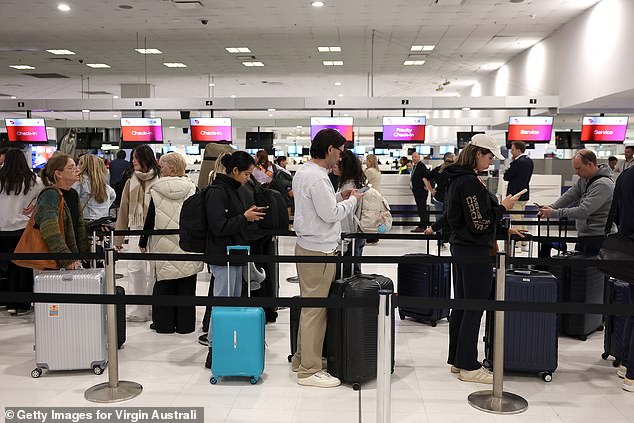
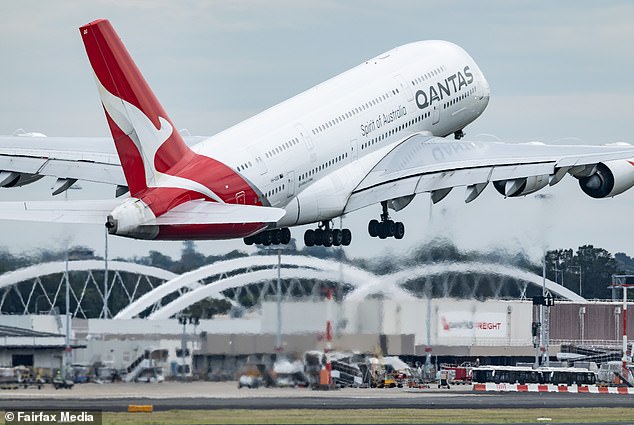
For Australia, this means Qantas and Virgin Australia have both taken measures to reduce capacity and increase fares in response to rising fuel costs linked to the conflict. Virgin Australia recently announced that there will be fewer flights and higher fares across the second half of the 2025–26 financial year and into the next.
Unpredictable Situation and Flight Cancellations
Global aviation expert Geoffrey Thomas has warned that the situation is highly unpredictable, with flights potentially being cut at the last minute. Environment Minister Murray Watt echoed this concern, stating that flight cancellations “can’t be ruled out” if the conflict continues. Thomas emphasized the fragile nature of the current ceasefire, noting that it could change at any moment.
“The availability of fuel is also a major concern for airlines,” Thomas said. “For example, an airline like Cathay Pacific may have plenty of fuel in Hong Kong, but when it comes to Europe, it needs to ensure it has the necessary supplies to refuel and return.”
Europe is particularly vulnerable due to its reliance on fuel sources such as Kuwait, which is hindered by the closure of the Strait of Hormuz. This makes trips from Australia more challenging, especially for airlines like Qantas, which operate the Perth to London service. These airlines must now fly additional distances to refuel in Singapore. Any airline operating through the Middle East is also at risk if the conflict escalates or if Iranian drone attacks resume.
Tips for Preparing for International Travel
Thomas suggested that travelers avoid long-haul trips and instead focus on domestic locations or destinations within the Asia-Pacific region. He recommended postponing trips to Europe until next year and supporting the local tourism industry, similar to how Australians supported domestic travel during the pandemic.
Dr David Beirman, an adjunct professor of tourism at the University of Technology Sydney, advised avoiding the Middle East specifically. He noted that traditional routes from Australia to Europe, Africa, and parts of Asia often pass through the Middle East, but many travelers are now opting for alternative routes via Singapore, Kuala Lumpur, and Tokyo.
Importance of Travel Insurance
Both experts agreed that travel insurance is essential when planning any trip. Dr Beirman stated that not having insurance these days is “pretty crazy.” Most policies cover cancellation or major changes to an itinerary due to various causes. If an airline is uncooperative, travel insurance companies typically step in to provide financial assistance.
If a return flight changes while overseas, airlines usually accommodate passengers. However, if a flight is suspended, the response can vary depending on the airline. Some may offer credits for future travel, while others may allow the use of another carrier.
Key Considerations for Passengers
One important detail for passengers is confirming whether their airline is part of the International Air Transport Association (IATA). IATA member airlines are required to follow specific guidelines, including covering accommodation during stopovers longer than eight hours. Non-IATA airlines may not offer the same level of support.
Dr Beirman highlighted that airlines have their own rules, but IATA members must adhere to the association’s standards. A notable example was the 2010 volcanic ash cloud from Iceland, where passengers on IATA airlines were accommodated, while those on non-IATA airlines faced difficulties.