US President Donald Trump has stated that he instructed his envoys not to travel to Pakistan for further discussions with Iranian officials regarding the ongoing conflict. During an interview with Fox News, Trump remarked, “I’ve told my people a little while ago they were getting ready to leave, and I said, ‘Nope, you’re not making an 18-hour flight to go there.’”
He continued, “We have all the cards. They can call us anytime they want, but you’re not going to be making any more 18-hour flights to sit around talking about nothing.” This statement highlights the administration’s frustration with prolonged diplomatic efforts that have not yielded significant results.
Trump also addressed Axios, clarifying that the cancellation of the talks does not signal a return to hostilities. He emphasized, “We have not thought about it yet.”
The White House had previously announced that US special envoy Steve Witkoff and Jared Kushner were scheduled to travel to Pakistan on Saturday for an “in-person conversation” aimed at advancing negotiations towards a potential deal. However, this plan was abruptly halted by Trump’s decision.
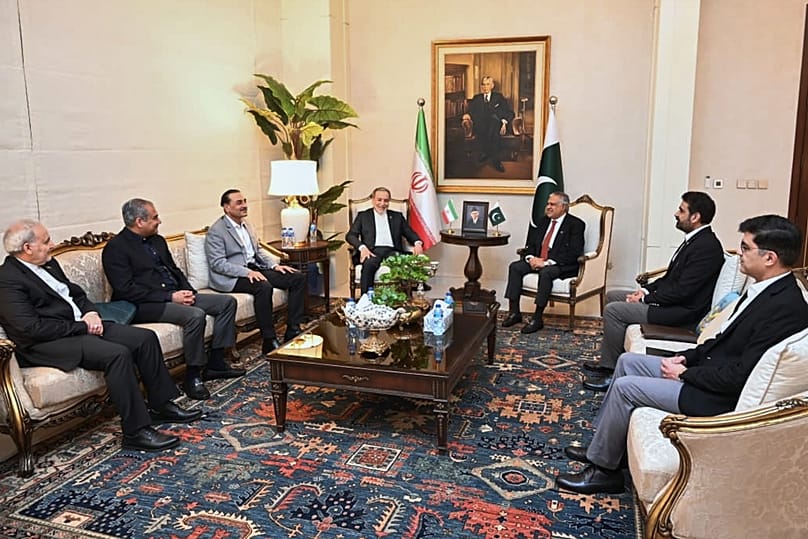
Iranian state media disputed the notion that direct talks were ever on the agenda. Foreign Minister Abbas Araghchi, who recently concluded a diplomatic visit to Islamabad, maintained that such discussions were not part of the initial plans. Araghchi met with Pakistani military chief Asim Munir, Prime Minister Shehbaz Sharif, and Foreign Minister Ishaq Dar, underscoring the complex nature of the mediation process.
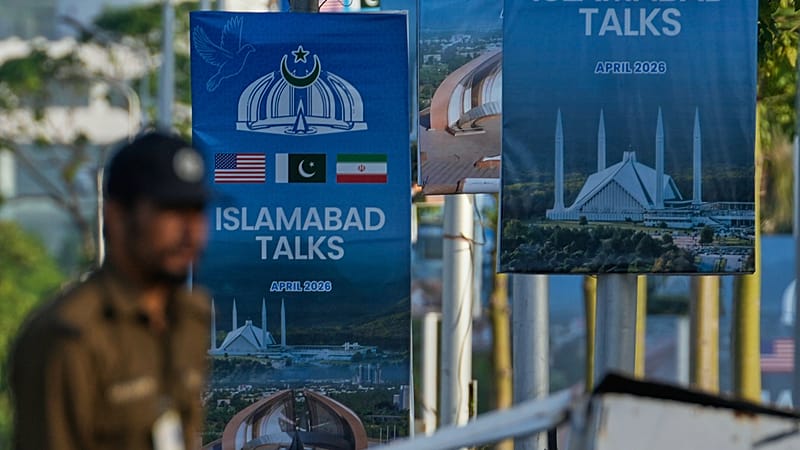
A previous round of negotiations between Iran and the US took place in Pakistan earlier this month, but no agreement was reached. Pakistan has taken on a prominent role as a mediator in efforts to resolve the conflict, with the first round of talks held in its capital during the same period.
On Saturday morning, Islamabad appeared to be under near-lockdown to accommodate the planned talks, which ultimately did not occur. Security measures included soldiers and police stationed at key intersections, as well as helicopters circling overhead. Checkpoints, road closures, and diversions were implemented across the city, particularly in the area surrounding the negotiation venue known as the “red zone.”
Meanwhile, Iran has resumed commercial flights at Tehran’s international airport on Saturday, marking the first time since the conflict with the US and Israel began in late February. Flights heading to Istanbul, Muscat, and Medina departed from Imam Khomeini International Airport, according to state-run media.
Three flights bound for Istanbul were observed departing on Saturday morning via the Flightradar24 tracking platform. Iran’s airspace had remained largely closed since 28 February, but it partially reopened earlier this month when the first ceasefire was announced.