Tui Reports Significant Financial Impact from the Iran Conflict
Travel giant Tui has disclosed that it has already suffered a £35 million loss due to the ongoing conflict in Iran. This financial setback has led the company to revise its profit forecasts and reduce its guidance for the year, as consumers are delaying their holiday bookings.
As Europe’s largest tour operator, Tui has highlighted that the conflict and the uncertainty surrounding its duration have significantly impacted near-term visibility and caused consumer caution. The company now anticipates annual profits for the period ending in September to fall within a range of £960 million to £1.22 billion, compared to its previous forecast of £1.3 billion to £1.4 billion. Additionally, Tui has suspended its sales guidance.
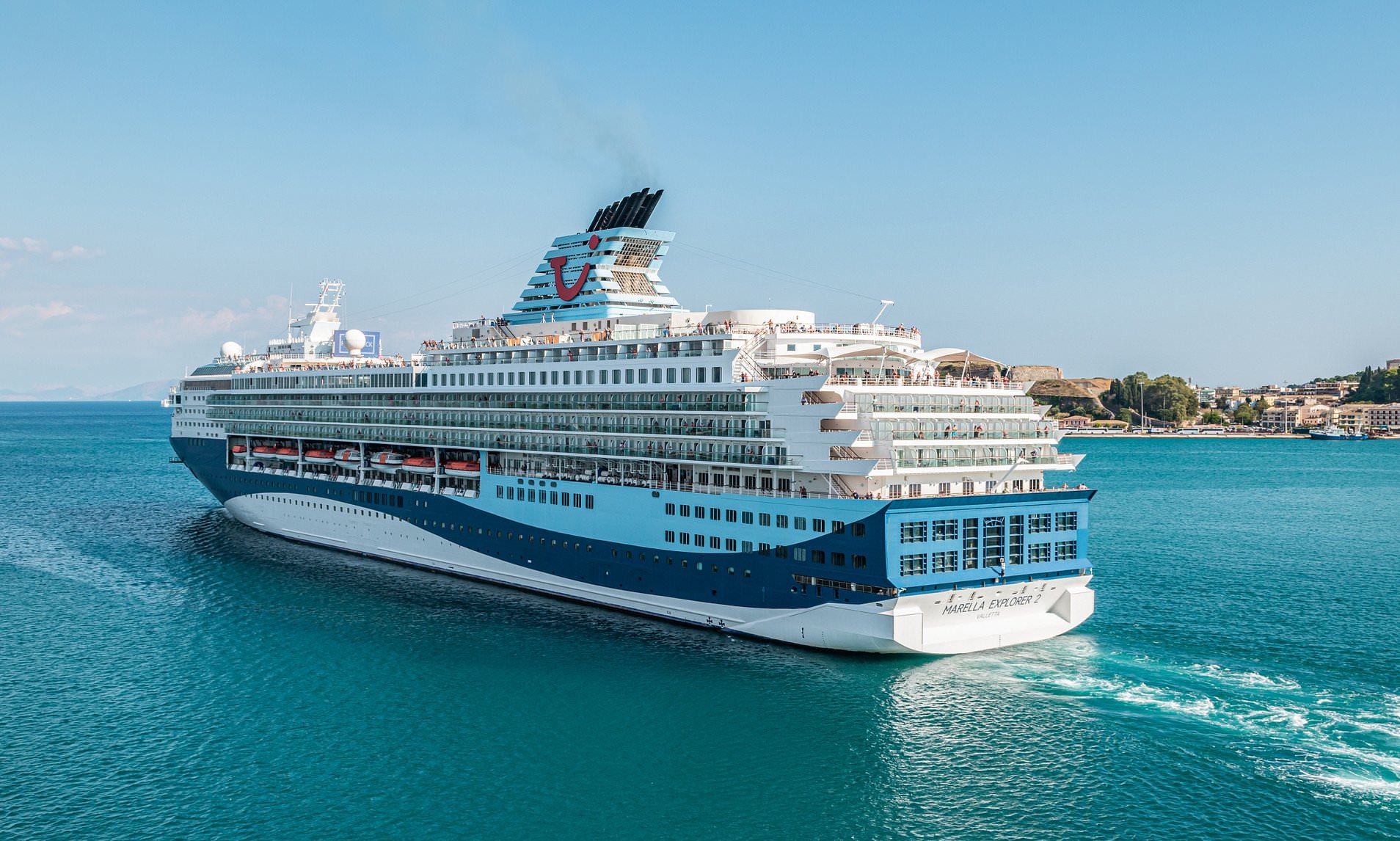
The German firm mentioned that it absorbed approximately £35 million in additional costs related to the war in March. These costs included arranging for holidaymakers and staff to return home. Tui repatriated 5,000 customers from two of its cruise ships, which had been stranded in the ports of Abu Dhabi and Doha following the outbreak of the conflict in late February.
Last weekend, both ships managed to leave the Persian Gulf during a brief ceasefire and are set to begin cruises in the Mediterranean from mid-May. Another 5,000 holidaymakers and 1,500 crew members were also repatriated from other European markets.
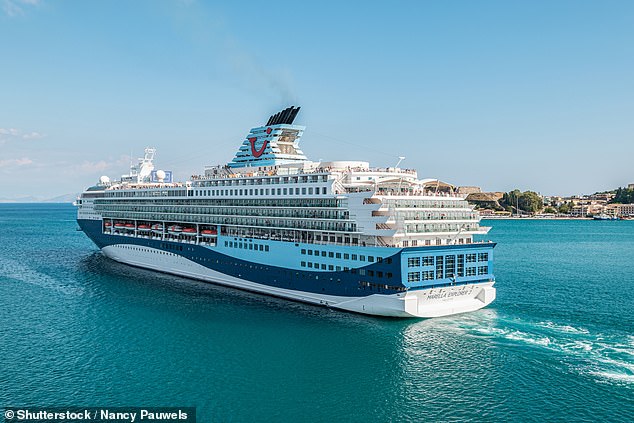
Tui offers flights, package holidays, and cruise voyages in the Caribbean, Mediterranean, and around the Canary Islands, making it a popular choice among British holidaymakers.
Shares of Tui, which trade on the Frankfurt stock market, fell by 2% on Wednesday following the updated financial outlook.
In its division for flights and hotel bookings, Tui noted that holidaymakers have shown increased caution and are booking closer to their departure dates. Demand has also shifted away from Eastern Mediterranean destinations such as Turkey, Cyprus, and Egypt, towards Western Mediterranean locations like Spain and Malta.
Airline revenue for this summer is currently 7% lower than the same period last year, while hotel occupancy rates have also dropped by 7%. However, Tui reported a “sustained, strong booking environment” for its cruises.
The company has hedged 83% of its jet fuel requirements for the summer and 62% for the winter season. It has also hedged more than 80% of its annual energy costs for its cruise businesses.
Last month, online travel firm On The Beach suspended its annual guidance, citing a “significant slowdown in demand” for popular destinations including Turkey, Greece, Cyprus, and Egypt. Similarly, online travel agent Loveholidays reportedly delayed its £1 billion flotation due to market turmoil and disruptions caused by the conflict.
This profit warning comes as British holiday operators have reported higher Easter and summer bookings this year. The ongoing conflict has encouraged Britons to choose staycations over overseas trips.