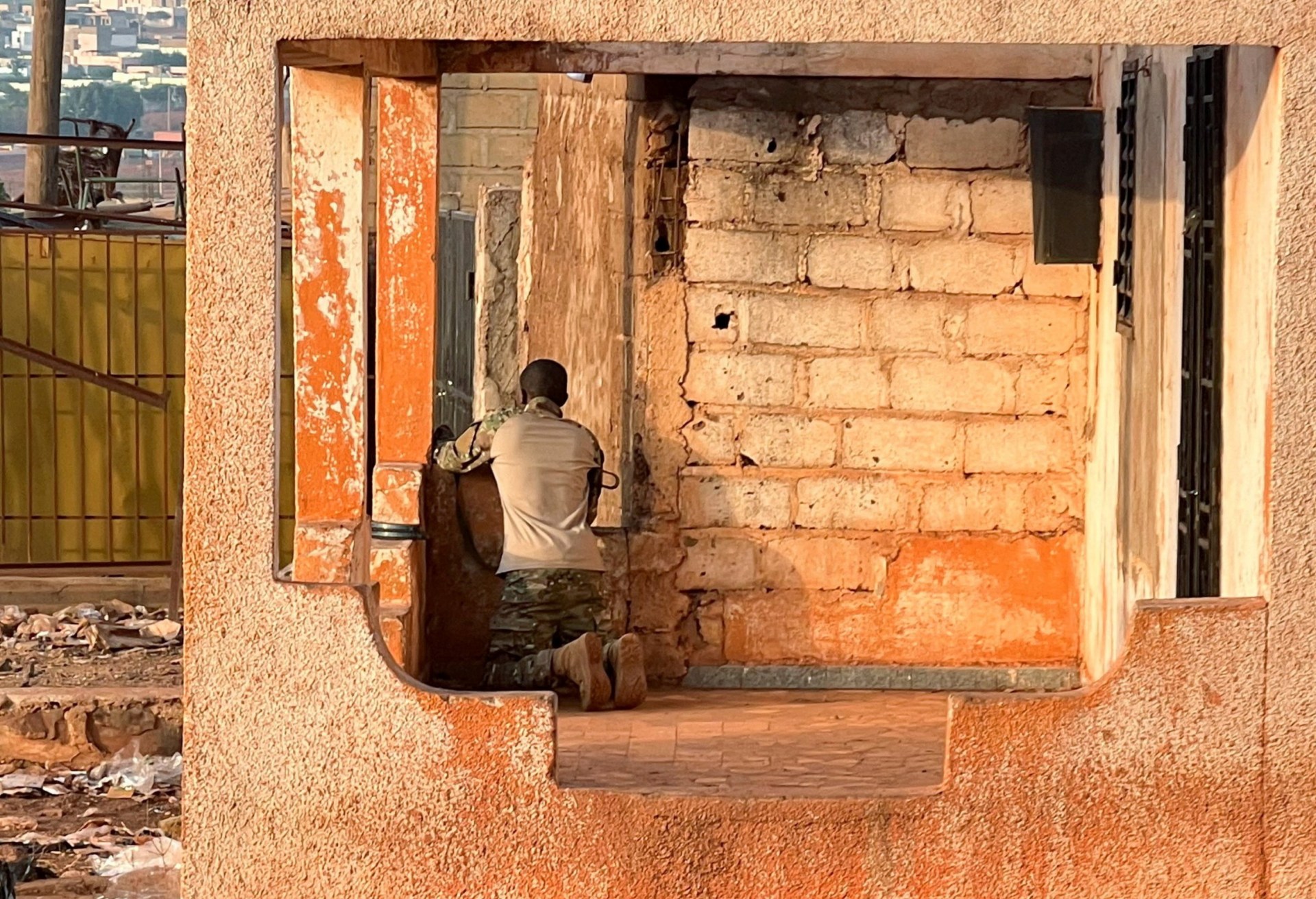
Britons have been warned to avoid all travel to Mali after a series of violent attacks occurred across several cities in the African nation. Armed terrorist groups reportedly targeted military barracks and other locations in the capital, Bamako. The Malian army stated that soldiers were “engaged in eliminating the attackers” and later confirmed that the situation was “under control.” However, the Foreign, Commonwealth & Development Office (FCDO) has issued a strong warning against all travel to Mali due to “unpredictable security conditions.”
The FCDO highlighted the high risk of kidnapping and criminal activity throughout the country. Britons currently in Mali are advised to leave as soon as possible using commercial flights, provided it is safe to do so. Travel by land is not recommended at this time.
The Foreign Office released a statement detailing the attacks: “A series of coordinated attacks occurred in multiple locations including Kidal, Gao, Kati, Sevare, and in the vicinity of Bamako International Airport on 25th April, which has temporarily closed.” It urged those in Mali to stay indoors where possible, avoid crowded places and areas of military or police activity, and follow local authority guidance.
Journalists in Bamako reported gunfire near Modibo Keïta International Airport, which is nine miles from the city centre and adjacent to an air force base. Similar attacks in other cities have raised concerns that the latest insurgency may be the result of coordination among multiple armed groups.
In recent years, Mali has experienced repeated coups led by groups associated with both al-Qaeda and Islamic State, as well as a rebellion in the north. The country, along with its neighbors Burkina Faso and Niger, has turned to Russia for assistance in combating Islamic militant groups following coups in all three nations.
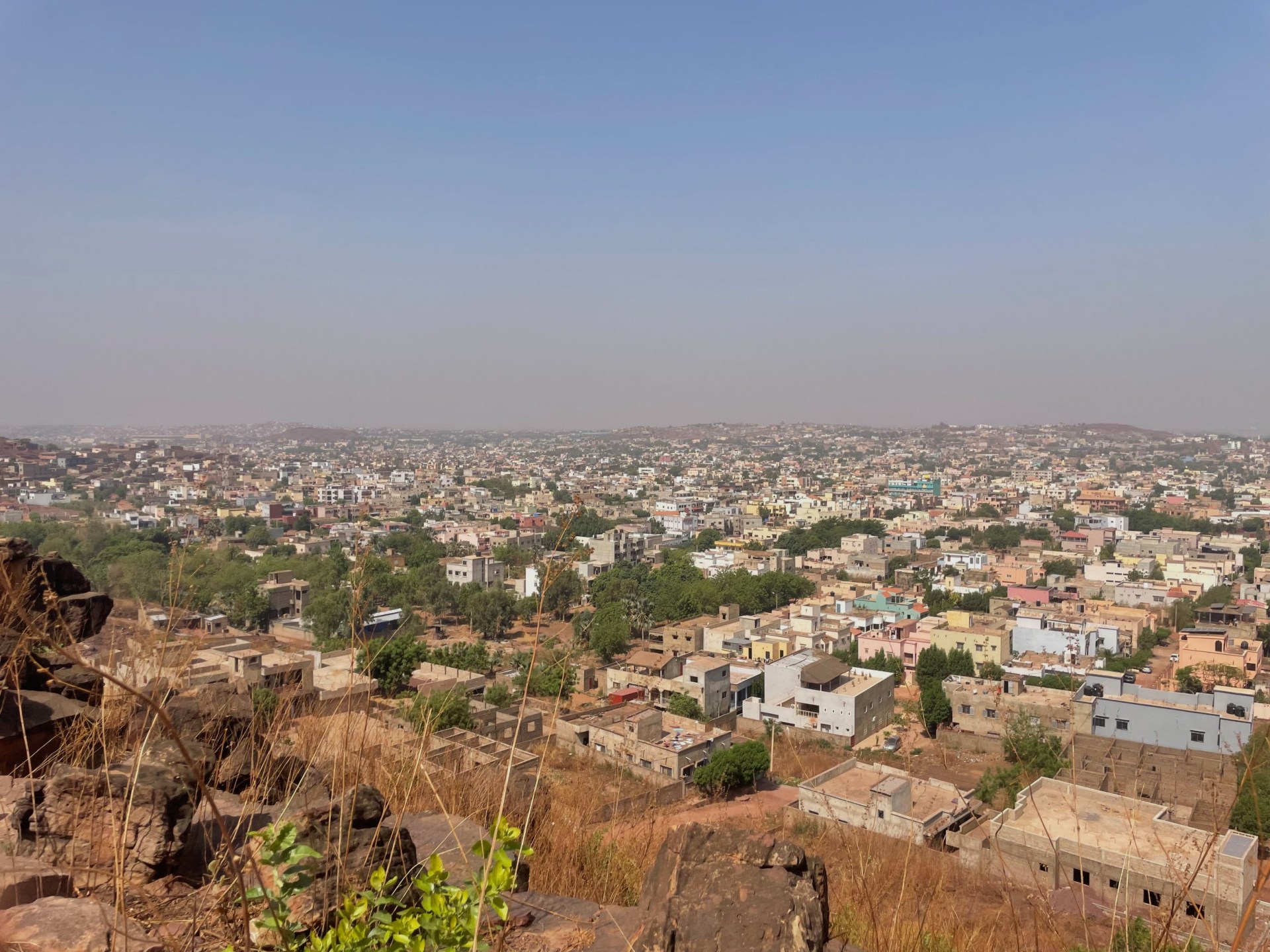
Since 2025, Mali has been governed by a military junta led by General Assimi Goïta, who overthrew the previous regime through a series of coups. Among the cities affected by the latest violence is Goïta’s hometown of Kati, located outside Bamako. A local resident described being woken up by explosions and gunshots.
Bodies were seen on the streets of Kidal and Gao, where intense gunfire was exchanged. One resident in Gao said, “The force of the explosions is making the doors and windows of my house shake. I’m scared out of my wits.”
What is the situation in Mali?
Over the past few decades, Mali and its neighboring countries have experienced frequent political instability. The country has faced successive coups led by pro-Islamic State groups and a separatist rebellion in the north. In 2012, French forces intervened to help curb the Tuareg Rebellion at the request of then-president Dioncounda Traoré.
Since 2015, conflicts between agricultural and pastoral communities in central Mali have escalated. A military junta led by Assimi Goïta took control after two coups in 2020 and 2021. Since September 2025, economic disruption has been caused by a blockade of fuel imports to southern cities by the al-Qaeda affiliate JNIM.
A spokesperson for the Tuareg-led Azawad separatist group claimed to have taken control of Kidal, although these claims have not yet been verified. Ulf Laessing, head of the Sahel program at the Konrad Adenauer Foundation, described the latest uprising as the largest insurgency in Mali in recent years.
The US embassy in Bamako has advised all citizens to “shelter in place and avoid travel to these destinations until further information becomes available.”
For more updates and news, visit our news page. If you have any questions or want to share your thoughts, feel free to contact us via email at [email protected]. Stay informed with the latest stories by signing up for our News Updates newsletter.