The Rise of Adult Dollhouse Enthusiasts
Dollhouses, once considered a childhood toy, are now experiencing a significant revival among adults. This trend is not just about nostalgia but also about the therapeutic and creative benefits that come with building and maintaining these miniature worlds.
A Growing Community
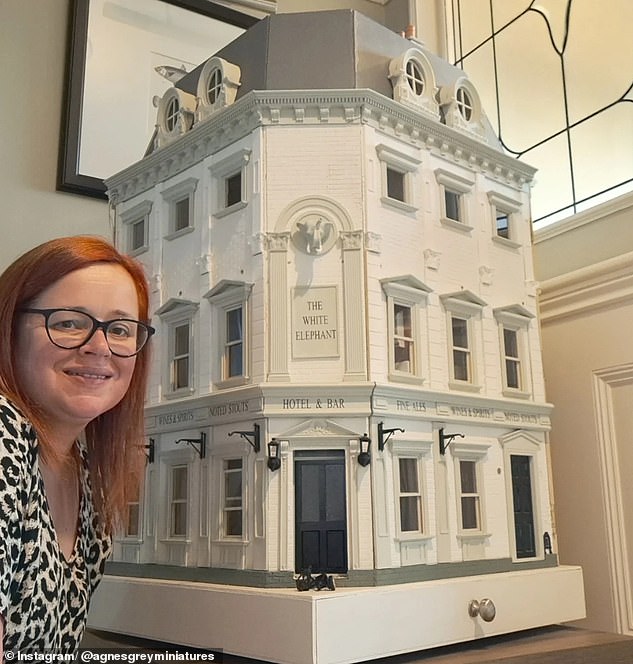
The dollhouse community has grown significantly in recent years, with events like the London Dollhouse Showcase attracting thousands of followers on social media. This event brings together artists from around the world, showcasing everything from grand mansions to simple clothes pegs. The interest in dollhouses has not only persisted post-pandemic but has also gained momentum, as people seek meaningful ways to engage their minds and creativity.
Psychological Benefits
Psychologist Phil Macleod highlights the psychological advantages of engaging with dollhouses. He explains that in a digital world, the tactile nature of dollhouses offers a refreshing escape. These miniature homes provide a calm, creative outlet that can help reduce anxiety and promote mindfulness. It’s similar to the benefits found in other crafts, gardening, or model-making, all of which help slow down the central nervous system and encourage a calmer state of mind.
Macleod further notes that nostalgia plays a significant role in this trend. For many adults, dollhouses evoke memories of childhood, offering emotional comfort during challenging times. They can serve as symbolic representations of peaceful and organized spaces, helping individuals process emotions and heal from trauma.
The Art of Miniature Crafting
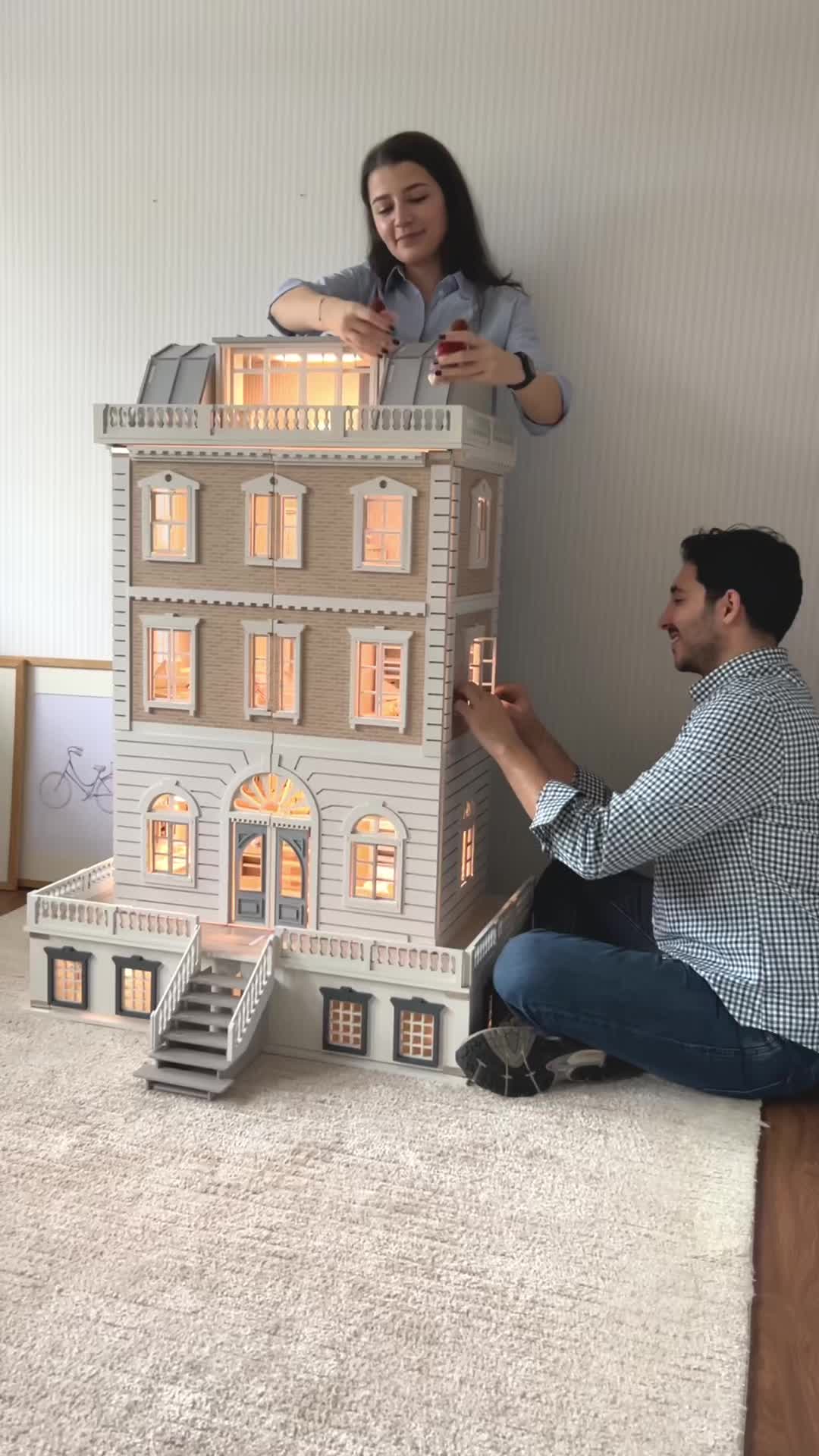
Creating a dollhouse is no small task. Hayley from Northamptonshire spent nearly two years working on a single room in her miniature home. Her dedication paid off, resulting in a detailed replica of a Georgian home complete with portraits, turquoise wallpaper, and a fireplace. Others opt for more modern designs, such as a New York townhouse style, reflecting personal tastes and aspirations.
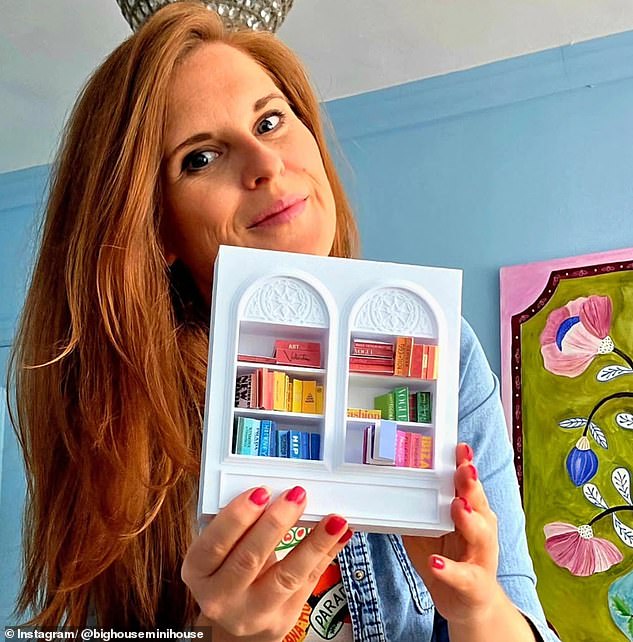
The cost of this hobby can be quite high, with miniature furnishings often ranging from £50 for sofas to hundreds for the houses themselves. Despite the expense, many enthusiasts find it rewarding, both financially and emotionally. Lianne Kilroy, who is renovating her 1930s home and creating a dollhouse replica, has found success selling miniature furniture on Etsy, with items ranging from £1.19 to £44.99 and over 7,000 sales.
The Broader Impact
Beyond the personal satisfaction, dollhouses offer cognitive benefits that extend to all age groups. Macleod emphasizes that activities that slow the mind down are essential in today’s fast-paced, digitally driven world. Engaging in hobbies like dollhouses can enhance emotional intelligence, self-awareness, and cognitive flexibility.
For older adults, especially those at risk of cognitive decline, these activities can be particularly beneficial. They stimulate the brain, keep it active, and improve its ability to adapt and solve problems. Additionally, they engage reward pathways in the brain, providing a sense of completion, motivation, and joy.
Conclusion
The resurgence of adult dollhouse enthusiasts reflects a deeper need for connection, creativity, and mental well-being. Whether it’s through the meticulous crafting of a miniature room or the joy of imagining a different life, dollhouses offer a unique way to explore and express oneself. As the trend continues to grow, it’s clear that these tiny worlds have a big impact on the lives of those who create them.