The Mystery of Anne Boleyn’s Appearance
Anne Boleyn, one of the most famous royal spouses in history, was never captured in a photograph during her lifetime. As the second wife of Henry VIII, she has been the subject of intense debate and speculation, particularly regarding her physical appearance. However, recent advancements in technology have brought new insights into this long-standing mystery.
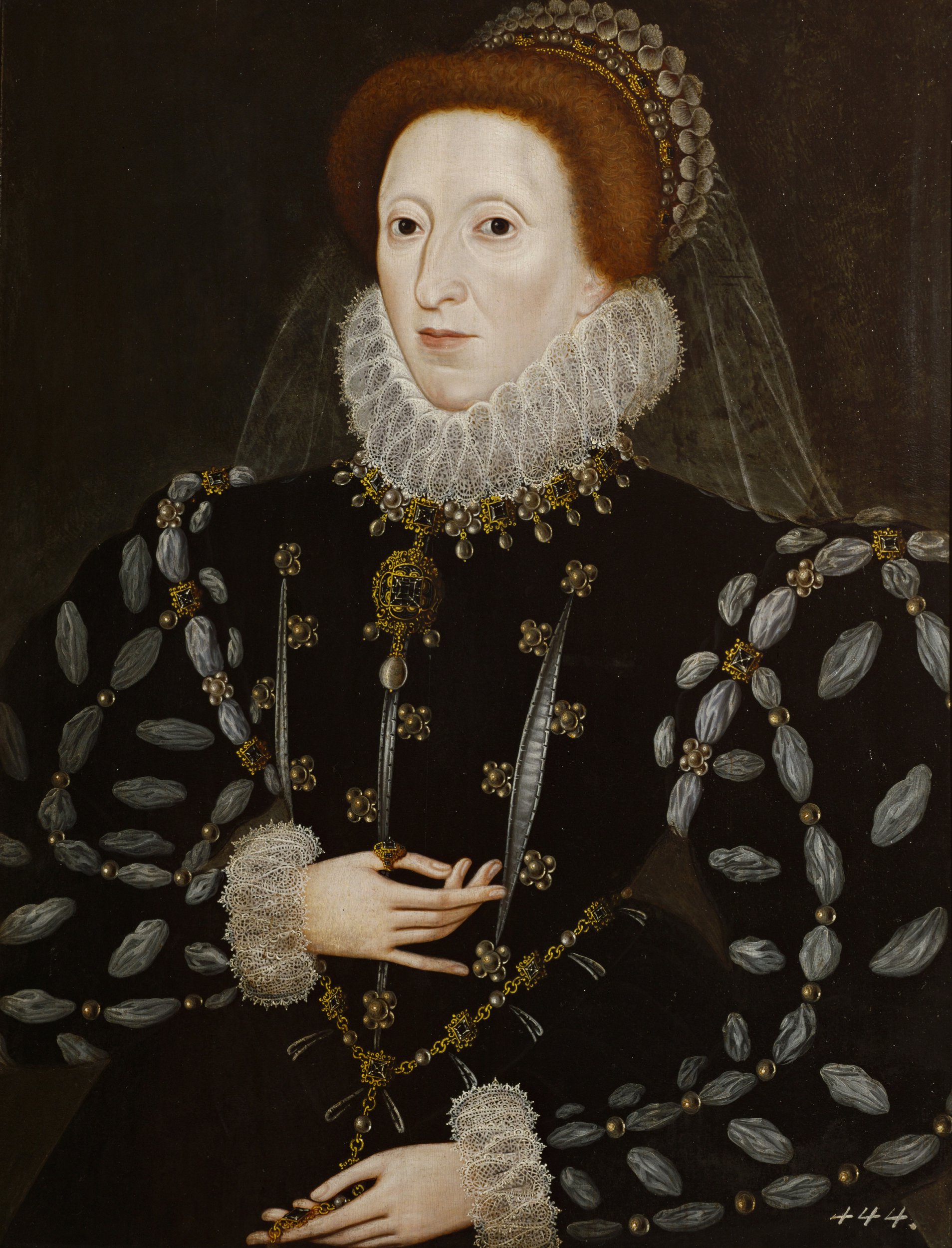
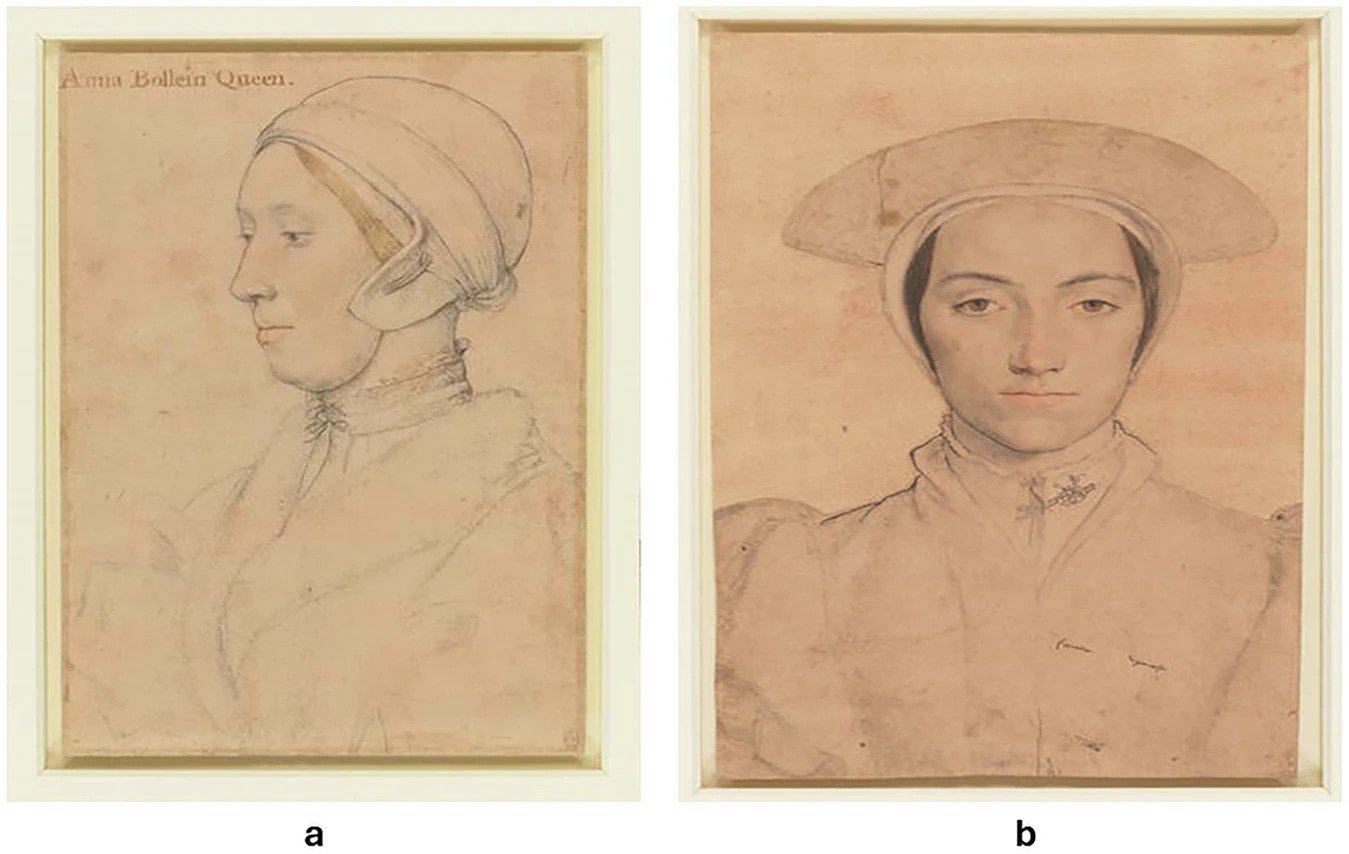
Computer scientists have now used facial recognition technology to link a sketch of an unknown woman to Anne Boleyn. This development has sparked renewed interest in understanding what she might have looked like, as our current knowledge is based on posthumous paintings and drawings.
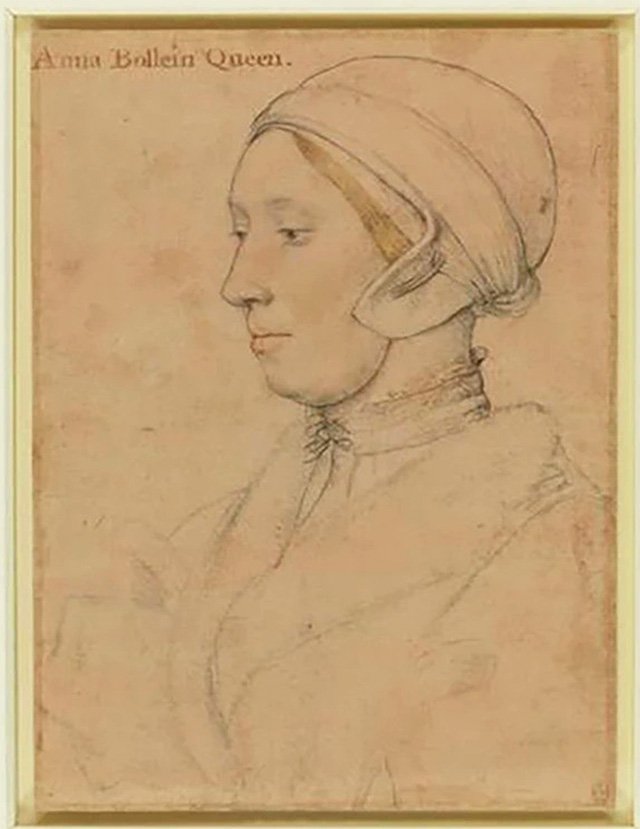
One of the most notable pieces is a sketch by Hans Holbein the Younger, which is part of a collection held in Windsor by the Royal Collection Trust. While many scholars believe it is an accurate representation of Henry VIII’s second wife, some researchers from the University of Bradford suggest that it could actually be her mother, Elizabeth née Howard.
Facial Recognition and New Discoveries
Professor Hassan Ugail, an expert in visual computing, led the research team that used a computer algorithm to compare a series of drawings, including those of Boleyn’s first cousins and her daughter, Elizabeth I. The cutting-edge technology was employed to identify familiar similarities between the sketches.
This method proved surprising when it appeared to match an unidentified sketch with Anne Boleyn. Lead author Karen Davies, who had a childhood fascination with Boleyn, initially doubted the authenticity of the Holbein sketch. She pointed out discrepancies between the artwork and descriptions of Boleyn, as well as the fact that the name was etched in an 18th-century hand—several hundred years after Boleyn’s execution.
Controversy and Criticism
Despite these findings, not everyone agrees with the methodology. Some experts have questioned how such technology can be used to identify drawings, which are the work of artists who often aimed to create flattering depictions of their subjects, especially royals.
Historian Dr Bendor Grosvenor dismissed the research as “a load of old phooey.” He argued that the Holbein sketch was genuinely of Boleyn, citing that it had been identified by someone who knew her. He also noted that her informal dress was of a type typically worn only by the aristocracy.
Dr Charlotte Bolland, a senior curator for the 16th century collections at the National Portrait Gallery, highlighted that there is no single work that serves as a “lifetime reference point” for Boleyn. She mentioned that Boleyn was estimated to be in her late 20s or early 30s when she was executed.
The Enduring Fascination
The mystery surrounding Boleyn’s appearance and life story continues to drive intrigue and research. Dr Bolland emphasized that the incredible emotional tragedy of her life is a story that people want to revisit.
Ongoing Debate and Future Research
The debate over Boleyn’s likeness is far from settled. While technological advancements offer new possibilities, they also raise questions about the reliability of such methods in historical analysis. The use of facial recognition technology in identifying historical figures remains a contentious topic among historians and scientists alike.
As research continues, it is clear that Anne Boleyn’s legacy will remain a source of fascination for generations to come. Whether through art, literature, or scientific inquiry, her story continues to captivate and inspire.