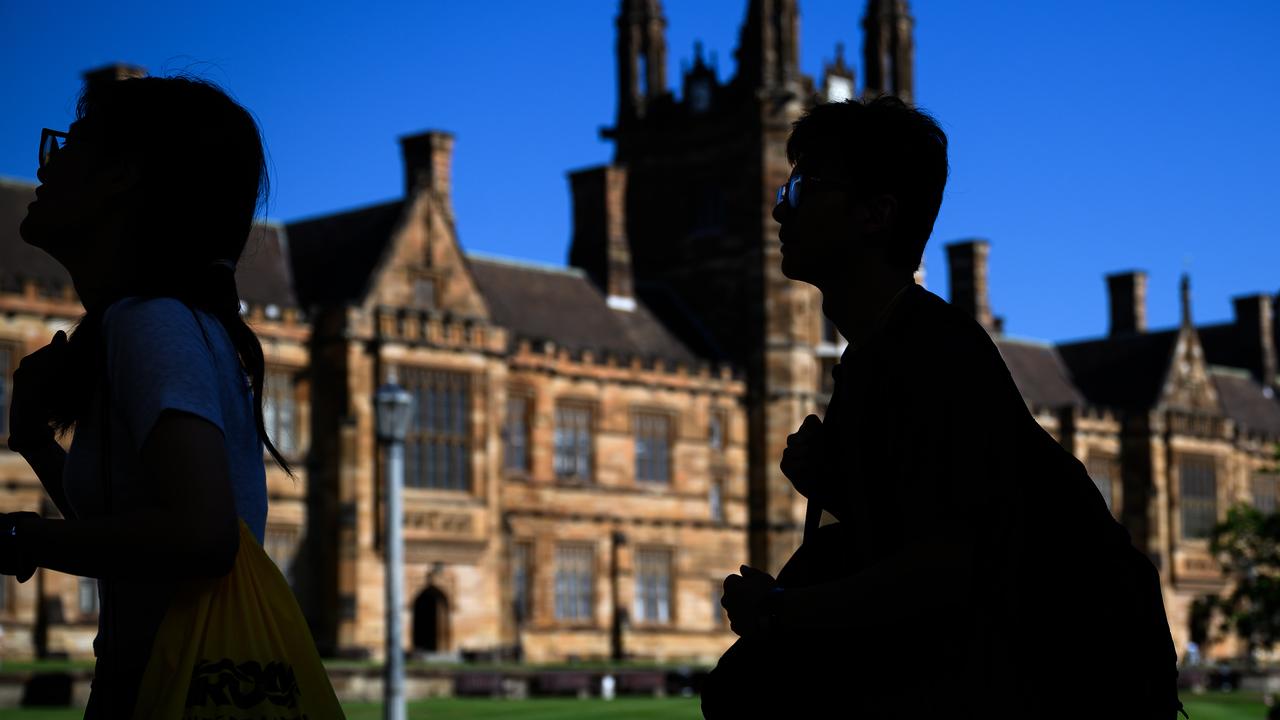
A Growing Crisis in University Funding and Student Debt
The current fee structure for university education in Australia is causing significant concerns among sector leaders, who describe it as a “failed” system that has priced students out of higher education. The Job-Ready Graduates scheme, introduced by the previous Scott Morrison-led coalition government in 2021, was designed to encourage students to pursue in-demand careers by increasing fees for arts degrees above $50,000 while reducing costs for science and mathematics courses.
However, the reforms have not achieved their intended purpose. Instead, they have led to a reduction in Commonwealth funding and left many students with higher debt levels. According to Luke Sheehy, chief executive of Universities Australia, the scheme has been a “universal failure.”
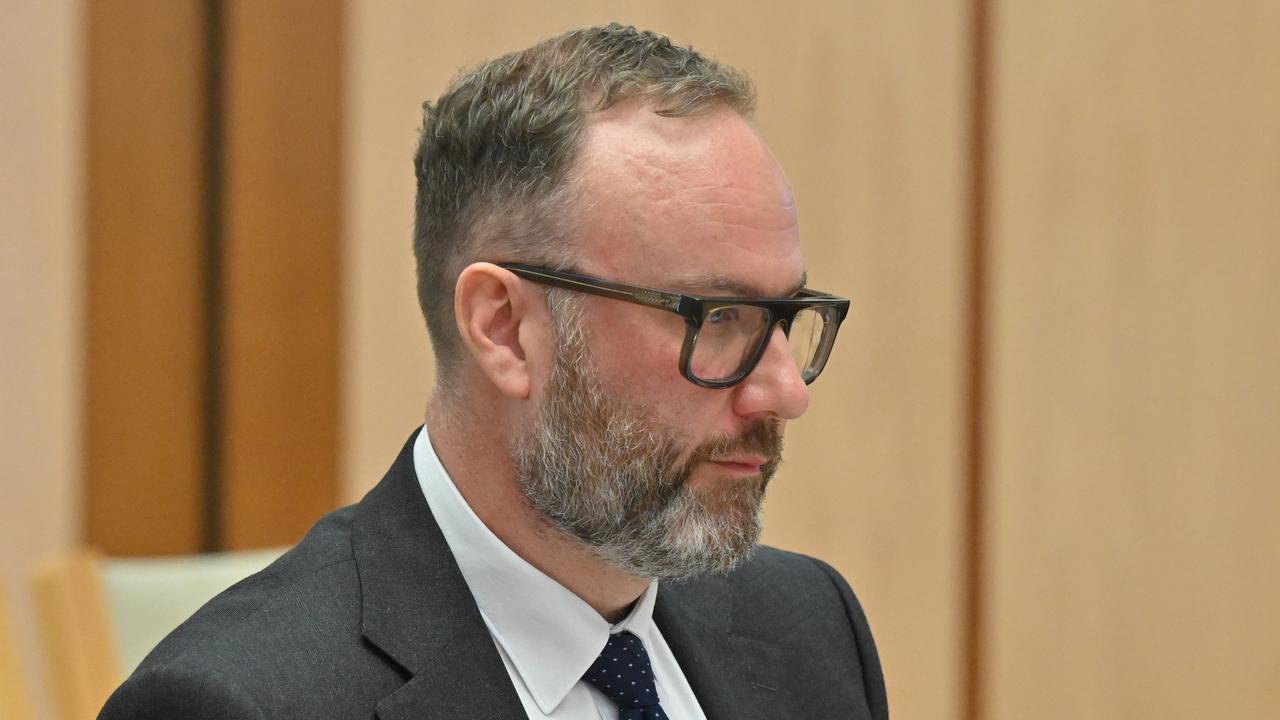
Sheehy highlighted that the government has not acted on the recommendations from the University Accord, which was released in early 2024. This report called for an overhaul of the fee structure to address rising student contributions and funding cuts. He emphasized that two federal elections have passed since the scheme was introduced, yet no action has been taken.
“Our message, I think, collectively, today, is, let’s get on with it,” Sheehy said during a parliamentary inquiry in Canberra.
Several witnesses, including Sheehy, were called to discuss a bill introduced by the Greens aimed at reversing the scheme and bringing the cost of arts degrees back under $25,000. While Sheehy welcomed the bill’s intentions, he warned that without increased university funding, the proposed legislation could worsen the situation.
“(The scheme) needs to be fixed, and it needs to be fixed now,” he said. “Let’s be clear, though, about what this bill does: it cuts students’ fees on one hand and quietly cuts funding on the other.”

Without additional Commonwealth investment, the bill would strip a further $1.3 billion from the university system each year, according to Sheehy. This is in addition to the roughly $4 billion that Universities Australia estimates the scheme has already pulled from the sector since 2021.
“That is not reform,” Sheehy said. “That is cost-shifting.”
Disadvantaged students have been particularly affected by the scheme. Paul Harris, executive director of Innovative Research Universities, told the inquiry that new university enrolments for students from low socio-economic backgrounds fell by 10 per cent from 2020 to 2024. He noted that the decline is more pronounced in courses with the highest fees under the JRG policy.
“We believe that pricing some students out of certain degrees at the point of entry is fundamentally unfair,” Harris said.

The National Tertiary Education Union, which represents university employees, has also expressed support for repealing the scheme. However, they have raised concerns that the bill, if implemented in isolation, could further reduce funding per student, leading to more staff cuts.
Education Minister Jason Clare has openly criticized the Job-Ready Graduates scheme, calling it a failure. Despite this, the federal government has yet to announce a new funding model since the Universities Accord recommended an overhaul.
The government is currently waiting for advice from the newly formed Australian Tertiary Education Commission on a new funding structure that better reflects the true costs of teaching and learning at universities.
“There’s a lot to do,” Clare said. “It’s like eating an elephant. You have to do it one bite at a time.”