The Push to Restrict Sugary Foods in Hospitals
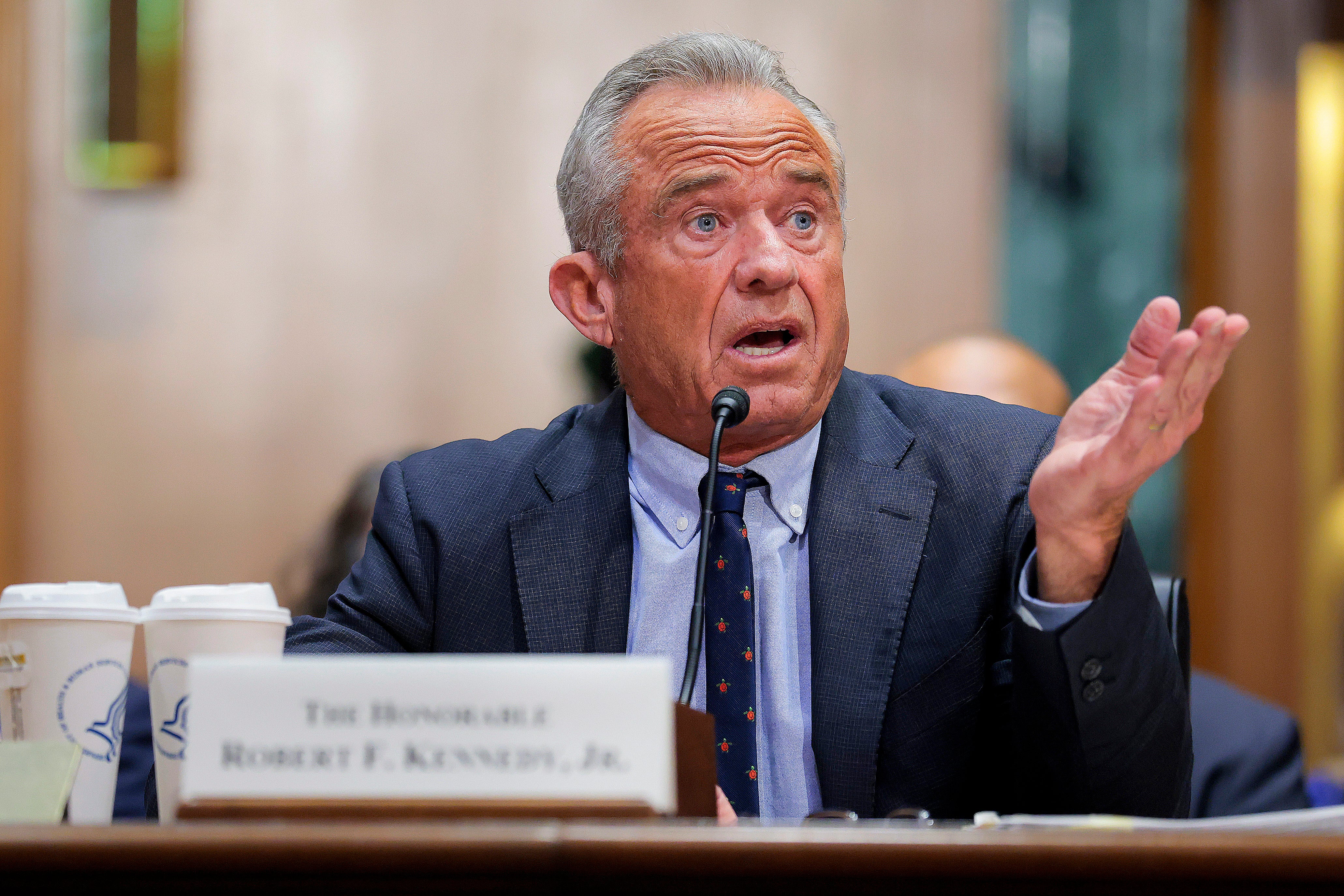
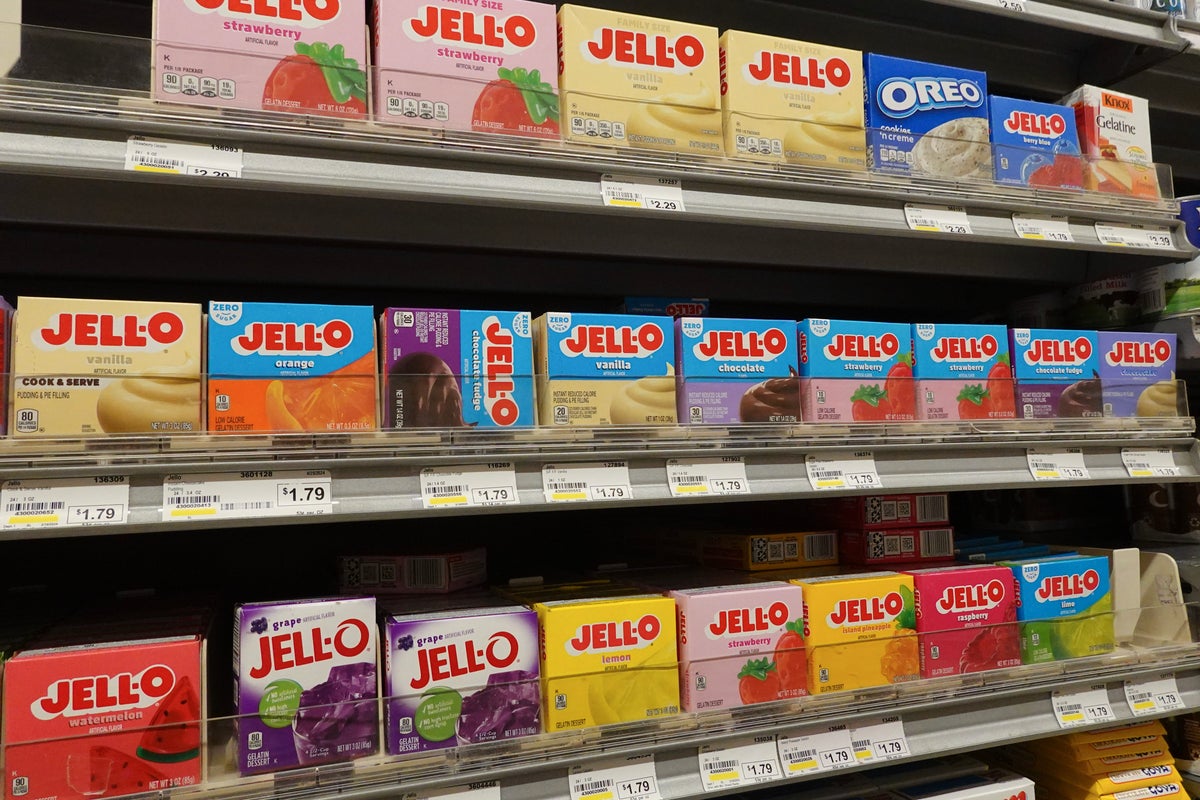
Health and Human Services Secretary Robert F. Kennedy Jr. is spearheading a campaign to prevent hospitals from offering sugary drinks and foods, including Jell-O. This initiative has sparked significant debate among healthcare professionals and the public.
The Department of Health and Human Services (HHS) issued a memo to hospitals on March 30, urging them to align with the Department of Agriculture’s new 2025-2030 dietary guidelines. These guidelines emphasize reducing the consumption of sugary and ultra-processed foods. According to Kennedy, hospitals must align their food purchases with these guidelines to maintain eligibility for Medicaid and Medicare payments.
“We shouldn’t be giving … people who are sick Jell-O and Cheerios and rubber chicken and sugar drinks,” Kennedy stated at a press conference last month. His comments have raised concerns about the practicality of enforcing such restrictions.
Federal Funding and Enforcement Challenges
Experts have questioned how this policy can be effectively enforced. A KFF Health News report published via CBS News revealed that officials have threatened to withhold millions in federal funding from healthcare facilities that fail to comply. However, many believe this is more of a political move than a practical solution.
Kevin Klatt, a dietitian and research scientist, told the outlet: “Most of this is political theater. HHS doesn’t have the power to do much.” This sentiment highlights the skepticism surrounding the feasibility of the policy.
When contacted for comment, an HHS spokesperson named Andrew Nixon provided a statement to The Independent. He mentioned that on March 30th, CMS released a Conditions of Participation update to ensure hospital food adheres to dietary guidelines. Nixon added, “Ninety percent of healthcare expenditures are on chronic disease, and all stakeholders agree we should be serving patients suffering from these conditions’ healthy food.”
Public Reporting and Controversy
Calley Means, one of Kennedy’s top advisers, recently asked the public to report hospitals that serve sugary drinks. His social media post included a link to the Centers for Medicare and Medicaid Services website, where users can submit complaints about healthcare facilities.
“If a hospital is serving patients sugary drinks, they are out of compliance with government standards and are putting their reimbursements in jeopardy,” Means wrote on April 1. “If you see patients being served sugary drinks, please post information below or let CMS know.”
When KFF Health News contacted Means, he directed the outlet to another X post he shared on April 17. In it, he wrote: “It is very sad that Trump Derangement Syndrome is leading Democrats to defend the medical importance of mass serving soda and junk food to American patients – 94 percent of whom have signs of metabolic dysfunction.”
The Broader Implications
This debate raises important questions about the role of government in healthcare and the balance between public health and individual choice. While the intention to improve patient care is clear, the methods and enforcement remain contentious.
The push to limit sugary foods in hospitals reflects a broader conversation about nutrition and health. It also underscores the challenges of implementing large-scale policy changes in a complex system like healthcare.
As the discussion continues, it remains to be seen how this initiative will impact hospitals, patients, and the broader healthcare landscape.