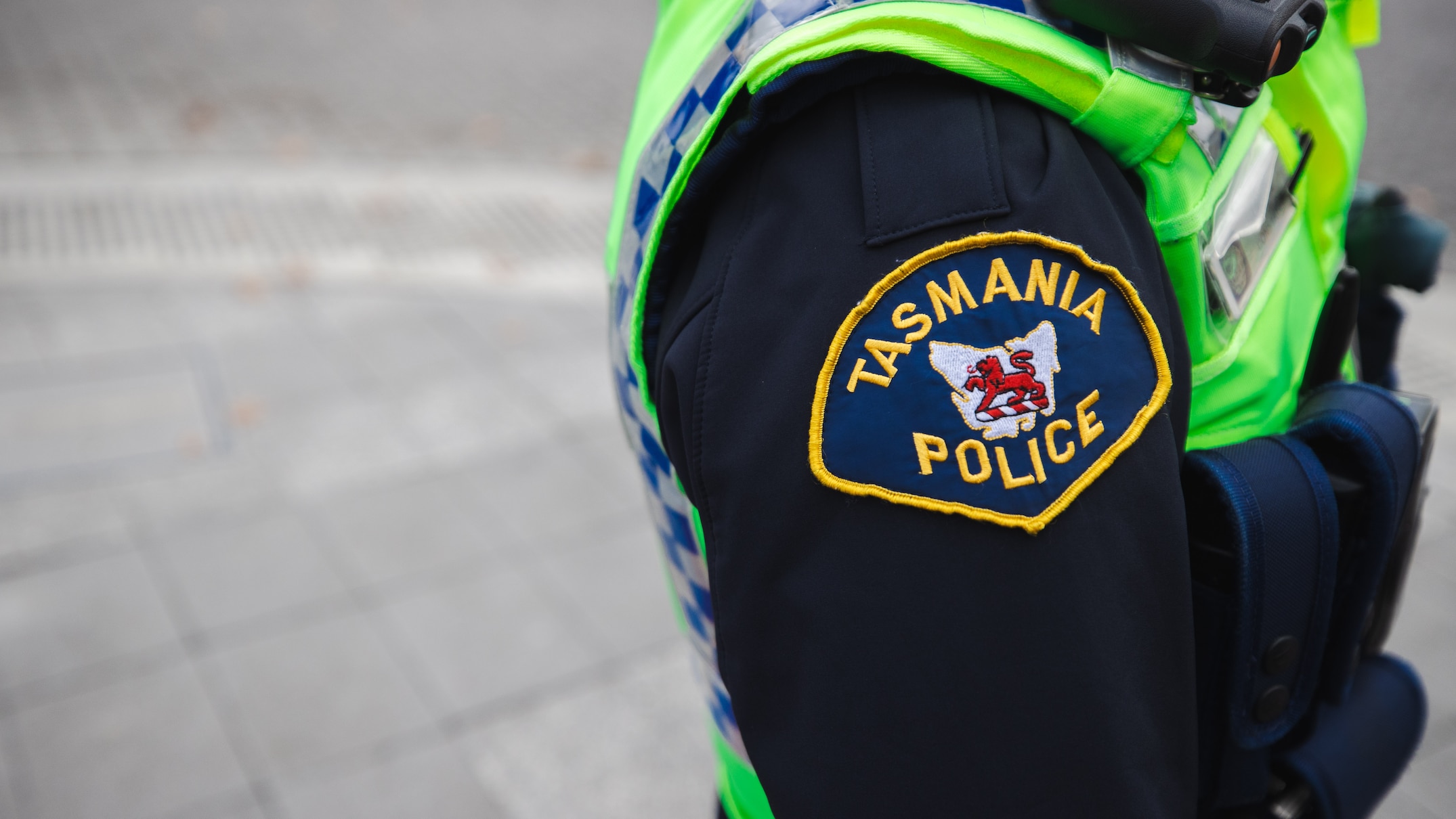
Rising Mental Health Claims Among Tasmanian Police Officers
More than 100 Tasmanian police officers are currently off duty due to mental health compensation claims, a figure that has doubled over the past five years. As of February 28, 2026, there were 146 open mental health claims for police officers, with 102 of them entirely off work. This situation highlights a growing concern within the Tasmanian police force and across the country.
In 2021, the Police Association of Tasmania reported that 49 officers were off work due to psychological injuries. With approximately 1,450 active police officers in the state, the increasing number of mental health claims is raising alarms among both officers and their representatives.
Shane Tilley, president of the Police Association of Tasmania since 2023, noted that the number of officers on mental health claims has increased by 7 per cent during his tenure. He expressed concern about the impact this has on the remaining workforce, stating that it places additional pressure on those still on duty. Tilley also emphasized the need for support for officers who are unwell and require assistance.
He pointed out that this issue is not unique to Tasmania but is being faced by police forces across all states and territories. “Nationally, we need to do something about it,” he said. “It’s about trying to retain and recruit people and keep them in the job and not break them.”
Research on Police Mental Health
Alan Beckley, an honorary professor at the University of Technology Sydney and a former UK police officer, has conducted extensive research into the mental health of police officers. He said he was not surprised by the Tasmanian statistics. “You can’t tackle it very simply; it’s got to come from the top all the way down to the bottom, and almost people have got to be retrained to deal with it,” Dr Beckley said.
His latest paper examined rates of post-traumatic stress disorder (PTSD) in Australia, New Zealand, and the UK. It found that factors such as increased distress levels, poor sleep quality, hazardous drinking patterns, exposure to trauma, and specific work conditions are significantly associated with heightened PTSD risk.
In 2023, a Tasmanian coroner investigated the suicides of four police officers and recommended that Tasmania Police conduct mandatory six-monthly wellbeing screening for PTSD. However, the ABC revealed that these checks are not currently being conducted.
Dr Beckley argued that such a program would be beneficial. “It needs to be wholly incorporated into the processes, and it can’t be optional; it must be mandatory,” he said.
Support Systems in Place
Mr Tilley acknowledged that more funding is required to implement these measures. “The community, in my view, would fully support six-to-12-month welfare checks on members; it takes strong people to have the conversation and to convince people like those that sit in Treasury that this is a great idea,” he said.
Tasmania Police has other measures in place, such as a Wellbeing Support unit, which conducts checks for officers working in high-exposure areas like Crash Investigations, Forensics, and the Coroner’s Office. The workers’ compensation team was incorporated into the unit in 2022 to align person-centric models with workers’ compensation practices.
Another form of support is the Critical Incident Stress Management Program, which is automatically put in place for all individuals involved in critical incidents. There are also over 80 psychologists and allied health professionals contracted to provide services to police officers.
“Continued investment into staff wellbeing initiatives has led to more, not less, staff feeling comfortable to overcome stigma and request help,” a spokesperson for Tasmania Police said.
Improvements and Ongoing Challenges
Mr Tilley believes Tasmania’s welfare and support system is one of the best in the country. “I actually engage with them for quite a period of time; I was going through a little bit of a dark time… I’ve been an advocate for it since because it brought me back into the right headspace,” he said.
However, he admitted that some officers may still be falling through the cracks. “It’s difficult to know… everyone’s journey is different. When you have a workforce that is stressed through vacancies, through workers’ compensation, illnesses and all the rest of it, the workload doesn’t disappear, it’s just the worker that disappears for one reason or another,” Mr Tilley said.
Impact of Compensation Changes
In 2019, workers’ compensation laws in Tasmania were amended to automatically presume that PTSD is work-related for the purposes of a claim. This change also exempted police officers from a decrease in weekly benefit payments after set periods of time.
Mr Tilley believes this has encouraged officers to feel more comfortable filing claims. “There is a really, really good argument that police officers generally hid a lot of their sickness and a lot of their demons,” he said. “My personal view is that I think that police in general were more prepared to put their hand up and say, ‘Hey, I’m not well, I need some help and use those services,’ and also knew that they weren’t going to lose salary by doing that.”
A spokesperson for Tasmania Police noted that one outcome of making support more accessible has been an increase in the number of compensation claims. In 2024-2025, the Department of Police, Fire and Emergency Management (DPFEM) saw 229 insurance claims, resulting in a gross incurred cost of $13,757,293.
| Year | Insurance Claims | Gross Incurred Cost |
|---|---|---|
| 2022-23 | 198 | $11.24m |
| 2023-24 | 220 | $10.77m |
| 2024-25 | 229 | $13.75m |
In the 2025-26 Revised Estimates Report, an additional $60 million was allocated for the DPFEM to meet workers’ compensation premiums. “We spend millions of dollars a year separating members from emergency services, police services, because they’re unwell,” Mr Tilley said. “Let’s work on bringing that back so that some of that money can be used to do well-being checks on our members.”