
Pilates: A Wellness Revolution
Pilates has evolved from being a quiet studio favourite to a full-blown wellness obsession. But if you’ve ever stepped into a class and wondered whether you should be on a mat or a reformer, you’re not alone (myself included). With International Pilates Day landing on May 2, there’s no better time to figure out which one suits you best!
Both forms of Pilates promise a stronger core, better posture, and a range of physical and mental health benefits. However, the experience is completely different. One relies on your own bodyweight and control (harder than it sounds), while the other adds springs, resistance, and a machine that does half the guiding for you. And if we’re being completely honest with each other, who doesn’t love a little extra support and stability?
So, which one actually deserves your time and money? And more importantly, which one works better for your body?
As New Idea’s health editor, I took it upon myself to find the answer! (Several classes later…) But before that, here is the biggest takeaway I’ve had.
Pilates is Having a Major ‘Rebrand’ Moment
Pilates is no longer just about getting ‘toned’. Across Australia, studios are embracing more holistic, flexible formats that prioritise how you feel, and not just how you should show up. In Melbourne (and occasionally elsewhere), Soluna Society is blending Pilates with yoga, breathwork, cardio and meditation in a 50-minute nervous system reset on a mat – the first of its kind ever in Australia! Meanwhile, KX Pilates is moving beyond their level-based classes and shifting into something new. While options remain, CEO Selina Bridge says the focus is now on adaptable sessions that respond to how clients show up each day.
“Our shift to a signature all-levels class allows KX trainers to personalise in the moment,” she adds, “Movement should meet people exactly where they are.” It’s a shift towards fitness that adapts to you – not the other way around. And honestly? I am so here for it!
Reformer Pilates: Better for Beginners (and All Levels)
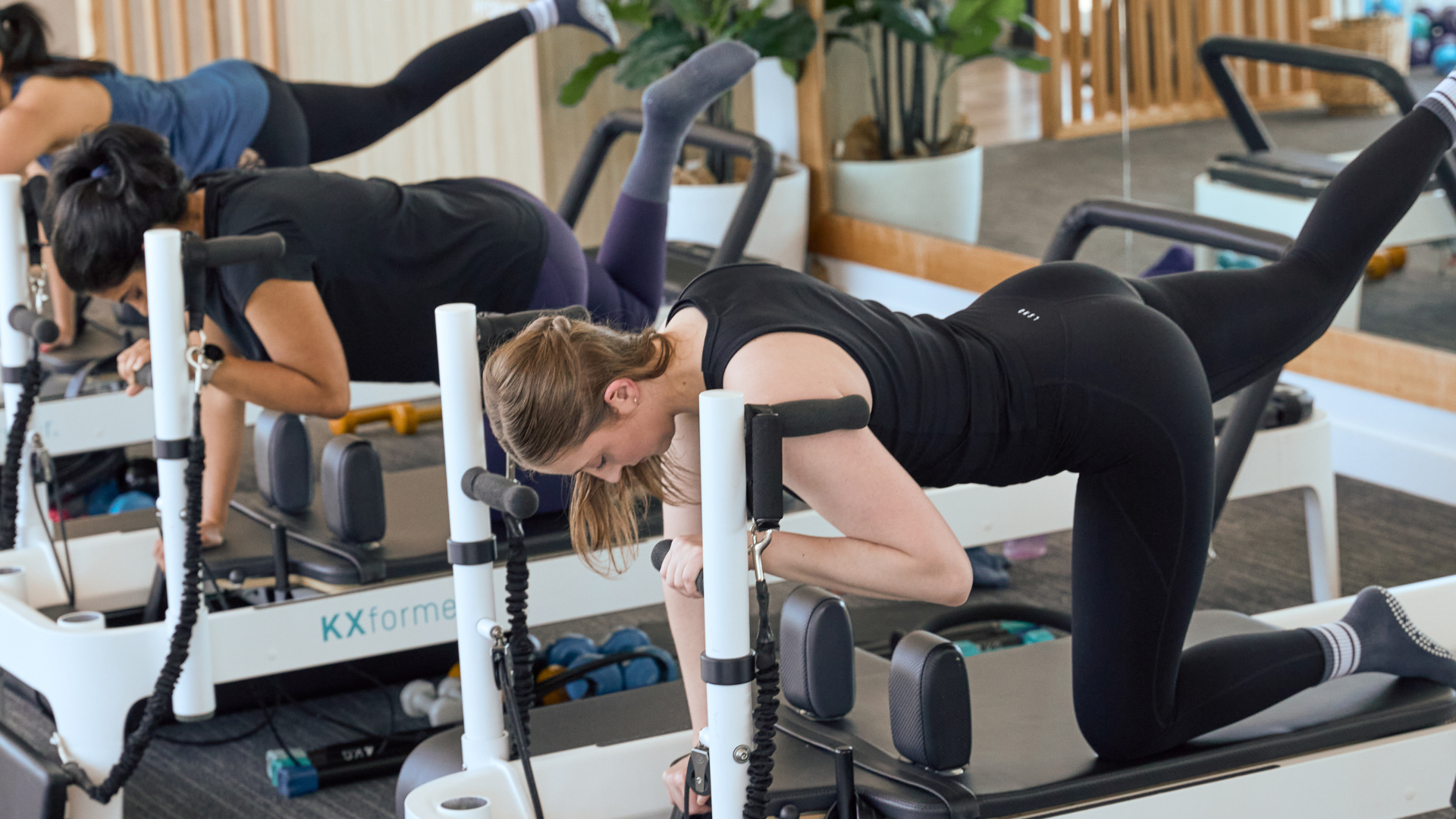
Reformer Pilates uses a sliding carriage machine with springs that add resistance (or assistance) to movements. It allows for a wider range of exercises and often feels more dynamic than mat work. The benefits tend to include:
- Targeted muscle strengthening
- Greater resistance for faster muscle fatigue
- Support for alignment and controlled movement
- Easier modifications for injury recovery or beginners
Because the machine guides your movement, many people find reformer Pilates more accessible at the start – especially if you’re still developing your core strength or stability.
Mat Pilates: Better for Intermediate and Advanced (or Brave, Able Beginners)
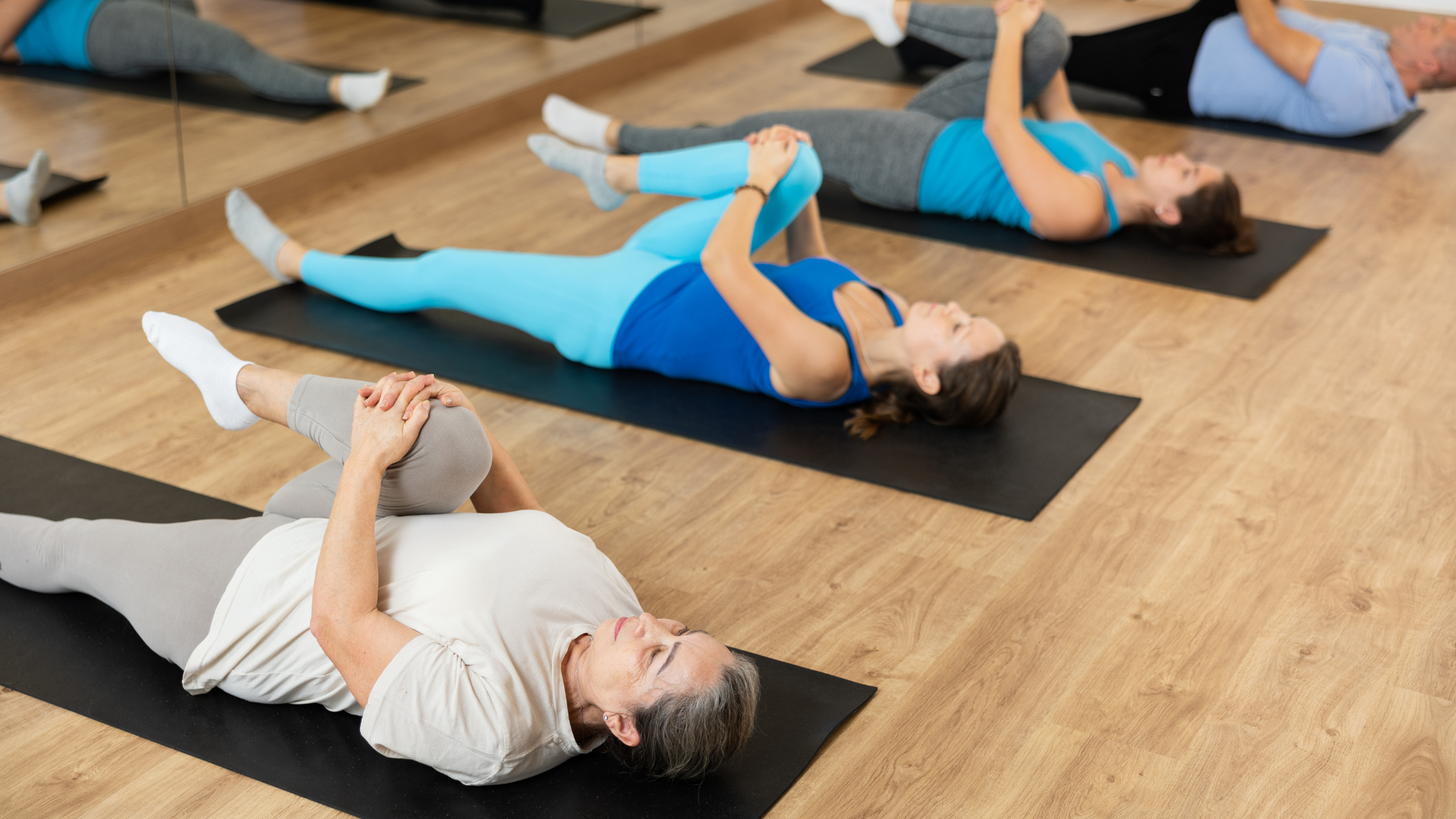
Mat Pilates is the original form of the practice first created by Joseph Pilates in the 1920s. It’s also the most accessible type of Pilates, since it can be done nearly everywhere (even the bedroom if you’ve got the space). Done on a mat using just your bodyweight (and sometimes small props like resistance bands, weights or balls to add more of a challenge over time), it focuses on control, alignment, and core strength.
Because there’s no machine support, your body has to do all the stabilising work. That means:
- Deep core engagement
- Improved body awareness
- Better posture control
- Strong focus on technique and breath
It can look simple, but don’t be fooled! Mat Pilates often exposes weaknesses faster because there’s nowhere to hide. It’s you, gravity, and your own control – which is harder than you’d think.
Which One Is Better for Beginners?
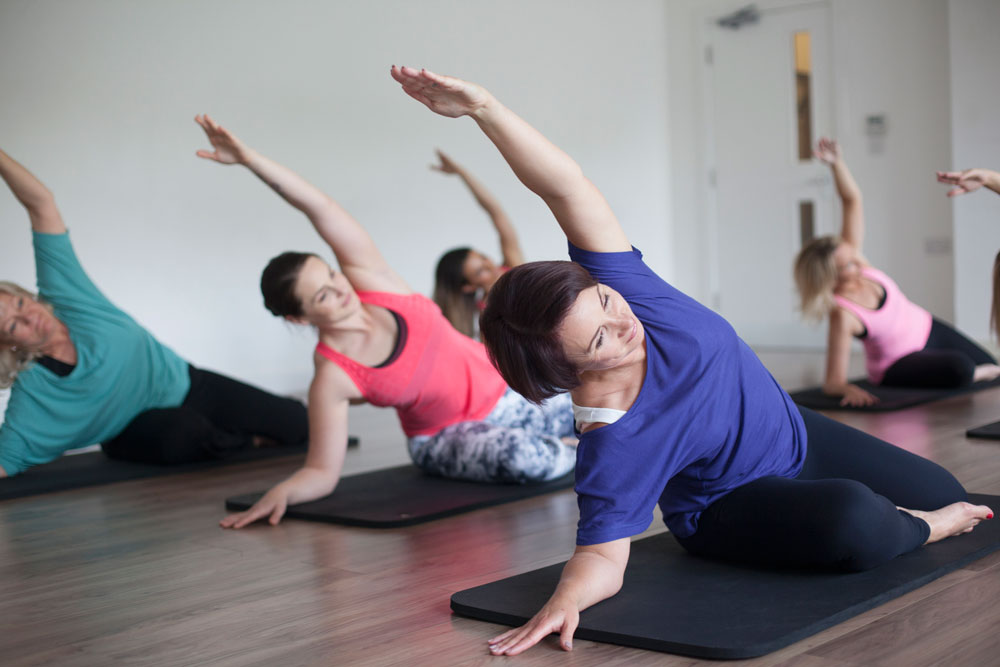
There’s no strict rule here, but many beginners gravitate toward reformer in the start simply because the machine provides feedback and support that feels reassuring. Mat Pilates tends to suit intermediate and advanced levels better simply because it strips everything back, and that’s where the real challenge can lie. With no machine to support or guide you, your body has to do all the work, which means your deep core, stabilisers, and smaller muscle groups are constantly switched on to keep you balanced and controlled.
There’s no relying on springs or momentum, so if your form is off, you’ll feel it straight away.
Which One Is Better for Toning?
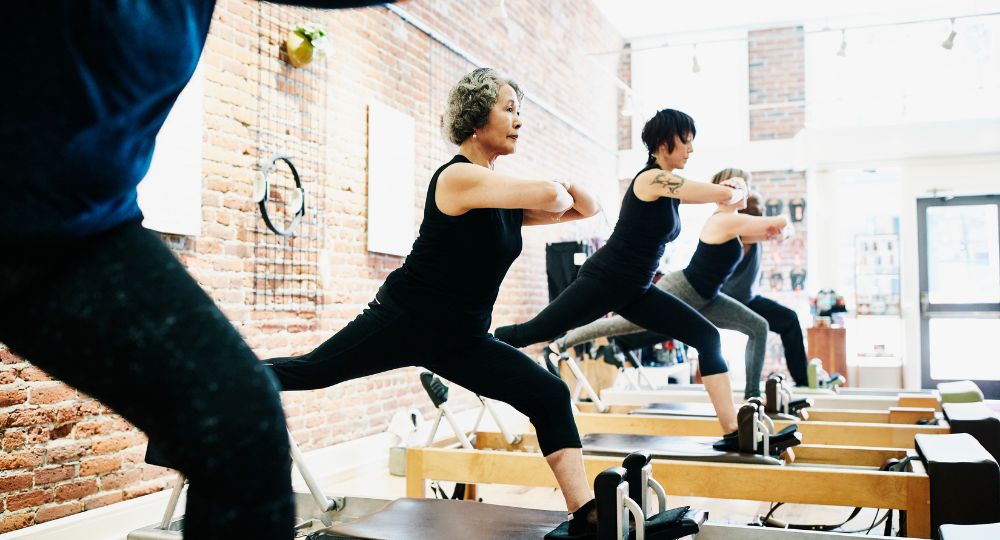
Reformer Pilates is often marketed as the ‘toning’ option, largely because the resistance can intensify muscle engagement. But mat Pilates builds strength in a slower, more foundational way – particularly through stabilising muscles you don’t always feel working. In reality, both build strength, but the difference is how that strength is developed.
How to Strengthen Your Core with Pilates
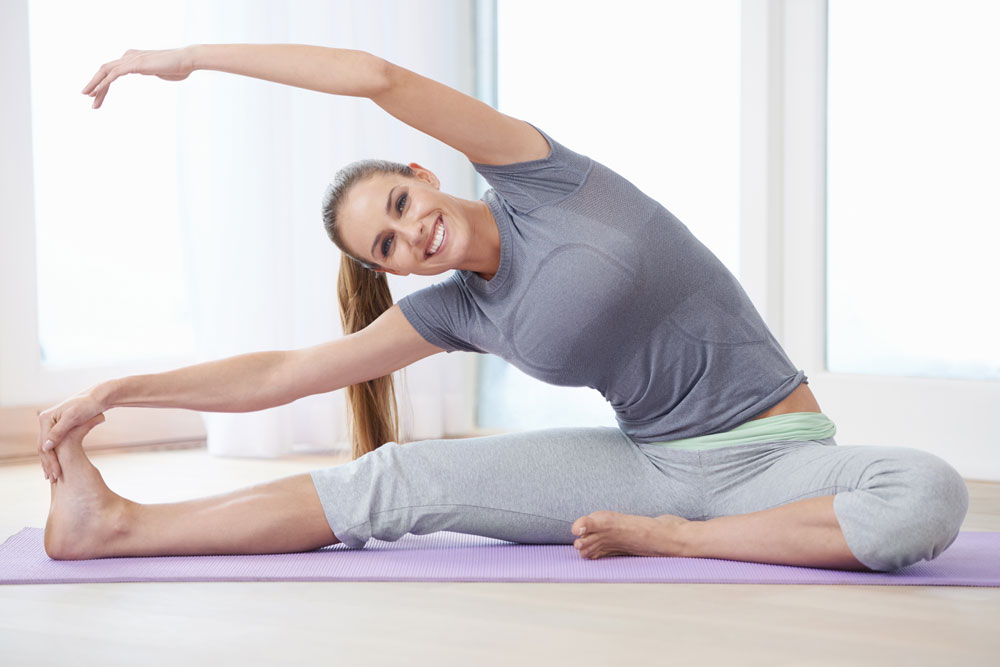
Which Workout Is Better: Pilates or Barre?
Three Pilates Exercises to Work Your Core
Which One Is Better for Injury, Stress, or PCOS-Friendly Movement?
When it comes to stress regulation – something we ALL need – and a calmer nervous system, both forms of Pilates can be incredibly effective. In fact, a recent study found that Pilates can actually support your mental wellbeing by helping you manage stress, anxiety, and reduce low moods. Both mat and reformer Pilates are also beneficial for managing Polycystic Ovary Syndrome (PCOS), by lowering your cortisol (stress) levels, supporting weight management, and improving your insulin resistance. Together, these changes can indirectly help regulate your menstrual cycle.
For injuries, reformer Pilates would be the ideal choice if possible – especially in rehab settings because it reduces strain while maintaining resistance.
When Is International Pilates Day?
International Pilates Day is celebrated on the first Saturday of May each year. In 2026, it falls on May 2.