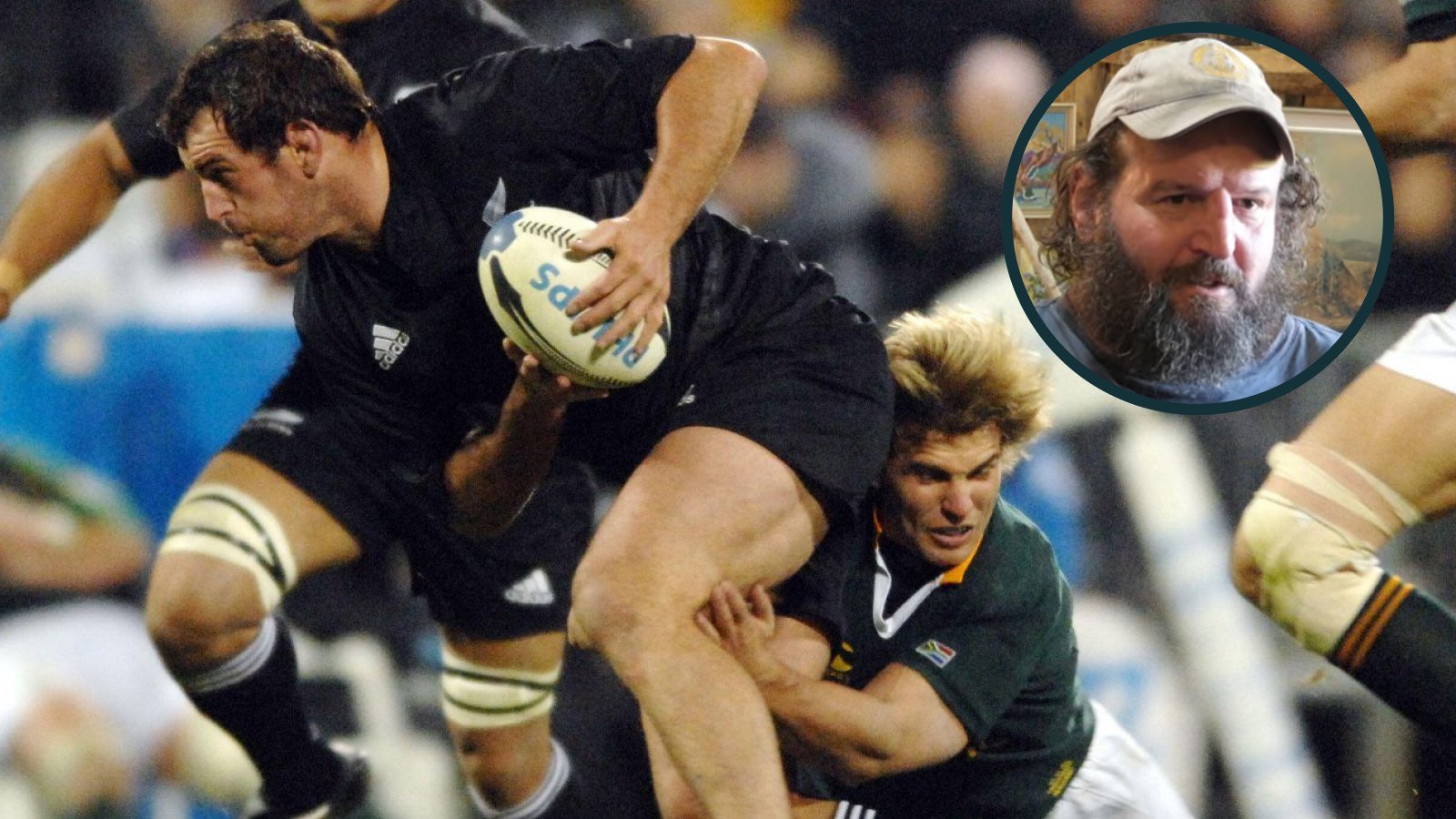
The Journey of Carl Hayman: From Rugby Star to Concussion Lawsuit Advocate
Carl Hayman, a legendary All Blacks tighthead prop, has taken a bold step by joining a major concussion lawsuit against rugby union’s governing bodies. With over 1,100 former professional and amateur rugby players, including notable names like Steve Thompson, Mark Regan, and Phil Vickery from the 2003 England Rugby World Cup team, as well as Welsh stars such as Gavin Henson and Alix Popham, the class action lawsuit is making waves. This legal battle targets World Rugby, the RFU, and the WRU, with claims that these organizations failed to protect players from developing neurological conditions later in life.
Hayman, who played 46 Tests for the All Blacks between 2001 and 2007, and represented clubs like the Highlanders, Newcastle, and Toulon, faced significant health challenges after his playing career. He experienced symptoms such as insomnia, headaches, and emotional fluctuations, which he found difficult to manage in New Zealand.
A Life Changed by Health Struggles
After suffering from these symptoms, Hayman sought help but found little support. A mutual friend introduced him to Alix Popham, who shared similar experiences. Their conversation revealed striking similarities in their symptoms, prompting Hayman to seek further assistance.
“I didn’t really know what Alex had gone through at that stage,” Hayman recalled. “And we were just having a chat, and it was almost like a copy and paste what Alex was saying. ‘Exactly what’s been going on with me.’”
At the time, Hayman was struggling with sleep and was often up at night riding his bike. He described feeling like he was losing his grip on reality, experiencing dizziness and lightheadedness. Despite his efforts, he found no relief in New Zealand, even when suggesting to his doctor that he be referred to a specialist through the Accident Compensation Corporation (ACC).
A New Beginning in the UK
Popham suggested that Hayman travel to the United Kingdom in 2021, where he eventually received a diagnosis after undergoing extensive testing. “I just wanted to know what was going on,” he said. “Alix said to me, ‘There’s medical professionals over here who’d be willing to see you.’ And I just wanted to know what was going on.”
Hayman made the decision to go to the UK, timing it with a visit to his partner’s family in Hereford. There, he underwent psychometric testing and a brain scan. “I just explained what had been going on. And then with a brain scan and then I sort of left it for a while and they said, ‘Oh, you know, we need to go away and digest a lot of this.’”
Diagnosis and Legal Action
The 46-year-old was eventually diagnosed with early-onset dementia and probable Chronic Traumatic Encephalopathy (CTE). This diagnosis led Hayman to join the lawsuit against the game’s governing bodies. “The first part of it was I wanted to know what was wrong with me,” he explained. “And I couldn’t do that in New Zealand. There was no way that, and I tried numerous times to go through the avenues in New Zealand.”
Joining the lawsuit came with a choice: he could remain anonymous or come forward publicly. “I think for the other players, like I had two choices really, when I joined this (the lawsuit), I could’ve joined it as an anonymous participant, that I wouldn’t be involved in any press but then the more I thought about, I was like, ‘Well, I’ve actually got a duty to other rugby players that by putting myself out there, that things will be put in place to make them safer.’”
A Call for Change
Hayman hopes that by coming forward, he can help ensure that future generations of players are safer. “So hopefully, another generation of players that they’ll be safer. So, they won’t be chucked back out in the field after getting knocked out. They won’t have to play 30 plus games a year (and) that there’s some robust monitoring around there. You know, the amount of contacts these guys are getting in the season and in the end, there’s support for them.”
His story highlights the importance of awareness and support for athletes dealing with the long-term effects of head injuries. As the legal battle continues, Hayman’s journey serves as a powerful reminder of the need for change in how sports organizations handle player health and safety.