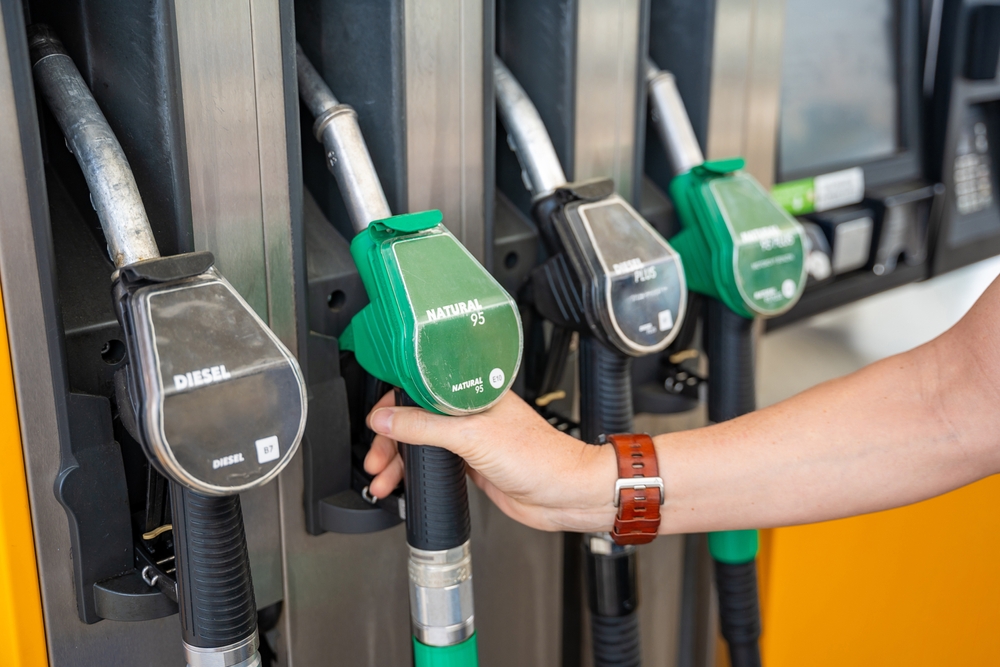
Gas stations are commonly found near residential areas, but the process of pumping gasoline into storage tanks can release harmful substances into the air. These emissions pose potential health risks, especially for vulnerable populations such as children.
One of the most concerning substances is benzene, a known carcinogen that is present in gasoline. Previous studies have linked benzene exposure to an increased risk of leukemia, making it a critical focus for researchers investigating environmental health impacts.
A recent study published in the journal Environmental Pollution and reported by HealthDay examined data from over 824,000 children born in Quebec, Canada. The research aimed to explore how proximity to gas stations might influence cancer risk in young individuals.
Differences Between Areas
The study revealed significant differences between regions with and without specific environmental regulations. In some areas, gas stations are required to install systems that capture gasoline vapors during refueling. These systems help reduce the release of harmful pollutants into the atmosphere.
According to the University of Montreal, children living in areas where these vapor recovery systems were in place had a lower risk of cancer. This suggests that implementing such regulations could play a vital role in protecting public health, particularly for children who are more susceptible to environmental toxins.
The findings also highlight the broader impact of the environment on childhood health. Researchers believe that the surroundings in which children grow up may significantly influence their risk of developing certain diseases, including cancer.
Risk Increases With Proximity
The study found that children living within 250 meters of a gas station faced a higher risk of cancer compared to those living farther away. The risk was even more pronounced for children residing within 100 meters of a gas station. Among this group, the study noted a significant increase in the risk of leukemia.
However, it is important to note that the research does not establish a direct cause-and-effect relationship between gas stations and cancer. Instead, it identifies a strong association between proximity to gas stations and increased cancer risk. Further research is needed to fully understand the mechanisms behind this link.
Implications for Public Health
The results of this study underscore the importance of considering environmental factors when assessing public health risks. As urban areas continue to expand, the placement of gas stations and other industrial facilities must be carefully evaluated to minimize potential harm to nearby communities.
Local governments and regulatory bodies may need to revisit existing policies to ensure that adequate measures are in place to protect residents, especially children, from exposure to harmful substances.
Additional Insights
While the focus of this study was on gas stations and cancer risk, other recent research has explored various health-related topics. For example, new studies suggest that GLP-1 drugs may help reduce asthma attacks, while dark chocolate could have an impact on blood pressure if consumed daily.
Additionally, experts have raised concerns about the risks associated with taking magnesium supplements every day. Meanwhile, walking after surgery has been shown to improve patient recovery, highlighting the importance of physical activity in post-operative care.
These findings reinforce the need for ongoing research into how environmental and lifestyle factors influence health outcomes. By understanding these connections, individuals and policymakers can make informed decisions to promote healthier living conditions for all.