A Legacy of Discovery and Wonder
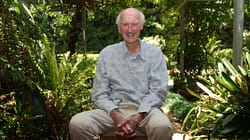
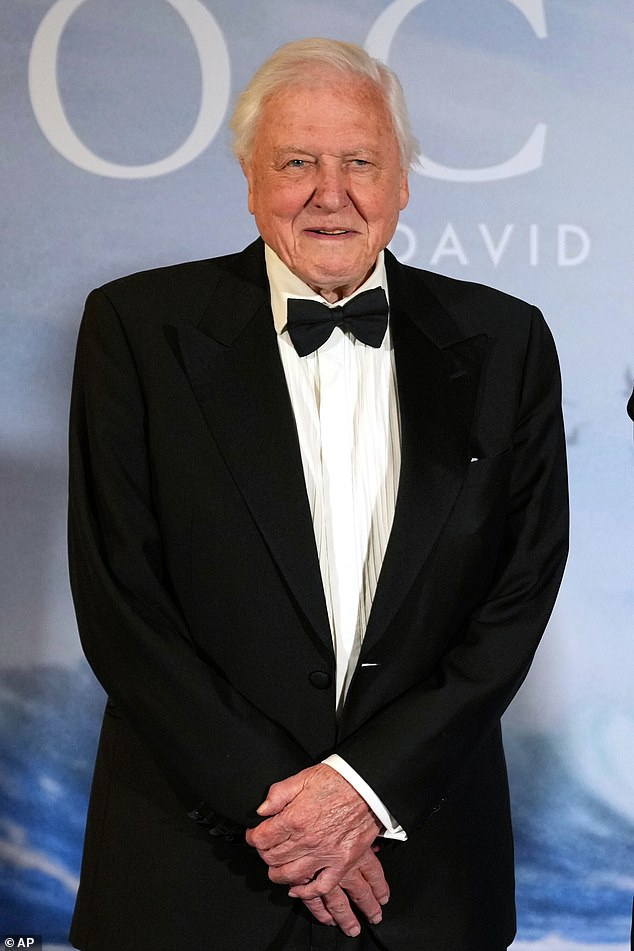
Sir David Attenborough, a name synonymous with natural history and wildlife storytelling, celebrates his 100th birthday. Over the past seven decades, he has captivated audiences worldwide, bringing the wonders of the natural world into homes through his compelling narration and groundbreaking documentaries. His career, marked by an unwavering passion for nature, has inspired generations to explore and appreciate the planet’s diverse ecosystems.
Humble Beginnings and Early Influences
Born on May 8, 1926, Sir David’s fascination with nature began in childhood. He collected fossils and spent hours exploring the English countryside, often riding his Raleigh bike in search of newts, grass snakes, and dragonflies. His early life was shaped by a deep curiosity about the natural world, which would later define his career.
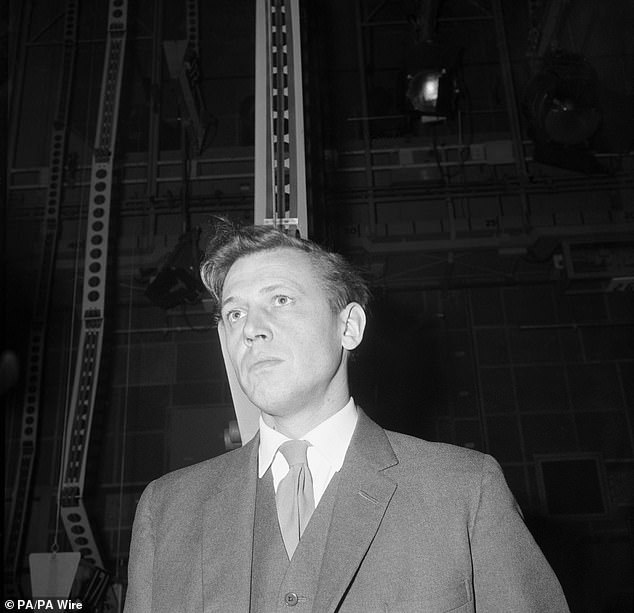
At the University of Cambridge, he studied Natural Sciences, laying the foundation for his future work. Before entering the BBC, he served in the Royal Navy from 1947 to 1949. His entry into broadcasting was not as a presenter but behind the camera, where his distinctive voice eventually found its place.
A Career That Transformed Broadcasting
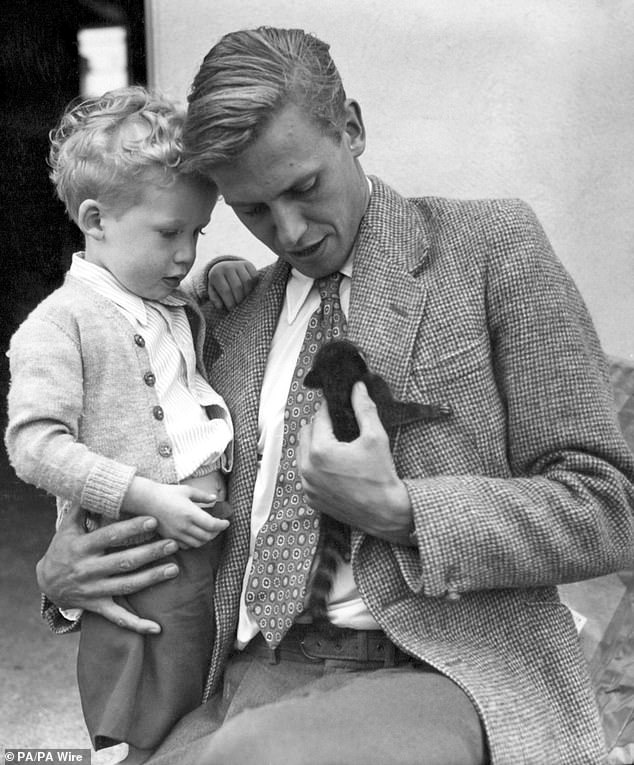
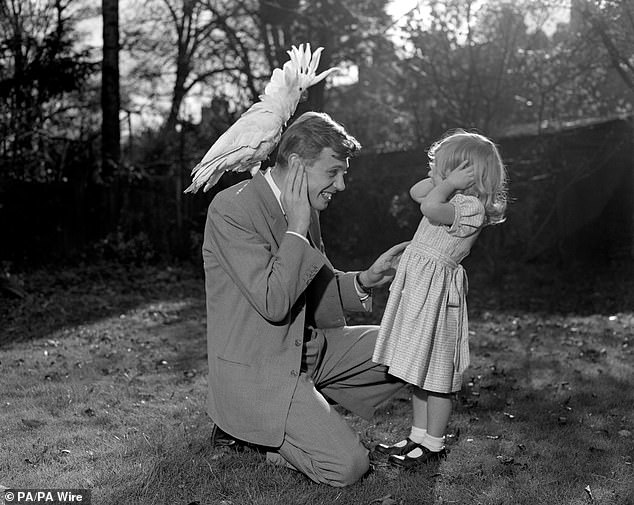
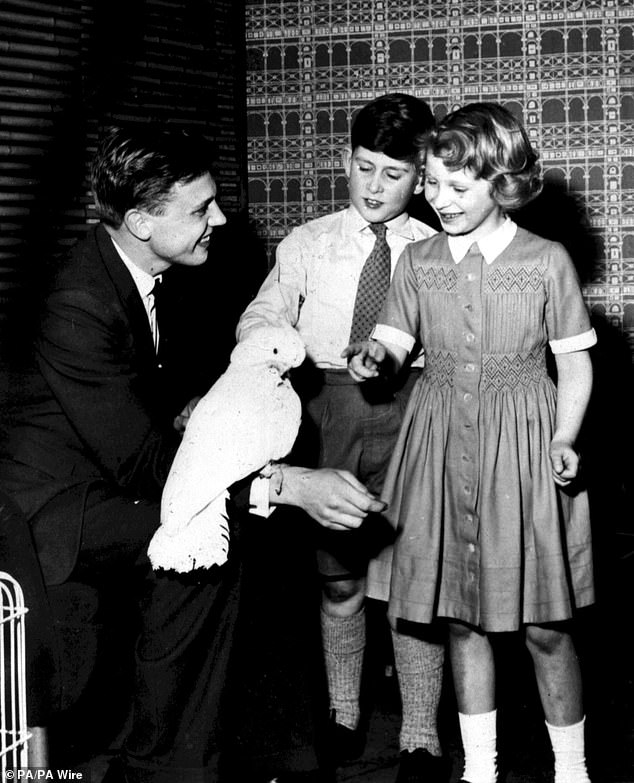
Sir David’s breakthrough came in 1954 when he was sent to find a rare jungle bird for the show Zoo Quest. This opportunity launched a career that would span over 70 years. His ability to bring the natural world to life on screen has made him one of the most recognizable voices in television.
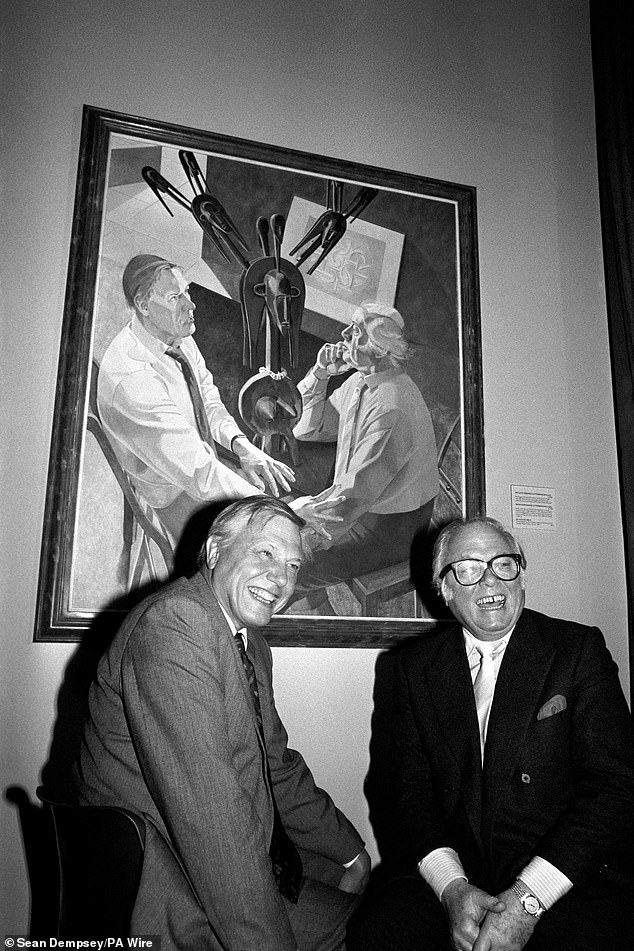
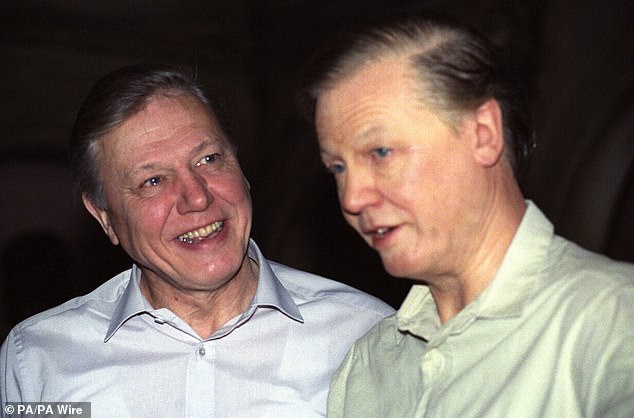
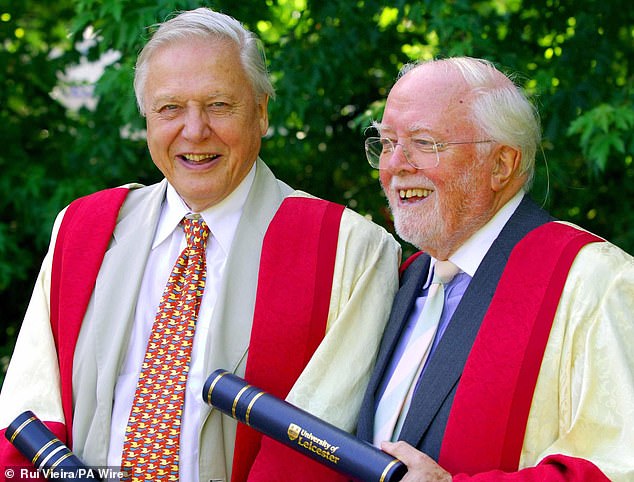
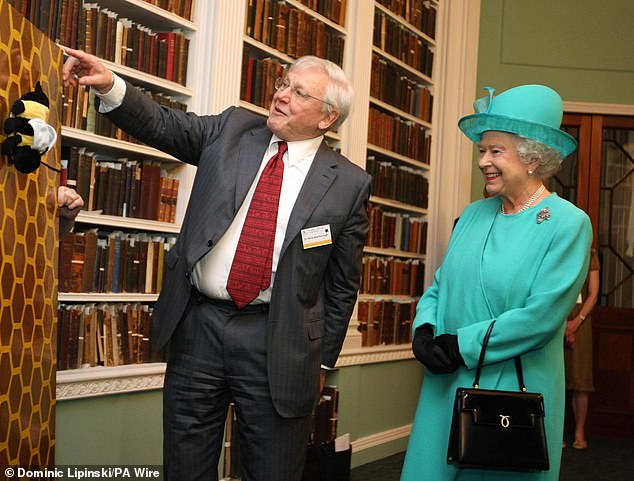
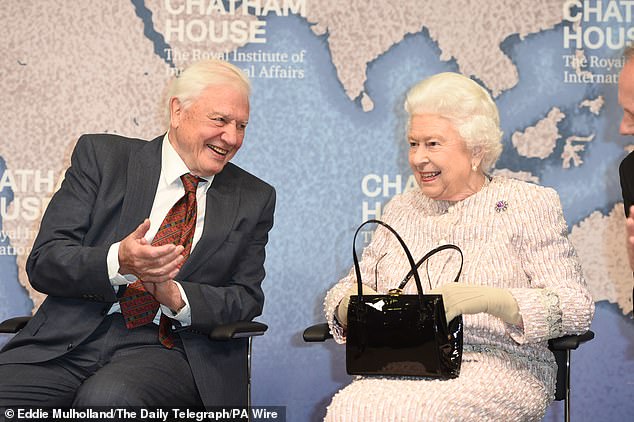
Despite his global fame, Sir David has always downplayed his own role, crediting the teams behind the scenes for their contributions. He once joked that he received a knighthood from Queen Elizabeth II because Buckingham Palace confused him with his older brother, Richard, a well-known actor.
A Lifelong Commitment to Nature
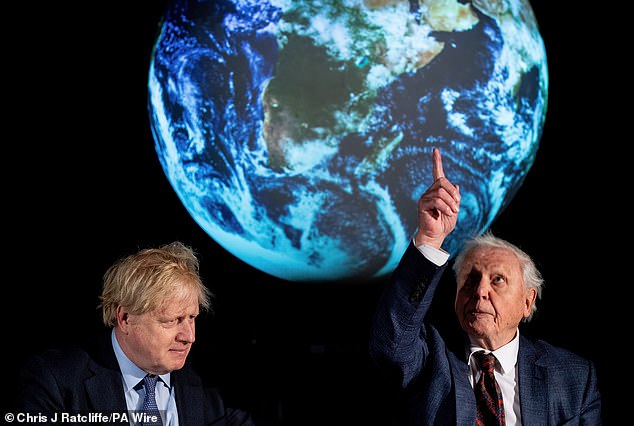
Throughout his career, Sir David has remained committed to environmental issues long before they became mainstream concerns. His series State Of The Planet (2000) and Are We Changing Planet Earth? (2006) addressed critical topics such as global warming and biodiversity loss. His work has consistently highlighted the importance of conservation and the need to protect the planet’s fragile ecosystems.
His influence extends beyond television. As Controller of BBC Two, he introduced color television to Britain and played a key role in shaping the network’s programming. Later, as director of programmes, he brought popular shows like The Forsyte Saga and sports such as snooker to British audiences.
A Lasting Impact on Science and Conservation
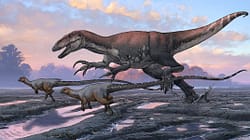
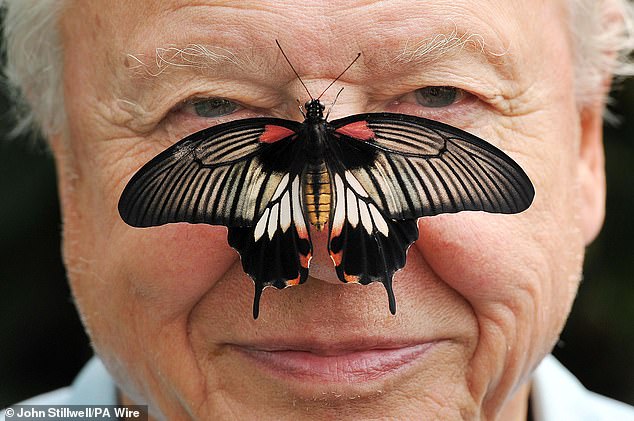
Sir David’s contributions have not gone unnoticed. Many species have been named after him, including the Attenborough’s hawkweed, Euptychia attenboroughi, and the Attenborosaurus. These names honor his dedication to science and conservation, reflecting the profound impact he has had on the natural world.
His documentaries, such as Life On Earth (1979), Planet Earth (2006), and Our Planet (2019), have reached millions of viewers globally. Each series has pushed the boundaries of technology and storytelling, offering audiences unprecedented access to the planet’s most remote and fascinating habitats.
A Legacy of Excellence and Innovation
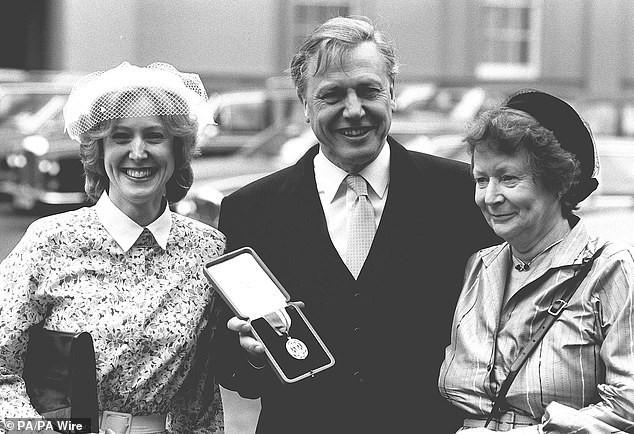
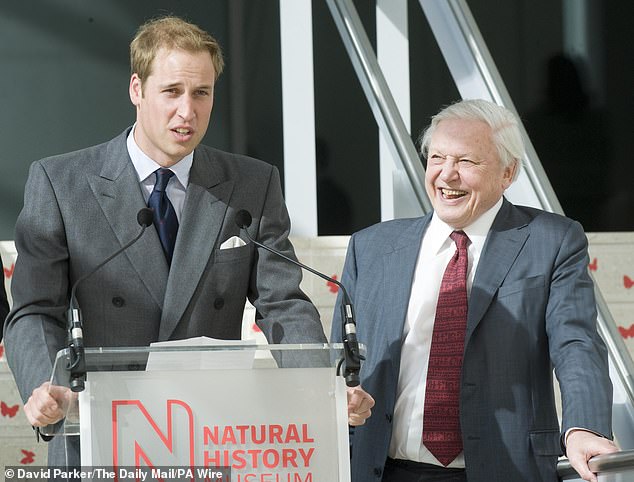
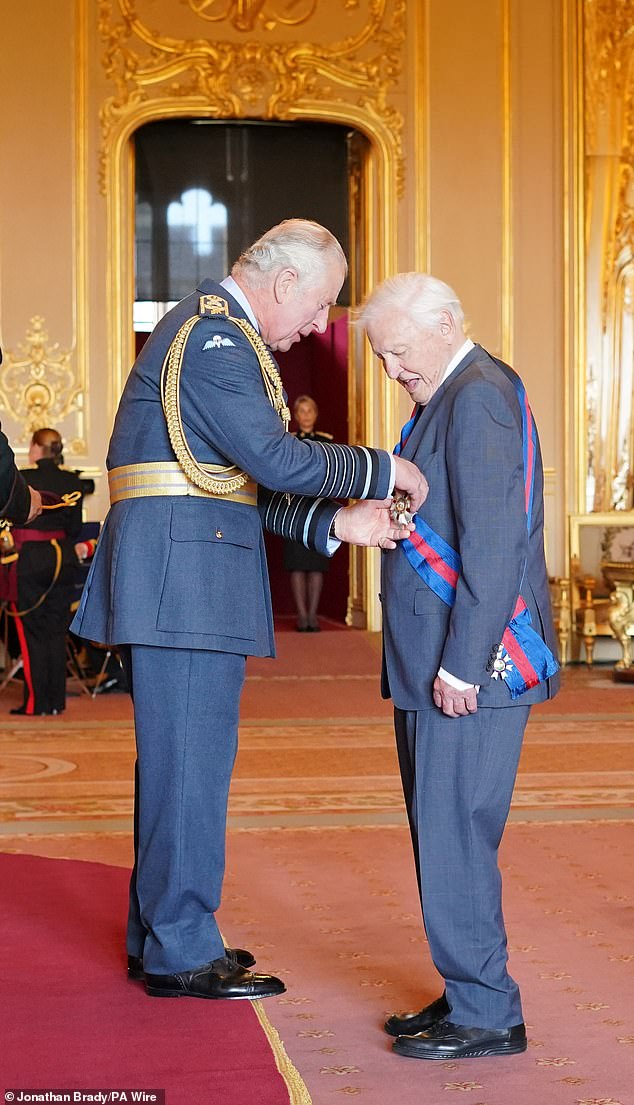
Sir David’s work has earned him numerous accolades, including the Order of Merit from the Queen in 2005 and a knighthood in 1985. He has also received honorary degrees from universities around the world and holds positions at prestigious institutions such as the British Museum and the Royal Botanic Gardens, Kew.
Despite his age, he continues to be a regular presence on television. Recent projects include Wild London, which explores the city’s hidden wildlife, and Planet Earth III, which uses cutting-edge technology to reveal new landscapes and ecosystems.





A Voice for the Planet
As Sir David approaches his 100th year, his legacy remains as strong as ever. His work has not only entertained but also educated and inspired. Through his documentaries, he has helped shape public understanding of the natural world and the urgent need for conservation.
Even as he travels less now, his voice continues to resonate across the globe. His journey, from a young boy collecting fossils to a global icon of natural history, is a testament to the power of curiosity, dedication, and a deep love for the planet.