New Insights into Ancient Fossils Challenge Previous Beliefs
Researchers examining ancient rocks from the late Ediacaran period have discovered fossil evidence suggesting that complex animal groups, including the closest known invertebrate relatives of humans, may have existed before the Cambrian explosion. This groundbreaking finding, published in Science, challenges long-held assumptions about the sudden emergence of advanced animal life.
The Cambrian explosion, which occurred around 538 million years ago, has long been considered a pivotal moment in Earth’s history. During this relatively short geological interval, many recognizable animal groups appeared in the fossil record, such as arthropods, echinoderms, and early worms. Charles Darwin himself viewed the rapid diversification of life during this time as a major scientific puzzle.
The period immediately preceding the Cambrian, known as the Ediacaran, spans roughly from 635 to 538 million years ago. Fossils from this era are often difficult to interpret, as they resemble quilted discs, sacs, or flattened structures with no obvious modern equivalents.
The Curious Case of the “Bugle Worm”
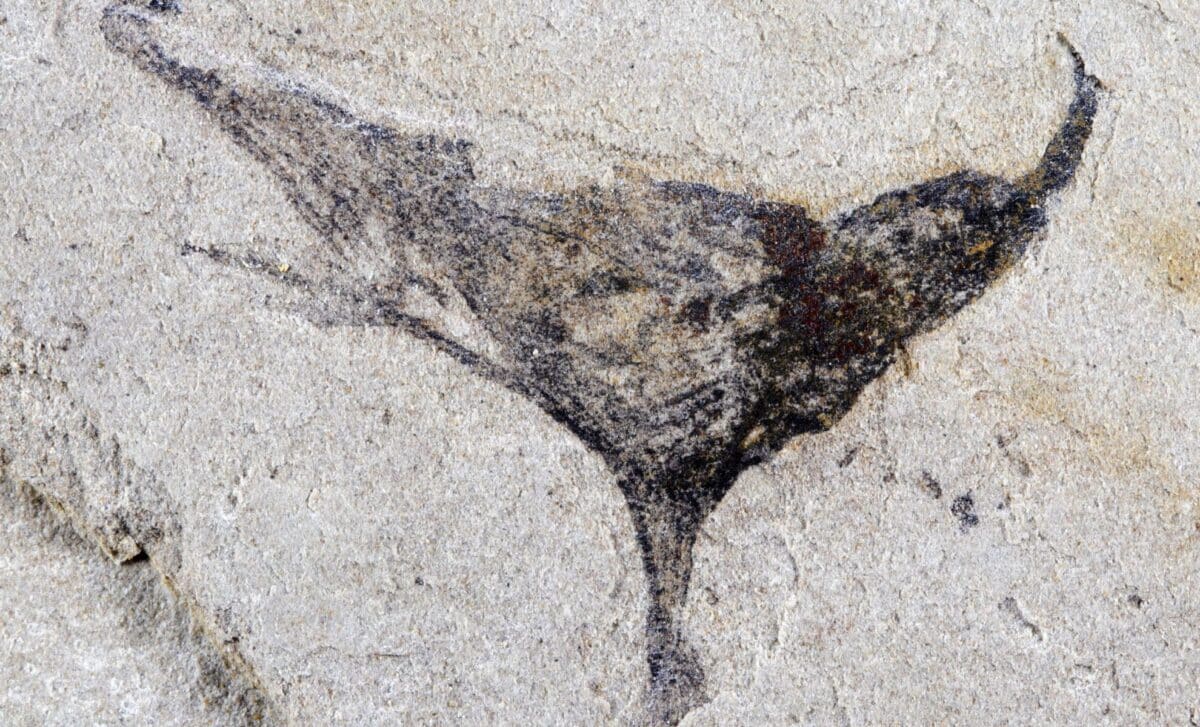
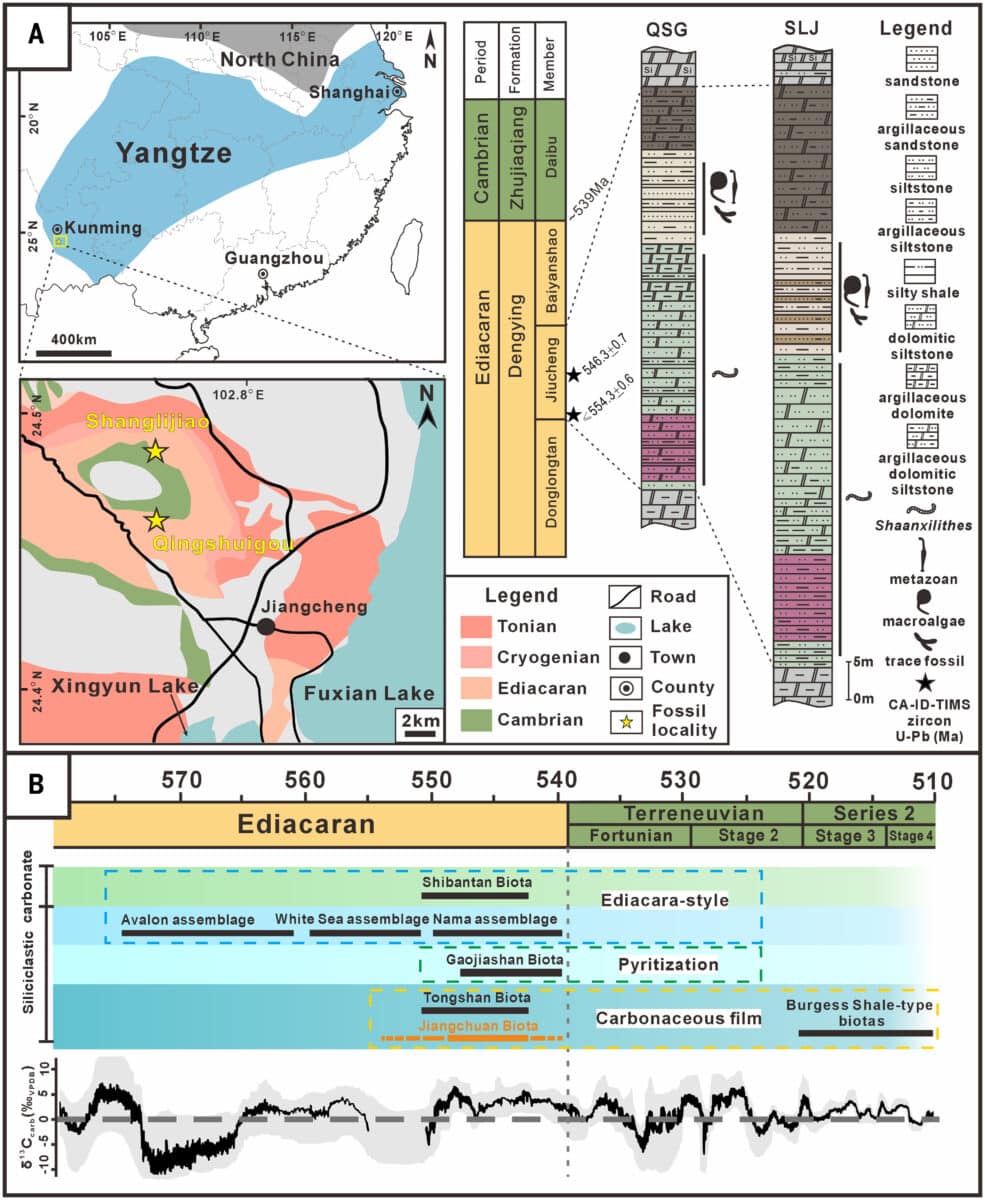
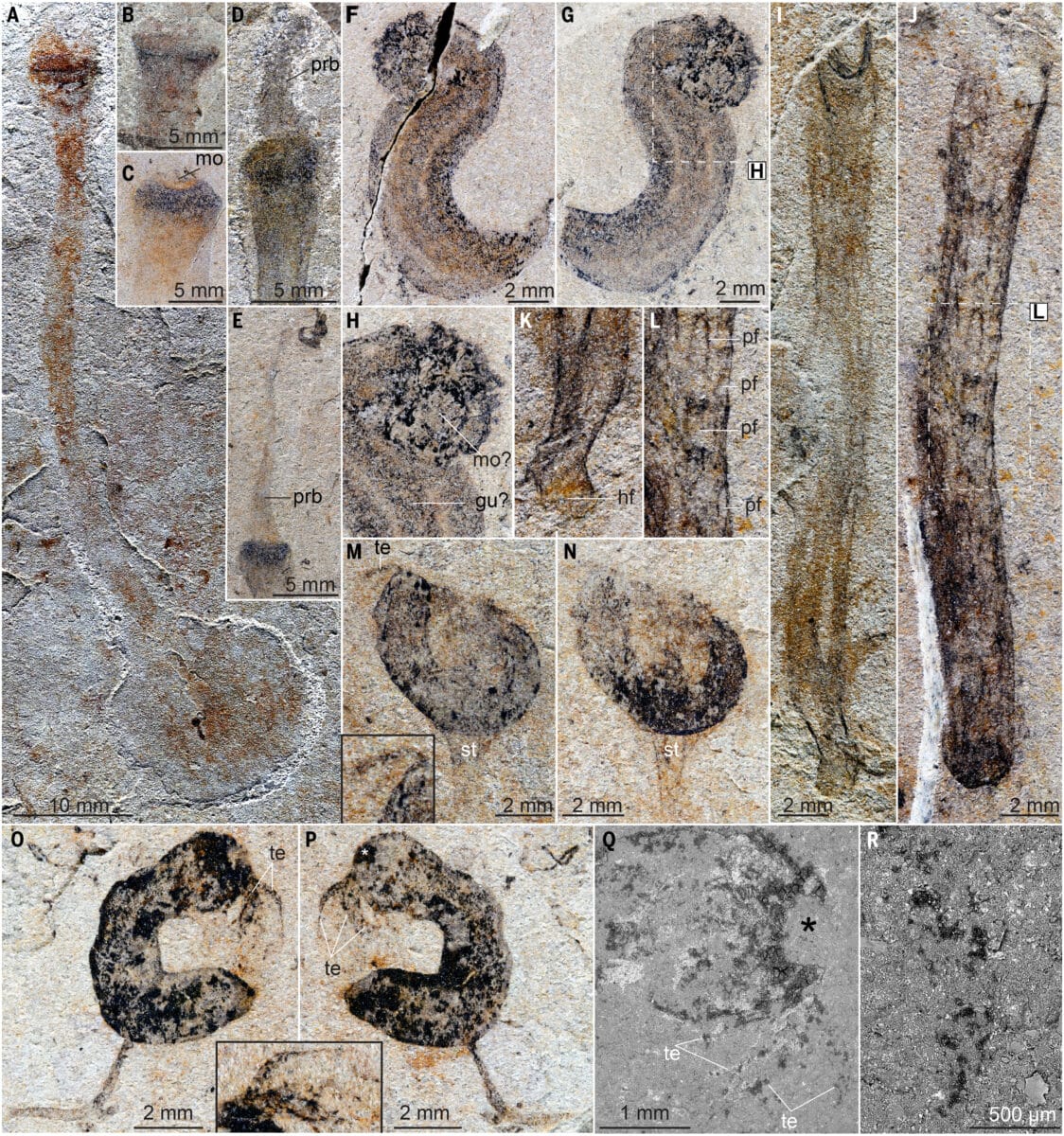
The discovery came during fieldwork in eastern Yunnan in 2023. Gaorong Li, then a Ph.D. student at the Yunnan Key Laboratory for Paleobiology, was initially searching for fossil algae in rocks belonging to the Jiangchuan biota. Instead, the team uncovered an unusual worm-like organism attached to the seafloor by a circular anchoring disc. The creature had a proboscis that could turn inside out to gather food. Researchers later nicknamed it the “bugle worm.”
The study published in Science explains that the fossil had previously been identified only through its anchoring structure and named Cycliomedusa. The newly recovered specimens preserved the entire organism, revealing a far more complex anatomy than previously recognized.
A Complex Organism with Unusual Features
The researchers described the animal as belonging to a complex group, although its exact place within the animal kingdom remains unresolved. Its anatomy differs sharply from modern marine organisms, making classification difficult even after the more complete fossils were uncovered.
Cambrian Animals May Be Older Than Thought
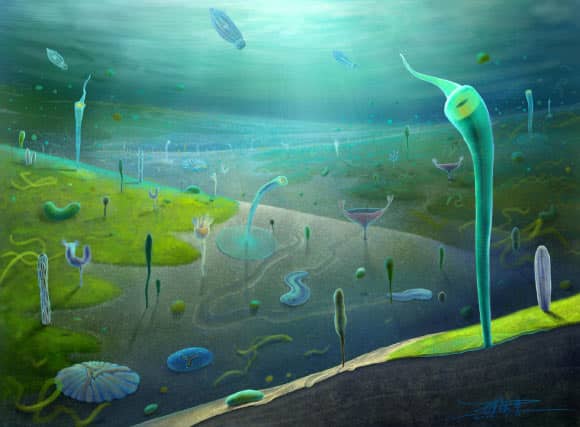
As excavations continued, researchers realized the Jiangchuan biota held far more than a few isolated organisms. In 2024, a larger international team, including scientists from the University of Oxford, returned to the site to study the fossil community in greater detail. The team uncovered fossils linked to both Ediacaran and Cambrian ecosystems. Even more striking, some of the organisms had previously only been seen in Cambrian rocks. Among them were primitive animals similar to Mackenzia, several worm-like species, and ctenophores, marine predators often referred to as comb jellies.
Finding all these organisms together blurs the usual boundary between the Ediacaran and Cambrian periods.
Dr. Luke Parry of the University of Oxford stated:
“This discovery is extremely exciting because it reveals a transitional community: the weird world of the Ediacaran giving way to the Cambrian, the following time period where the animals are much easier to place in groups that are alive today,” adding that: “When we first saw these specimens, it was clear that this was something totally unique and unexpected.”
Evolutionary Transition Revealed
The Jiangchuan fossils suggest that several advanced animal lineages had already emerged before the Cambrian explosion became globally visible in the fossil record. As University of Oxford researcher Dr. Ross Anderson said:
“Our results indicate that the apparent absence of these complex animal groups from other Ediacaran sites may reflect differences in preservation rather than true biological absence.”
The Oldest Known Human Relatives May Be Identified
Among the most significant discoveries were fossils linked to deuterostomes, the animal group that eventually gave rise to vertebrates, including humans. Several specimens featured stalks and tentacle-like structures closely resembling extinct Cambrian organisms known as cambroernids. Researchers say cambroernids are related to modern starfish and acorn worms, the closest living invertebrate relatives of humans.
These fossils push the history of this evolutionary branch further back into the Ediacaran period. The discovery suggests that some of the earliest roots of the human lineage were already present before the Cambrian explosion began.
A Longer Evolutionary Transition
The study also points to a long overlap between complex animal communities and the enigmatic organisms that dominated Ediacaran seas. Instead of appearing suddenly, complex animal life may have emerged through a longer evolutionary transition.
Enjoyed this article?
Subscribe to our free newsletter for engaging stories, exclusive content, and the latest news.