
Tick Season and the Threat of Deadly Diseases
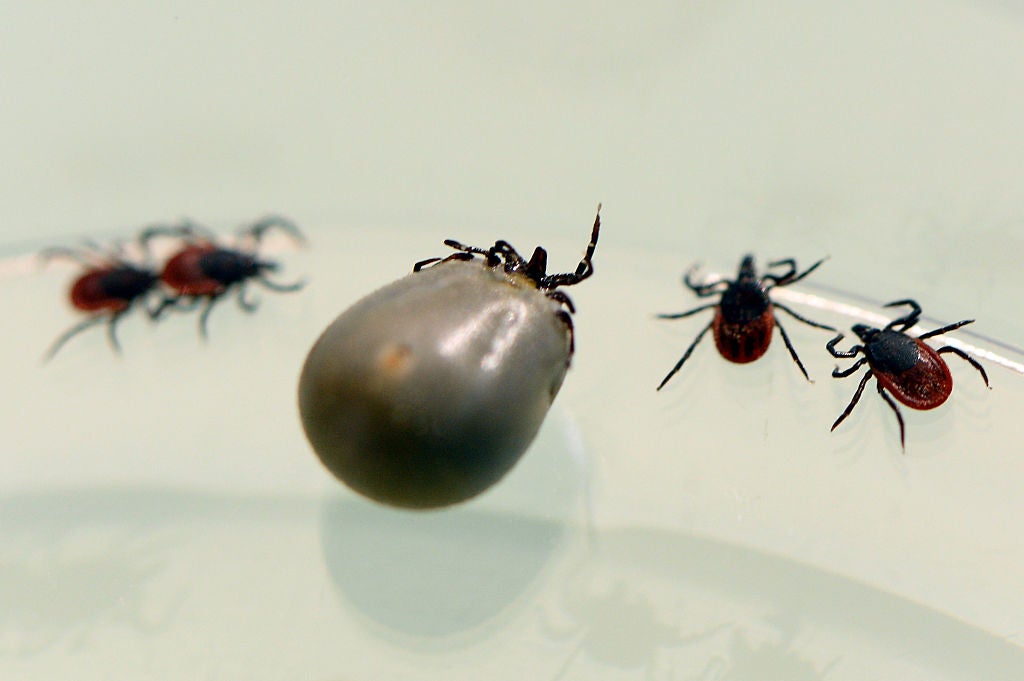
With tick season upon us, the risk of contracting various tick-borne diseases is on the rise. One of the most well-known is Lyme disease, which affects around 476,000 people in the U.S. each year, according to the Centers for Disease Control and Prevention (CDC). While Lyme disease is primarily transmitted through the bite of black-legged ticks, it can be fatal in rare cases. However, it’s not the only deadly disease linked to these tiny bloodsuckers.
The current tick season has already seen a significant increase in emergency room visits for tick bites, with the highest numbers reported in the Northeast and Midwest regions. Experts warn that the worst may still be ahead as summer approaches and more people spend time outdoors.
Tick season typically runs from April to September, peaking in May. However, a warming climate has extended the season and expanded the range of ticks further north, bringing them into areas where people might not expect to encounter them. This shift increases the likelihood of human-tick interactions and subsequent infections.
A Deadly Rash: Rocky Mountain Spotted Fever
Rocky Mountain Spotted Fever is considered the deadliest tick-borne disease in the U.S., with a fatality rate of 3-5% among infected patients. It is spread by several tick species, including American dog ticks, Brown dog ticks, and Rocky Mountain Wood ticks. These ticks are found in different regions across the country.
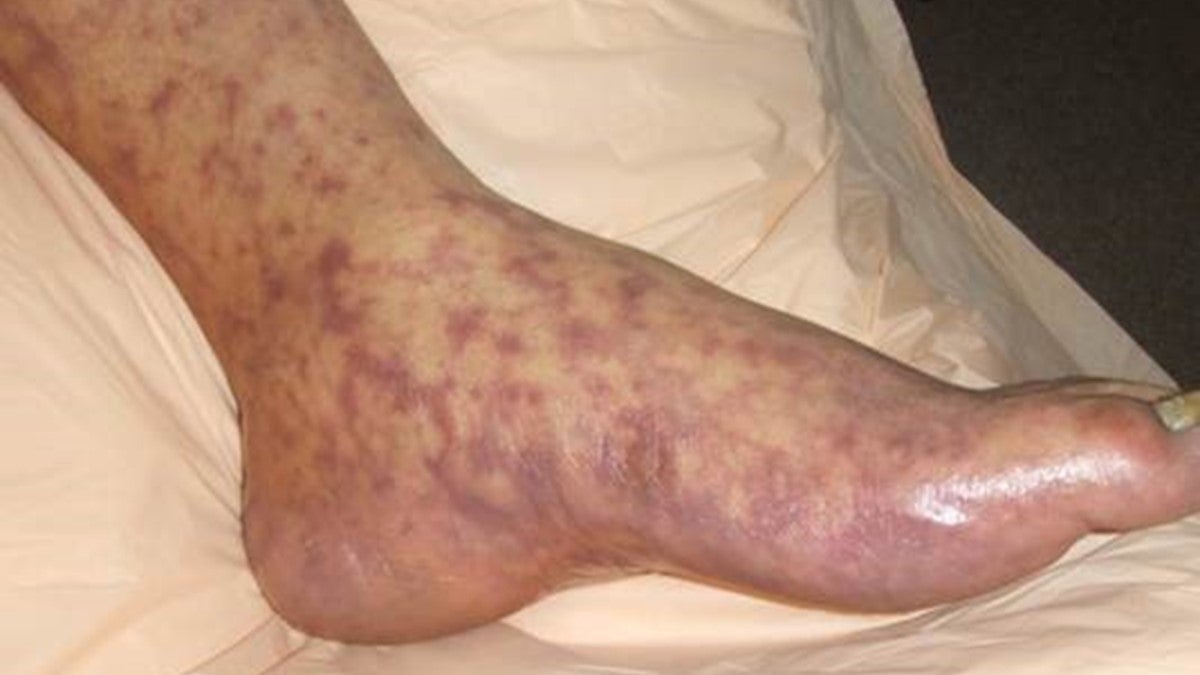
Like many tickborne illnesses, Rocky Mountain Spotted Fever causes symptoms such as fever, nausea, vomiting, and headache, which typically appear within two days to two weeks after infection. A red rash, which can appear as pinpoint dots or red splotches, is another characteristic symptom. However, this rash often does not appear until later in the illness. In some cases, patients may suffer permanent hearing loss, mental disabilities, and even amputation.
Doxycycline is an antibiotic that can prevent severe illness if taken within eight days of infection. It is also commonly used to treat Lyme disease. However, not all tick-borne diseases can be treated with doxycycline.
A Brain-Swelling Virus: Powassan Virus
Powassan virus is another serious threat, with a mortality rate of one in 10 for those who develop severe symptoms within 1-4 weeks of a tick bite. According to the Cary Institute of Ecosystem Studies, half of those who survive may experience long-term effects such as loss of muscle mass and recurring headaches.
Spread by blacklegged ticks in the Northeast and Great Lakes regions, there are currently no vaccines or treatments available for Powassan virus. Symptoms include fever, headache, and vomiting, but the virus can also cause swelling around the brain and spinal cord, leading to seizures, difficulty speaking, confusion, and loss of coordination.
A Threat to Pets: Anaplasmosis
Anaplasmosis is another tick-borne illness that spreads through blacklegged and western blacklegged ticks. It presents similar symptoms to Powassan virus, including fever, headache, and vomiting, but can also lead to organ and respiratory failure. The disease is particularly prevalent in dogs, and cases are expected to rise this year.
While anaplasmosis can be treated with doxycycline, the mortality rate is much lower compared to Rocky Mountain Spotted Fever and Powassan virus. According to the Cleveland Clinic, about 0.5% of those infected will die from the disease.
A Danger During Pregnancy: Babesiosis
Babesiosis is another deadly tick-borne disease carried by blacklegged ticks. Researchers have noted that it has a death rate of up to 9% for healthy patients and as high as 20% for those with compromised immune systems. It can be contracted in the Upper Midwest and Northeast, but cases have also been reported on the West Coast.
Symptoms of babesiosis are similar to other tick-borne diseases, but the illness uniquely attacks blood cells. Unlike other tick-borne diseases, you don’t need to be bitten to become infected. A mother can pass the disease to her baby during pregnancy, and it can also be transmitted through blood transfusions containing infected ticks.
Babesiosis can be treated with a combination of antibiotics over a 7-10 day period, including atovaquone and azithromycin.
How to Stay Safe
The best way to avoid tick bites is to avoid high-risk areas such as woods and grasslands. If you’re hiking or spending time outdoors, wear long-sleeved clothing that fits tightly. Additionally, check your pets for ticks, as they can serve as an indicator of potential exposure.
Dr. Robert Smith, director of the vector-borne disease lab at the MaineHealth Institute for Research, advises that if you find ticks on your dog, you may also be at risk, as they likely encountered the same environments as you. By taking these precautions, you can reduce your chances of contracting a dangerous tick-borne illness.