A New Dinosaur Discovery in Argentina Offers Insights into Sauropod Evolution
A newly discovered dinosaur from Argentina is offering scientists a fresh perspective on how giant sauropods evolved in the Southern Hemisphere. Named Bicharracosaurus dionidei, this massive plant-eater displays a unique combination of features linked to both brachiosaurids and diplodocids, which researchers did not expect to find in a single dinosaur.
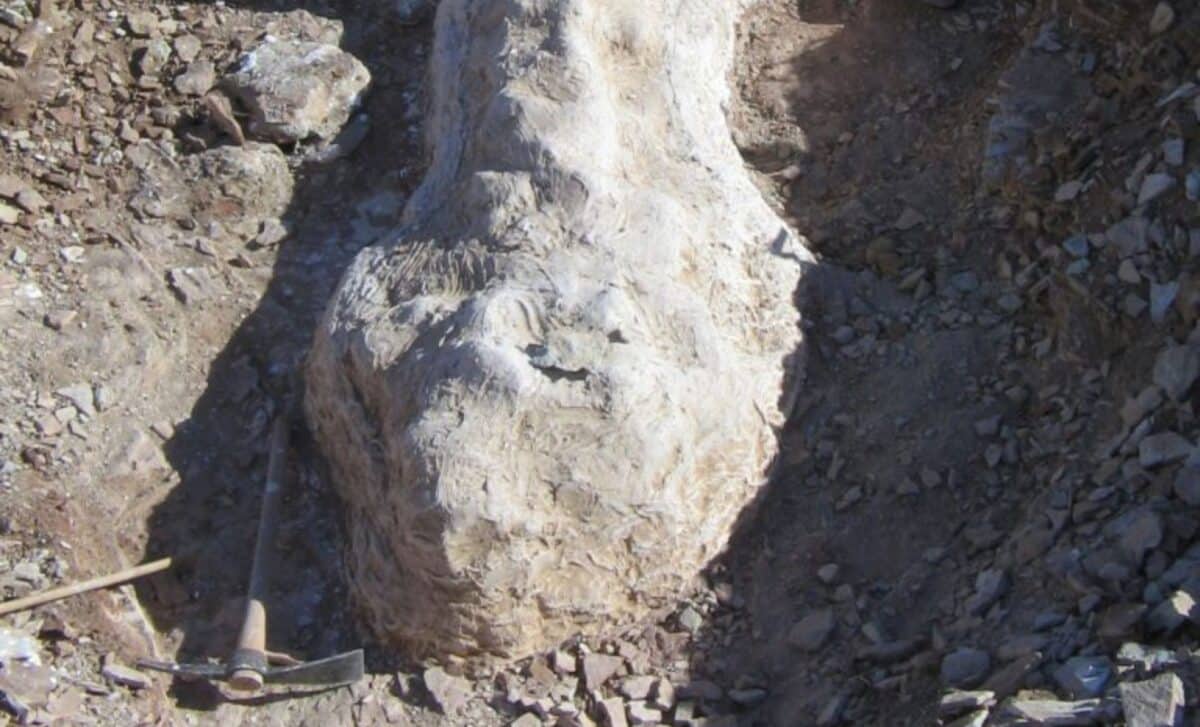
The fossil was found in the Cañadón Calcáreo Formation in Patagonia and dates back approximately 155 million years. The research, published in PeerJ, suggests that the animal could be the first Jurassic brachiosaurid ever identified in South America.
Sauropods remain some of the most recognizable dinosaurs ever discovered. With their huge bodies, tiny heads, long necks, and sweeping tails, they dominated Jurassic landscapes for millions of years. Famous giants like Diplodocus and Brachiosaurus have helped shape what people imagine when they think about dinosaurs today.
Most fossil discoveries linked to these animals have come from North America and parts of Africa. That is why the discovery of Bicharracosaurus dionidei is so significant. Scientists from LMU Munich and the Bavarian State Collections of Natural History say fossils from Patagonia are helping fill major gaps in the fossil record from the ancient southern supercontinent known as Gondwana.
A Dinosaur With Traits From Different Giant Groups
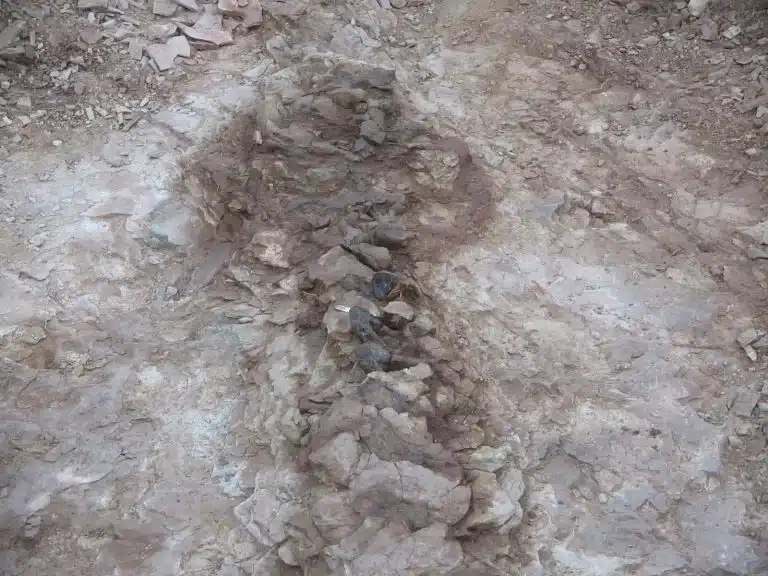
Researchers recovered more than 30 vertebrae from the neck, back, and tail, along with ribs and part of the pelvis. As the study explained, the bones belonged to an adult dinosaur estimated to have reached about 65 feet, or 20 meters, in length.
Some parts of the skeleton looked surprisingly similar to Giraffatitan, the giant brachiosaurid discovered in Tanzania. Other features, especially in the back vertebrae, were closer to Diplodocus and related dinosaurs from North America. Lead author Alexandra Reutter explained that:
“Our phylogenetic analyses of the skeleton indicate that Bicharracosaurus dionidei was related to the Brachiosauridae, which would make it the first Brachiosauridae from the Jurassic of South America.”
That unusual combination of traits is one reason paleontologists find the fossil so interesting. Sauropod classification often depends on details hidden in vertebrae, and this dinosaur does not fit neatly into categories scientists are used to seeing.
Patagonia Is Revealing More Jurassic Secrets
The fossils were discovered in Argentina’s Chubut Province, a region already known for major dinosaur finds. Scientists describe the Cañadón Calcáreo Formation as an increasingly important source of information about Jurassic ecosystems in Gondwana.
Dinosaur expert Oliver Rauhut said most knowledge about Late Jurassic sauropods still comes from fossils found in the Northern Hemisphere. For years, Tanzania remained one of the only major Southern Hemisphere sites from that time period.
“The fossil site in the Argentine province of Chubut, from which Bicharracosaurus dionidei originates, provides us with important comparative material, allowing us to continuously supplement and reevaluate our understanding of the evolutionary history of these animals, particularly in the Southern Hemisphere,” he said in a university statement.
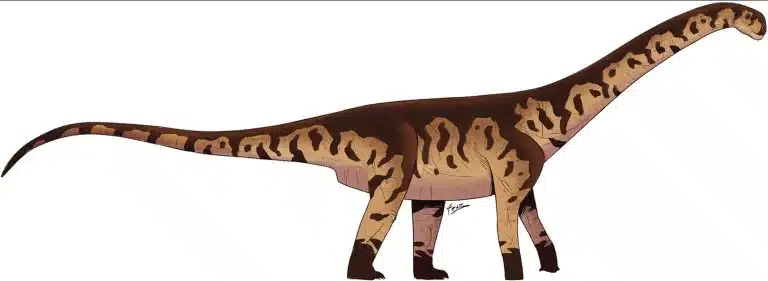
The new discovery does not overturn previous research, though it adds an important missing piece to the broader picture of Jurassic dinosaur evolution.
The Fossil Find That Began With A Shepherd
The species name dionidei honors Dionide Mesa, the shepherd who first spotted the fossils on a farm in Patagonia. Researchers chose the genus name Bicharracosaurus from the Spanish slang word “bicharraco,” which roughly translates to “big animal.”
Today, the fossils are housed at the Museo Paleontológico Egidio Feruglio in Trelew, Argentina. The study itself involved researchers José Luis Carballido, Guillermo José Windholz, Diego Pol, and Oliver W.M. Rauhut alongside Reutter.
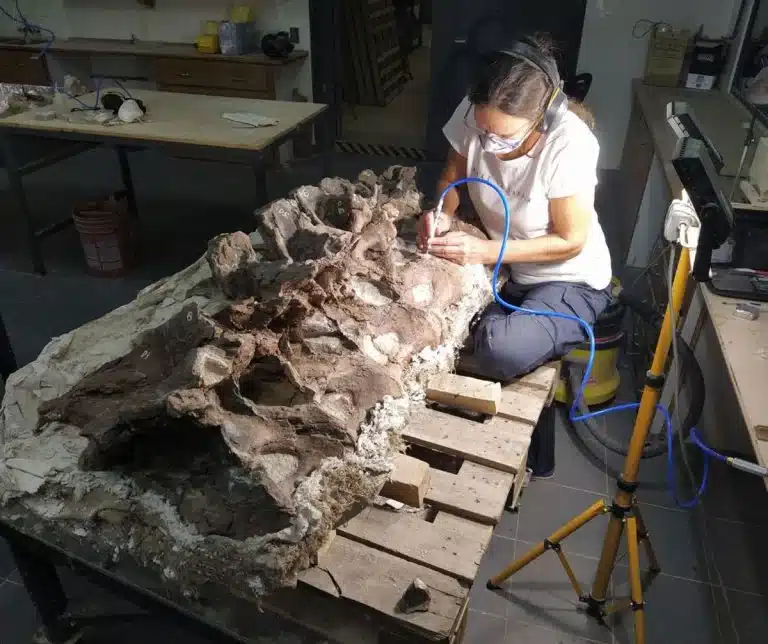
Even though the skeleton remains incomplete, the fossil already ranks among the more important Jurassic sauropod discoveries from South America in recent years. Its strange anatomy is giving paleontologists new clues about how some of Earth’s largest land animals evolved nearly 155 million years ago.