Discovery of the Missing Graduate Student
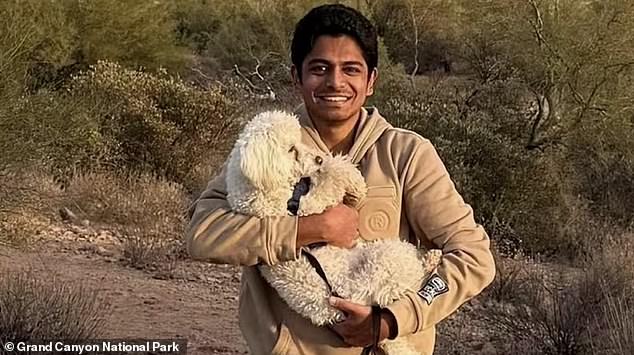
The body of a 26-year-old graduate student, who had gone missing while visiting the Grand Canyon, was found over the weekend. Sandarsh Krishna, a computer science student at Arizona State University, was reported missing after his family did not hear from him on April 28. He had last been seen on the Rim Trail along Hermit Road at 4pm on April 27.
Found Near the Lodge
Around 7am on April 28, a backpack believed to belong to Krishna was discovered by a hiker and handed over to hotel staff at Bright Angel Lodge. The Bright Angel Lodge is less than a half a mile from the visitor’s center, where Krishna’s body was eventually located. His remains were transported to the Coconino County Medical Examiner’s Office for further examination. The cause of death has not been disclosed by authorities.
Krishna’s family had continued to hope that he was still alive, visiting the South Rim multiple times in the past week. Cellphone tower data indicated that his last known location was between the Bright Angel Lodge and Mohave Point on the day of his disappearance. To aid in the search, the family even hired a private investigator.
From India to Arizona
Krishna moved to Arizona from India in 2024 to pursue a master’s degree in computer science at Arizona State University. His loved ones described him as bright, kind, and deeply family-oriented. “He has a helping hand,” said his sister-in-law Pooja Shivananjappa. “As I said, he has the heart of a kid, and we terribly miss him.”
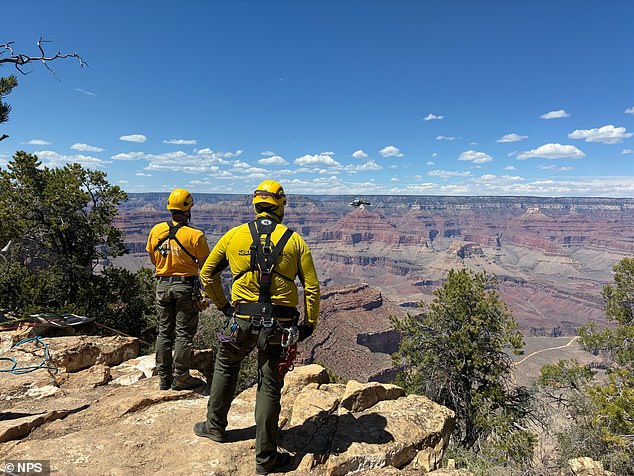
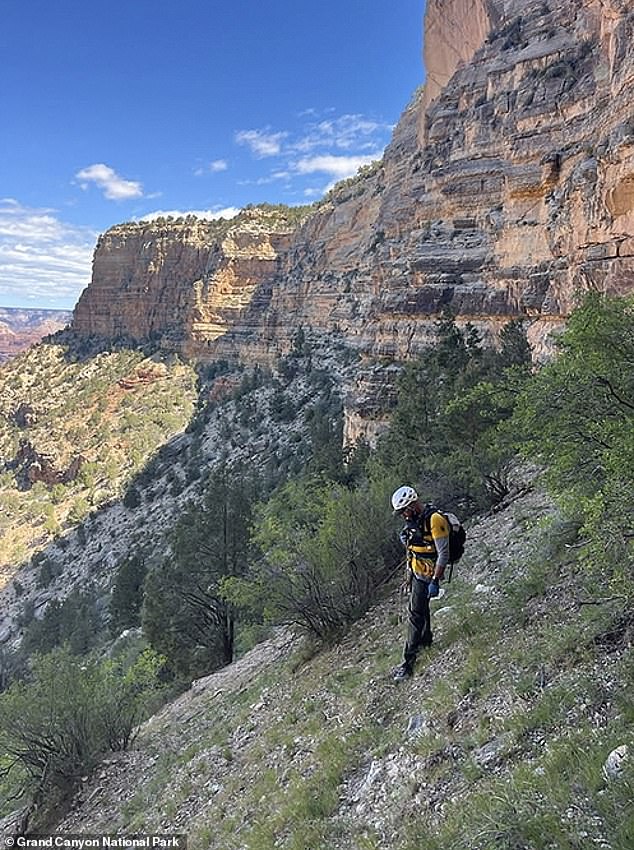
Over the past several days, more than 30 search and rescue personnel were deployed to locate Krishna. Officials mentioned that crews used various techniques, including trail scanning, walk-down routes into the canyon, technical rope insertions, aerial reconnaissance flights, and drone operations.
The Most Deadly Park
The Grand Canyon, one of the most popular nature attractions in the United States, is frequently ranked as the most deadly national park due to the number of fatalities that occur there each year. Most deaths are not from falls but from heat stroke and dehydration, which can be caused by the extreme temperature fluctuations at different elevations. Temperatures at the canyon floor are often significantly hotter than at the rim, and hikers who descend in cool morning weather can find themselves trekking uphill for hours in extreme heat.
This, combined with a lack of reliable cell service throughout the canyon, can lead to dangerous outcomes for hikers. The National Park Service recommends that hikers rest often in the shade, stay hydrated, and apply sunscreen throughout the day.