The Impact of Air Pollution on Health
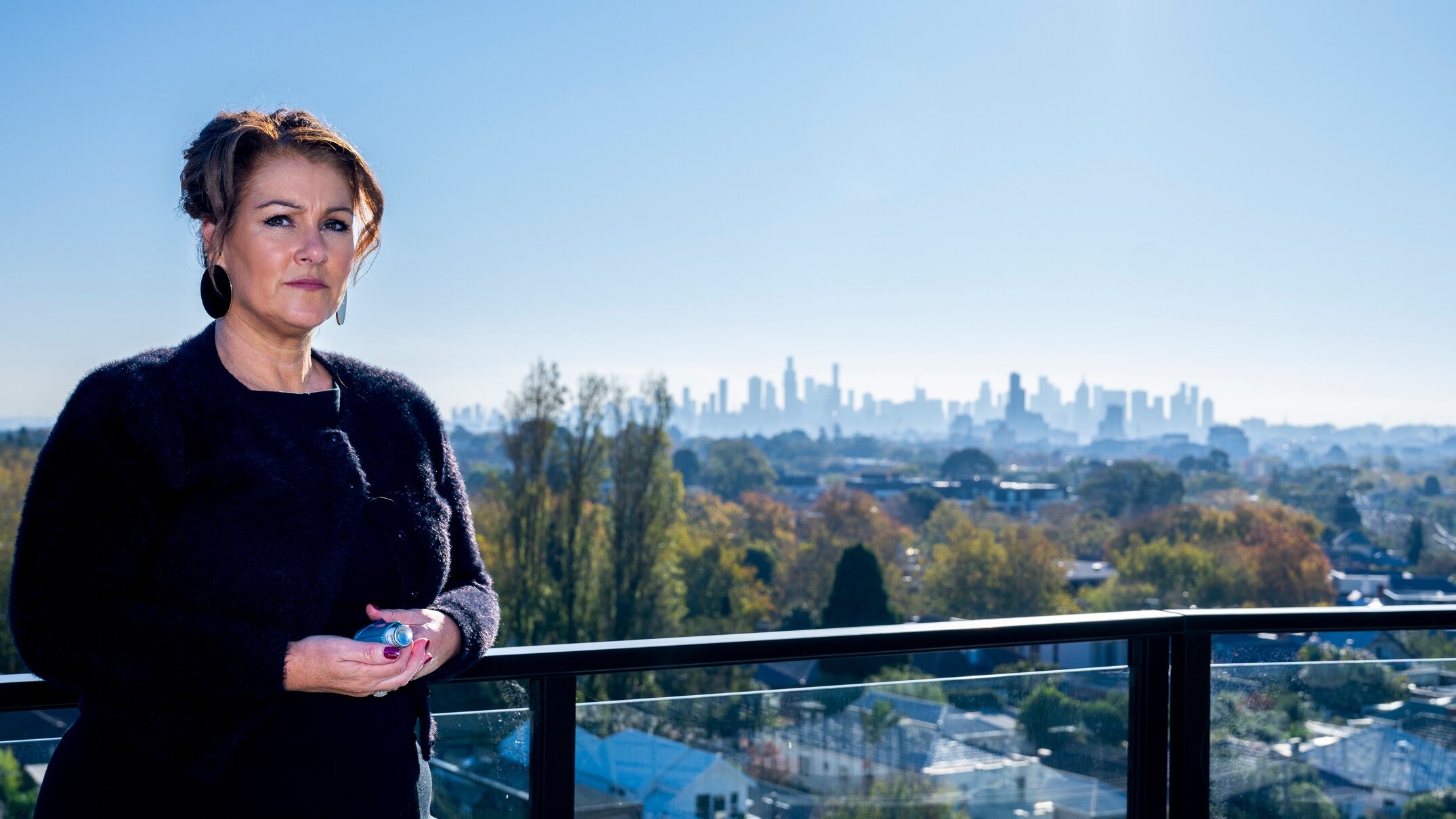
For Julia Ovens, air pollution is more than just an environmental issue—it’s a matter of life or death. Diagnosed with asthma at the age of 10, the 53-year-old has faced regular attacks that have often left her in hospital. “There have been times when I’ve thought, ‘If the ambulance doesn’t come soon, I’m finished,’” she recalls.
Asthma is an inflammatory lung disease where the airways become obstructed, making it difficult to breathe. In Ms. Ovens’ case, she also suffers from eosinophilic asthma, a severe and chronic subtype characterized by high levels of white blood cells in the airways. This condition can be triggered by pollution, smoke, or strong smells, and its effects can be devastating.
“It affects you mentally because you’re constantly living day-by-day, not knowing what you can do, what you can’t,” she explains. “When you’re bad, it does get very isolating because you can’t go out, you stop seeing your friends.”
Before commuting from her home in Carrum, in Melbourne’s south-east, to her work 40 minutes closer to the city, Ms. Ovens develops what she calls her “battle plan.” It’s something she has to do every day. She uses several apps to monitor weather conditions, check for air pollution, pollen, planned burns, and residential or industrial fires.
“I try to work out what I need to reschedule or move inside to protect myself as best I can. And sometimes there are things you just can’t,” she said. “Sometimes there are things that you go, ‘OK, well, I need to stay indoors today.’”
Ms. Ovens is not alone. Australian Bureau of Statistics figures from 2022 show one in nine Australians has asthma. And there are many others with conditions that can be triggered by bad air quality.
New Study Links Air Pollution to Hospitalisations
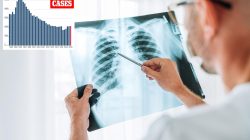
A new study has found a clear link between air pollution and the risk of ending up in hospital with lung and heart issues. The research was carried out by researchers from Deakin University, Murdoch Children’s Research Institute, The University of Melbourne, The University of Queensland, and The University of Sydney.
The study used national air pollution estimates from 2016 and hospitalisation data from 1,155 public health areas between 2016 and 2017. The results showed that higher exposure to air pollution particles smaller than 2.5 micrometres (PM2.5) and nitrogen dioxide (NO2) was consistently linked with increases in cardio-respiratory hospitalisations.
Report co-author Clare Walter coordinates the Sustainable Health and Environment Network at Deakin University. “What we found is that those in the top fifth percentile of exposure had much higher risk for cardio-respiratory hospitalisations than those in the bottom quartile of exposure,” Dr. Walter said.
The report warned that air pollution contributes to breathing difficulties, heart problems, and stroke, and acknowledged emerging links between pollution and neurological disorders like dementia. It also recommended banning wood heaters, phasing out diesel vehicles, and improving bushfire control to reduce cardio-respiratory hospital admissions.
Recommendations for Reducing Pollution
While there were hotspots in some city areas, the report found the link between air pollution and hospitalisations extended across metropolitan, regional, and rural Australia. On the upside, it found Australians’ average exposure to PM 2.5 was below the nationally set standard, but limited data and reporting methods meant researchers could not provide a national average for nitrogen dioxide.
Dr. Walter has recommended several other ways to reduce pollution, particularly for vulnerable people like children. Her recommendations included installing air filters in all childcare centres, moving schools and childcare centres away from busy roads, increasing green barriers between roads and play areas, and stopping vehicles from idling at drop-off.
The report found air pollution caused roughly the same amount of disease in Australia as sun exposure. “I used to drop my children off at a childcare centre and see people with their engines running and kneeling down with their children next to the engine running, applying sunscreen and putting their hats on,” Dr. Walter said. “And it really struck me that the level of awareness is very, very different.”
Calls for Better Air Quality Rating System
Asthma Australia chief executive Kate Miranda is particularly concerned about one of the two pollutants identified in the research: PM 2.5. These particles are roughly 30 to 100 times thinner than a human hair and can travel deep into the lungs and enter the bloodstream.
She said climate change and bushfire smoke were making air quality a growing problem, and that checking air quality should be as normal as checking the weather forecast. “We know from the bushfires in 2019-2020 that there were more than 1,500 emergency department attendances for people with asthma,” she said.
“There were more than 2,000 hospital admissions for lung problems, more than 1,000 hospital admissions for heart problems, and more than 400 deaths were tragically caused by the smoke. It is a real issue.”
She agreed with Ms. Ovens that there needs to be a one-stop shop for air quality information. “A nationally consistent system that makes air quality information clearer and simpler, live and easy to trust, that would go a long way to supporting people in helping them prepare and protect their health,” Ms. Miranda said.
A Human Right to Breathe Freely
Meanwhile, Ms. Ovens said she was very fortunate to have a very supportive boss and work for a company that understood her asthma. “But it certainly has had a particularly big impact on my life, on my social life, going out, doing things, because quite often you have to cancel or make changes at the last minute.”
Compounding the problem, she said, was the difficulty of accessing live data in some apps, particularly for air quality, which can change from one minute to the next. “A lot of the information is really hard to find. One live app would be ideal,” Ms. Ovens said.
“People should have the right to breathe freely. You should have shelter, be able to breathe, water and food. It’s a human right.”