Jewish Musicians Share Experiences of Vilification at Royal Commission Hearing
Jewish musicians have shared their experiences of being targeted due to their views on Zionism during a royal commission hearing. The commission, which is examining antisemitism and social cohesion, heard testimonies from Deborah Conway and Joshua Moshe, who were members of a WhatsApp group for Jewish creatives and academics. The contents of the group were leaked by the media, leading to the public exposure of some members’ personal information.
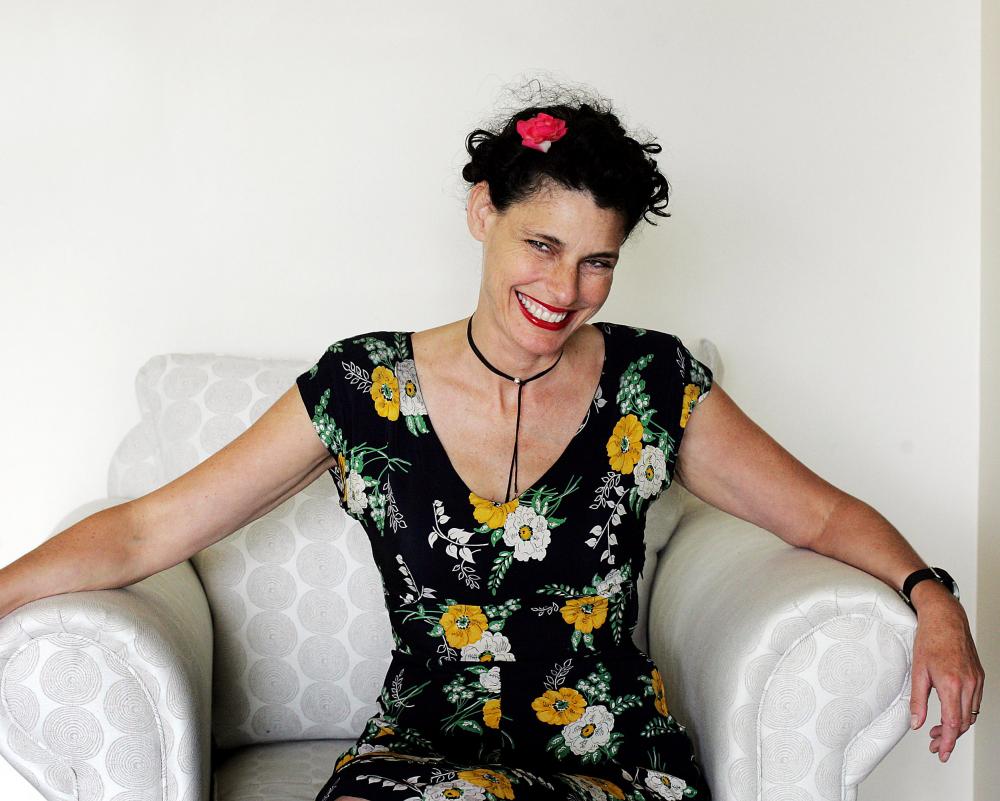
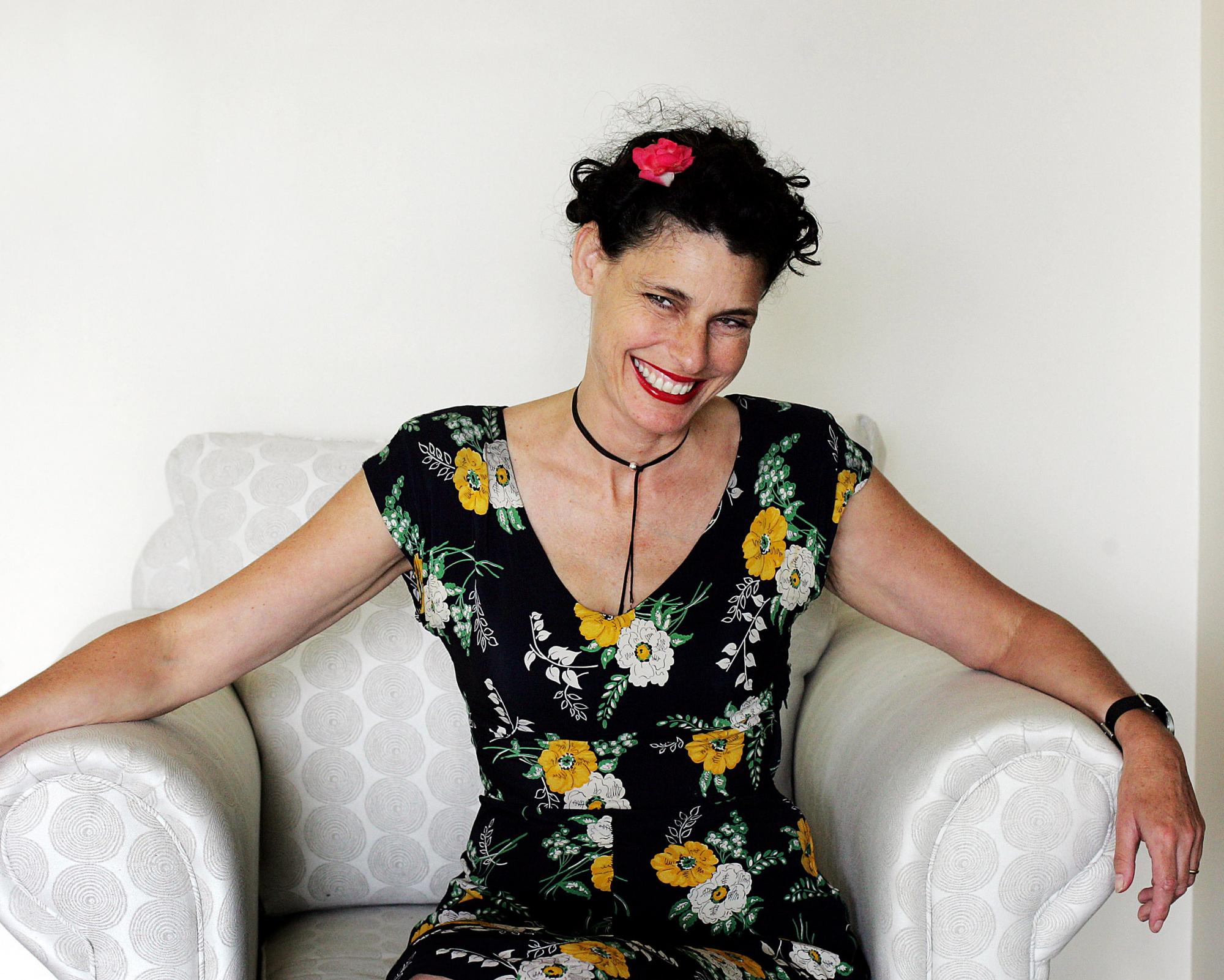
Deborah Conway, who gained fame in the 1980s as a singer-songwriter, faced backlash after publicly declaring her Zionist beliefs even before the group’s leak. She emphasized that Zionism is central to her identity as a Jew, explaining that it represents the belief that Jews have a right to exist in Israel as their ancestral homeland. However, she clarified that Zionism does not equate to support for the Israeli government. Despite this, she has encountered significant online abuse and been targeted by protesters at events.
Conway stated, “I think that idea of anti-Zionism is, in fact, a genocidal impulse.” She also shared her position: “I support Israel’s right to exist, but I don’t support all of the Israeli government’s ways of prosecuting the war. I want there to be peace and a two-state solution, but unfortunately, we’re not living in the land of unicorns and rainbows.”
Joshua Moshe described the backlash he faced as completely unrelated to his actual associations with Israel. He and his wife endured a wave of online abuse and had their business targeted, ultimately forcing them to relocate. Moshe explained, “One version of Zionism, or the one I subscribe to, is that Jews deserve a home in some part of their ancestral homeland.” He mentioned that he was effectively abandoned by others in the music industry, losing performance opportunities and facing reluctance from other musicians to collaborate on projects.
The commission continued its second week of public hearings, focusing on various definitions of antisemitism. Julie Nathan, research director for the Executive Council of Australian Jewry, testified that criticism of Israel is not inherently antisemitic, though she acknowledged that much of it can be offensive. However, she argued that criticism invoking Nazi Germany or anti-Jewish tropes should be considered antisemitic. For example, if someone uses older anti-Jewish tropes like the blood libel or claims Jews are satanic, that could be classified as antisemitic.
Nathan pointed out that no other country is compared to Nazi Germany except Israel. She also noted that pro-Palestinian protest materials, such as posters and stickers, are not inherently antisemitic but can become so depending on the context. “If a ‘free Palestine’ sticker is placed on a synagogue or outside a Jewish school, it becomes antisemitic,” she said.
Tahli Blicblau, executive director of the Dor Foundation, which was established in 2025 to combat the rise in antisemitism in Australia, focused her evidence on university campuses and online spaces. She highlighted that antisemitism did not start on 7 October 2023 but had been increasing for at least a decade, along with political and conspiratorial movements and social media. However, the speed and scale of its prevalence changed significantly after that date.
The public hearings, led by commissioner Virginia Bell, continue in Sydney. The commission aims to address the growing concerns around antisemitism and promote social cohesion in Australia.