Strategic Shift in the Automotive Industry
The automotive industry is witnessing a significant shift as high-end manufacturers grapple with slowing demand and changing consumer preferences. This transition to battery-electric performance vehicles has faced unexpected challenges, prompting several brands to reassess their strategies.
One such brand is Lotus, which has unveiled its ‘Focus 2030’ strategy. This corporate reset moves away from a strict electric-only future, instead adopting a multi-powertrain approach. The company now aims for a 60 per cent plug-in hybrid and 40 per cent battery-electric sales mix in the short term. This move is intended to ensure financial discipline and maintain market competitiveness.
The Type 135 Supercar: A New Era for Lotus
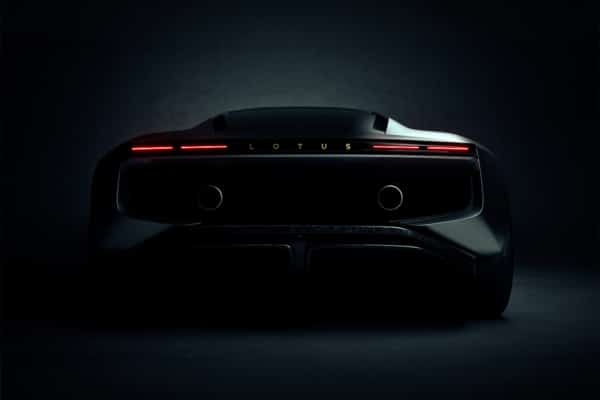
The most surprising aspect of this strategic shift is the confirmation of the Type 135, an upcoming 2028 supercar that abandons pure battery power for an all-new hybrid V8 setup producing over 1,000PS. Packaging this immense power against competitors like the Ferrari SF90 XX requires careful engineering to maintain the emotional characters that buyers expect at this price point. Whether this complex powertrain can deliver the legendary steering feedback and chassis engagement enthusiasts expect remains to be seen. However, the brand hopes its proprietary X-Hybrid technology will bridge this gap effectively.
Key Features of the Lotus Lineup
- Type 135 Supercar: This is a newly confirmed flagship arriving in 2028 featuring an all-new hybrid V8 powertrain generating over 1,000 PS.
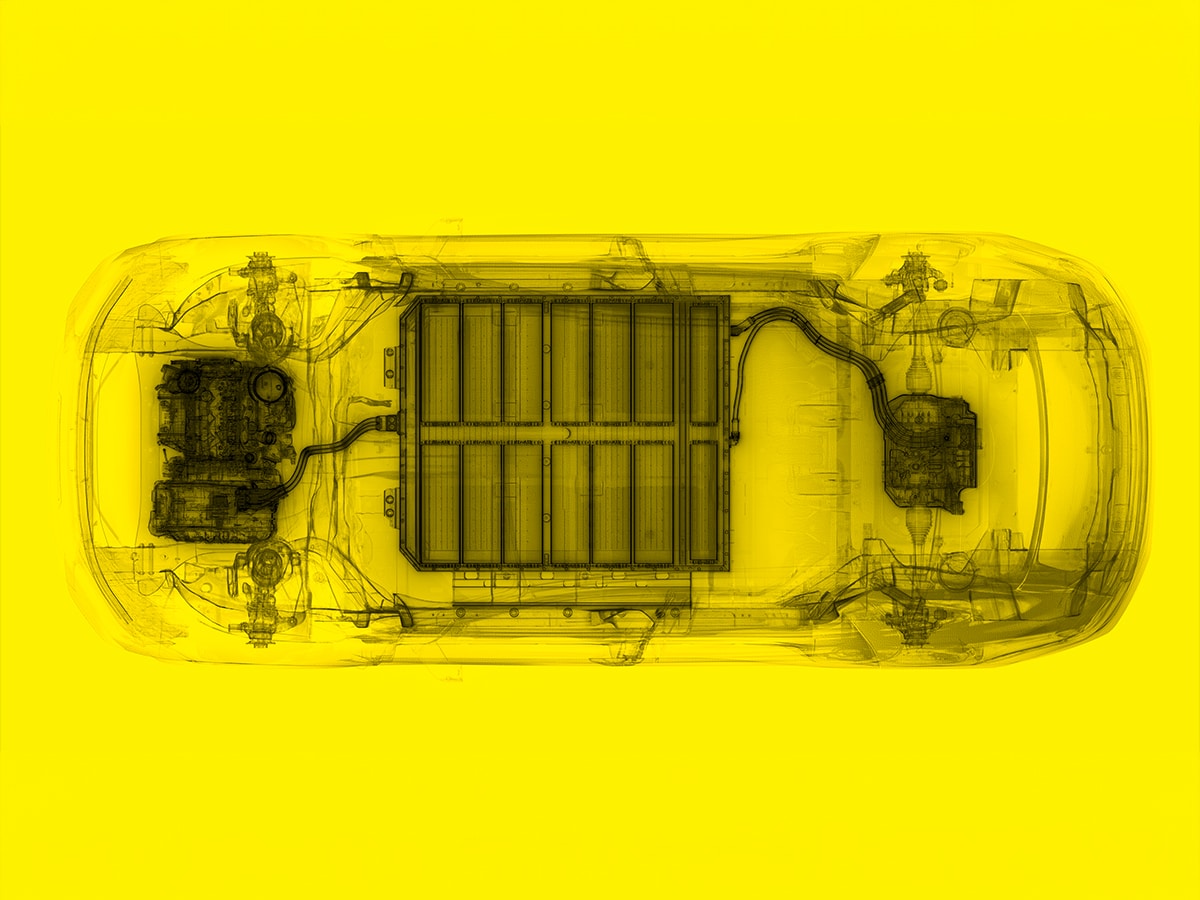
- X-Hybrid Technology (PHEV): New 900V architecture debuting on the Eletre X, delivering 952 PS, 935 Nm of torque, and a 1,200km combined range.
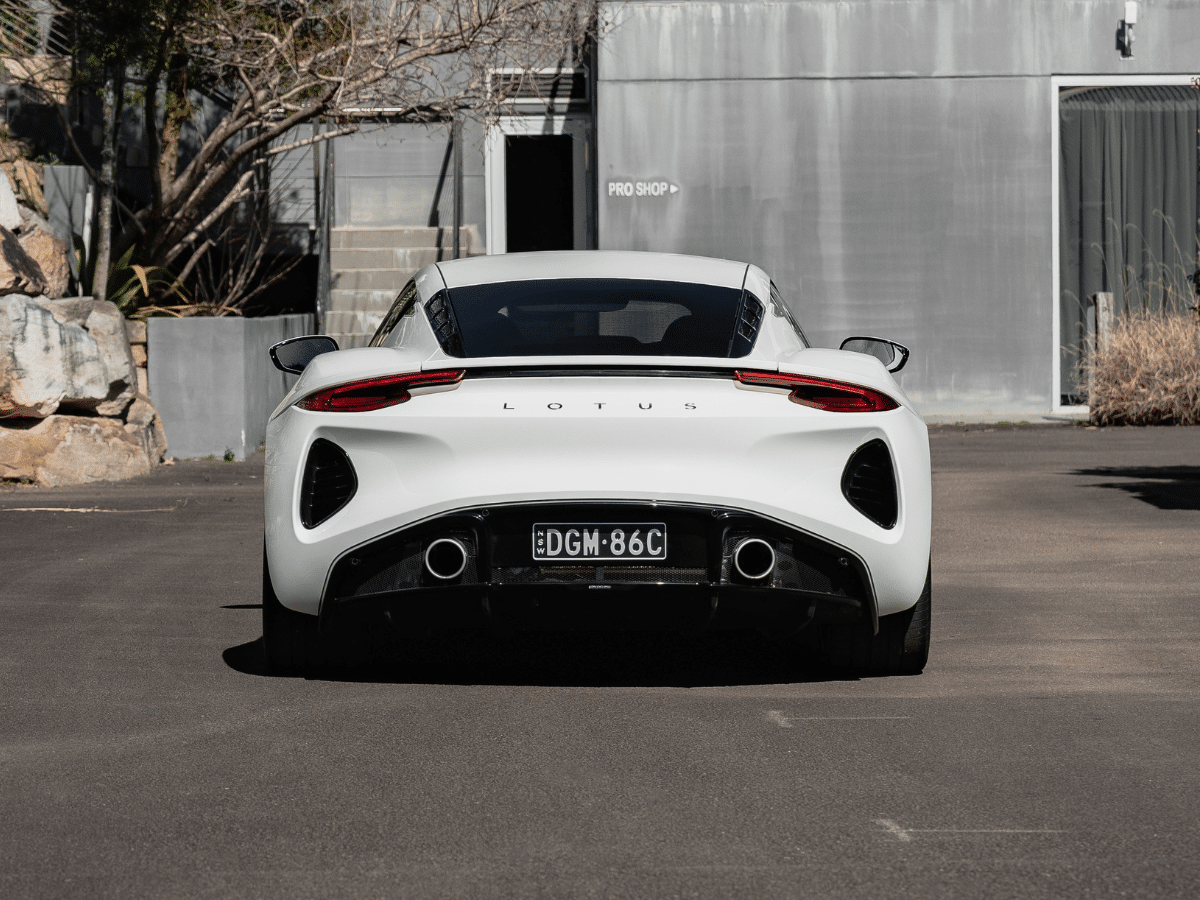
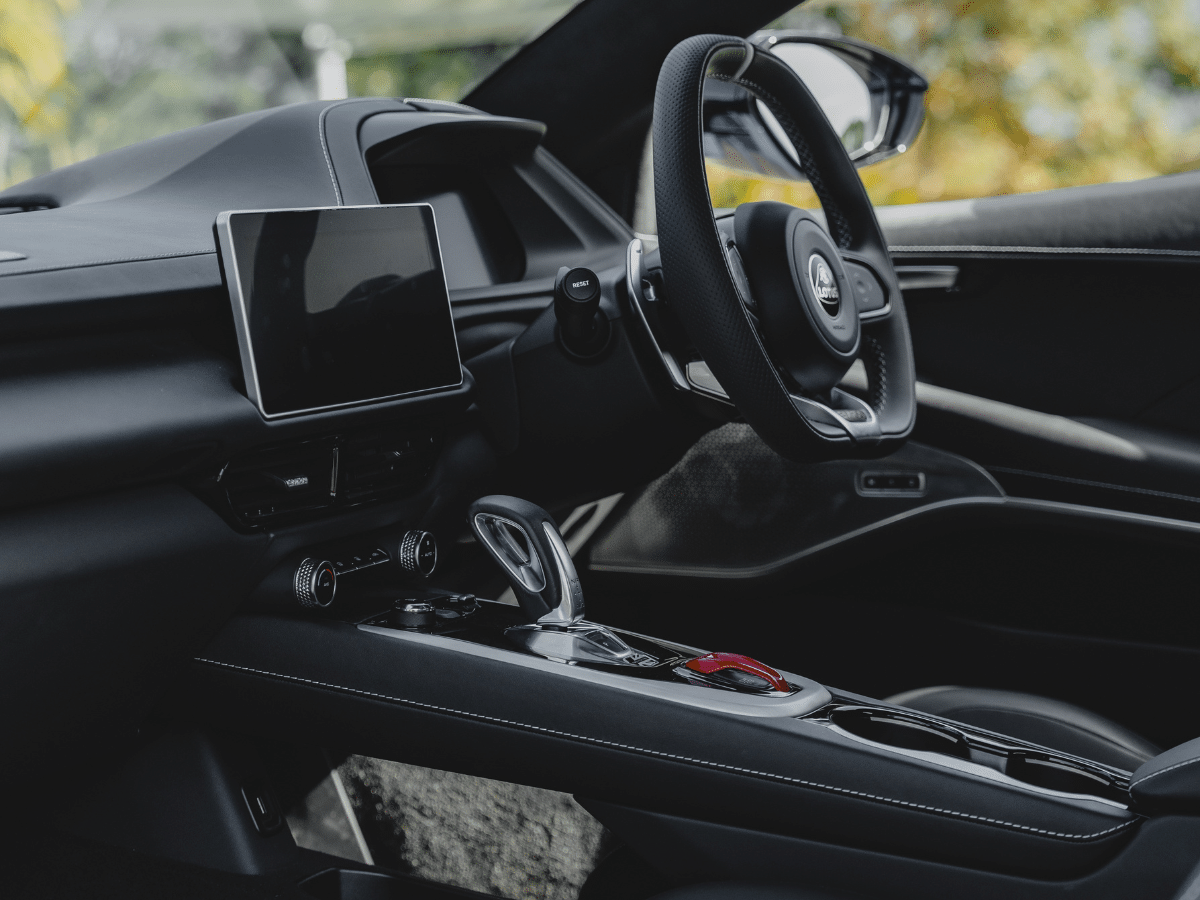
- Emira Upgrades: The combustion-powered sports car will receive an update to become the most powerful and lightest Emira ever built.
- Corporate Restructuring: Lotus UK and Lotus Technology will merge into a single entity later this year to reduce costs and streamline engineering.

Managing Weight with Advanced Technology
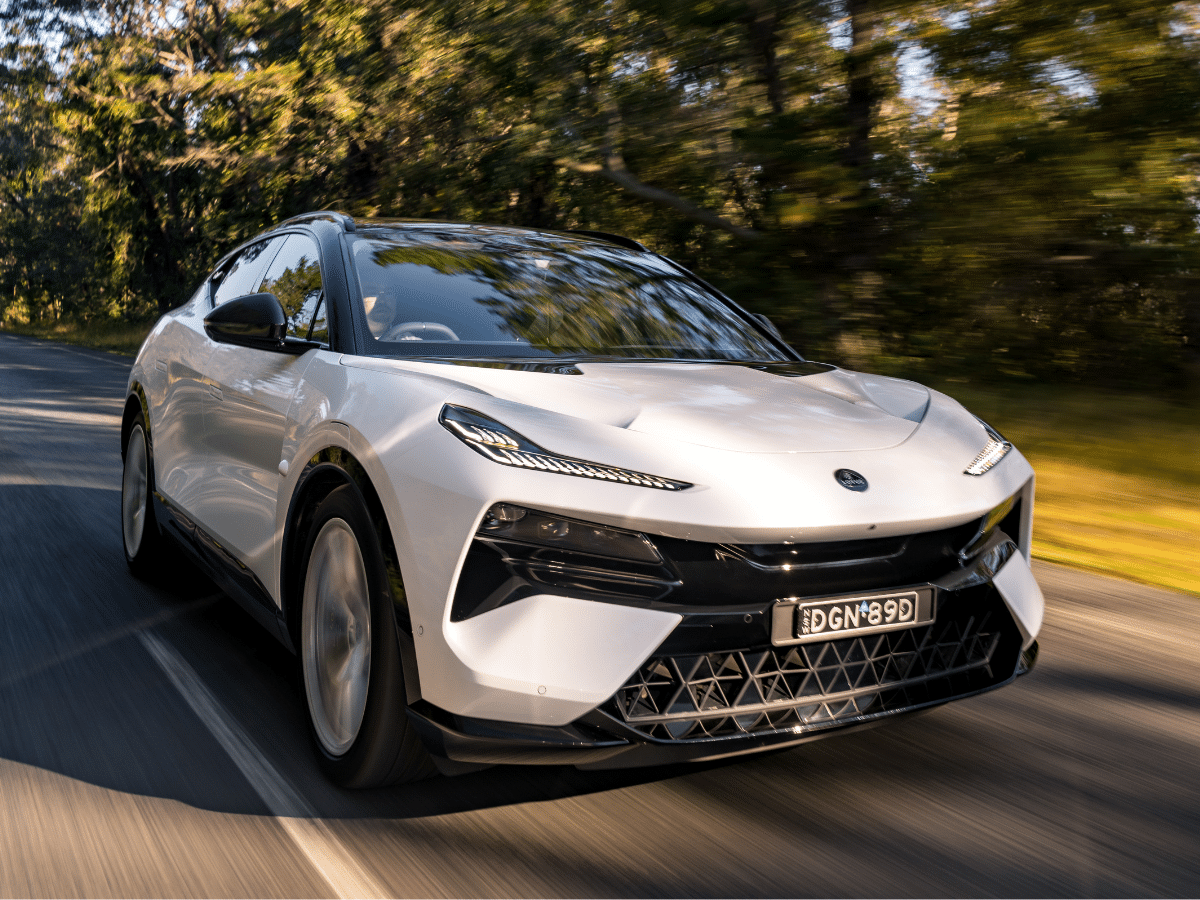
Combining internal combustion engines with large battery packs creates an inherent mass penalty, as seen in new releases like the Audi RS 5. However, engineers at Lotus will attempt to mask the Eletre X’s immense weight with a 48-volt active anti-roll system and dual-chamber air suspension. This setup utilises dual-valve dampers that react in just 2 milliseconds to maintain body control and deliver driving dynamics previously unachievable with that weight. Stopping power is provided by six-piston Brembo brakes, which should also aid this.
The high-performance 900V electrical architecture allows the 70kWh battery to fast-charge from 20 to 80 per cent in nine minutes under optimal conditions. Meanwhile, the powertrain promises sustained performance with minimal degradation, claiming a 0-100km/h sprint of 3.5 seconds even at a 10 per cent battery level.
Retaining the Combustion Engine and Racing Heritage
Lotus has a long history of experimenting beyond standard fuel solutions, dating back to the gas-turbine-powered Type 56B Formula 1 car in 1971 and the bioethanol Exige 265e concept in 2006. The decision to build the upcoming V8-powered Type 135 in Europe acknowledges that supercar buyers still covet visceral, analogue responses. Next to this announcement, the mid-engine Emira sports car’s continuity is also guaranteed, with a forthcoming update that will be the lightest and most powerful variant ever manufactured at the Hethel production hub.
Global Strategy and Market Focus
The wider strategy involves utilising research and development facilities in China to deliver rapid scale, while design and engineering remain rooted in the United Kingdom. Global markets will be targeted strategically. North America will lean on sports cars and a new SUV push in Canada. Europe will leverage the British racing heritage, while China will serve as the primary volume growth engine leveraging demand for premium new energy vehicles. The fully electric Evija hypercar, Eletre SUV, and Emeya GT remain core pillars built on early-adopted 800V architecture to satisfy existing BEV demand.
Price and Availability
Pricing for the existing combustion and electric lineup begins at £79,500 for the Emira and £84,990 for both the Eletre and Emeya models. The Eletre X plug-in hybrid has already secured over 1,000 pre-orders in China during its first month, with European customer deliveries expected to commence in the fourth quarter of 2026. The flagship Type 135 supercar is scheduled for a 2028 market launch, with exact pricing to be confirmed later this year.
Here in Australia and across the wider APAC region, the brand has established foundations, but local volume remains severely depressed. VFACTS data for Australia reveals that the manufacturer sold exactly two vehicles locally for the entire month, both Eletre SUVs. Year-to-date sales sit at a dismal five units, representing a 77.3 per cent drop compared to the same period last year. The broader automotive market dictates that prestige brands must follow buyer money rather than political mandates. When we force heritage badges into heavy, silent configurations, it proves to be a difficult commercial reality to sustain, even with an SUV.