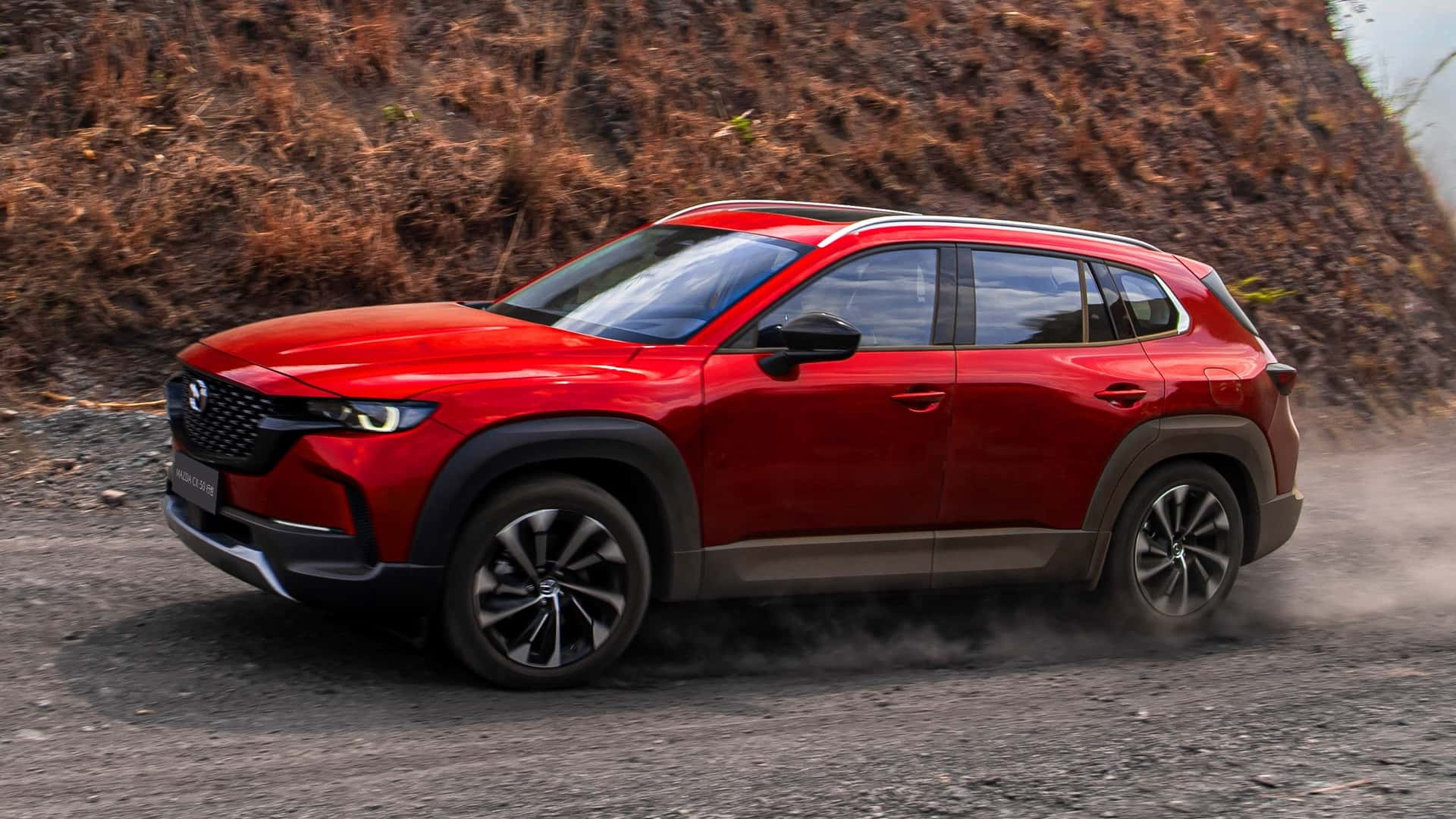
Mazda is making a strategic move towards hybrid technology as more car manufacturers reconsider their electric vehicle (EV) ambitions. While many automakers have been pushing hard to transition to fully electric models, Mazda has taken a more measured approach. This cautious strategy could prove beneficial in the long run, especially as other companies face financial challenges and scale back their EV initiatives.
Mazda has been slower than most in adopting electrification, but this delay may actually work in its favor. Unlike other brands that have invested heavily in EV production and are now struggling with losses, Mazda hasn’t committed significant resources to EV manufacturing yet. As a result, the company can pivot to hybrid technology without incurring major financial setbacks.
According to reports, Mazda is delaying its EV rollout once again. Initially, the company planned to launch its first electric vehicle in 2027, then pushed that date back to 2028. Now, it appears that Mazda’s first true battery-electric vehicle won’t be available until at least 2029. During a May 12 earnings call, Mazda CEO Masahiro Moro stated that the company made the decision before fully committing to EV production: “For battery EVs, we were always careful.” He also highlighted that Mazda won’t have to write off factories or equipment because the company hadn’t heavily invested in EV production yet.
Mazda’s (New) EV Strategy
As part of this shift, Mazda is significantly reducing its investment in EVs. The automaker is cutting its EV budget nearly in half, from approximately $12.5 billion down to $7.5 billion through 2030. Instead of focusing on a large-scale EV rollout, Mazda now expects EVs to account for around 15 percent of its total sales by the end of the decade. Annual production targets for EVs are set between 200,000 and 250,000 units, which is a substantial reduction from its previous goal of 25 to 40 percent EV sales.
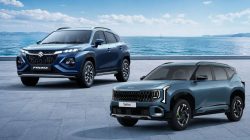
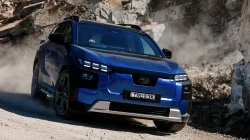
Mazda is now placing greater emphasis on hybrid vehicles, where it sees stronger demand and better profitability. The company already offers the CX-50 Hybrid in the US, which uses Toyota’s hybrid system. It also plans to introduce its own hybrid version of the CX-5. Additionally, Mazda recently confirmed the return of the smaller CX-3, which is expected to come with a hybrid powertrain as well.
Motor1’s Take:
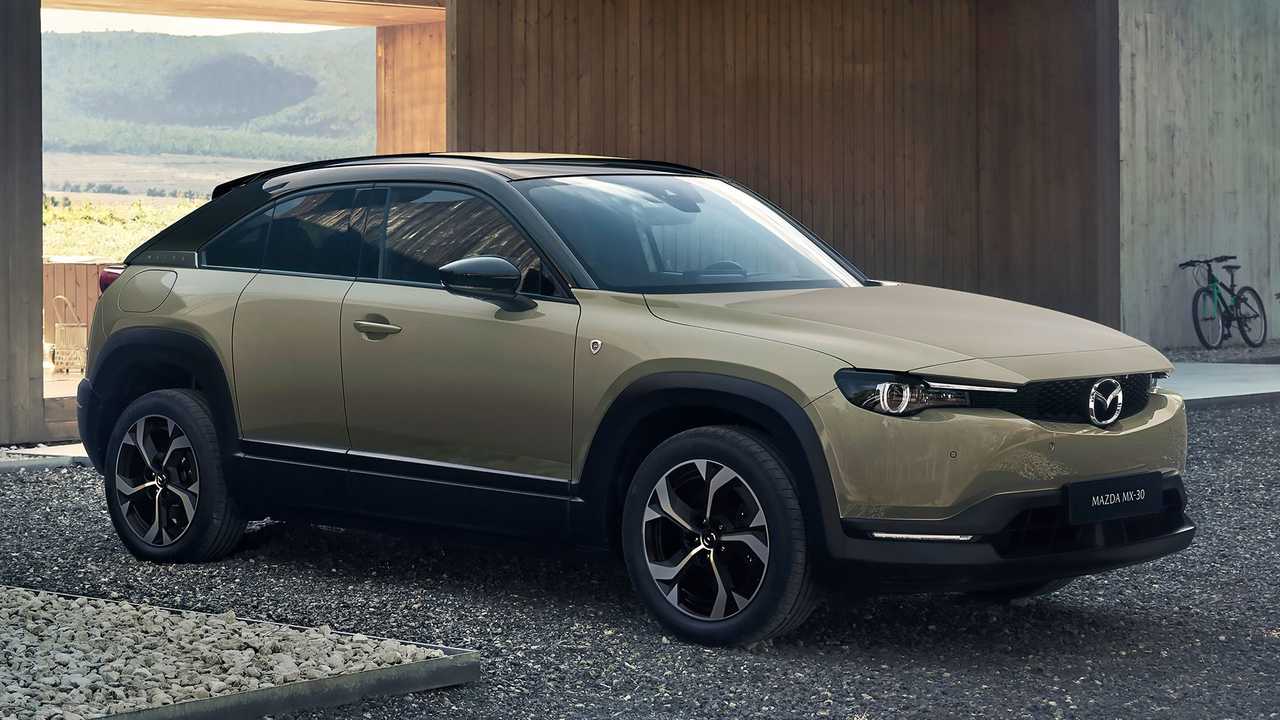
Mazda’s cautious approach to EVs seems to be paying off. After the underwhelming performance of the MX-30, the company is now focusing on developing a practical hybrid lineup before fully committing to electric vehicles. This strategy allows Mazda to remain competitive while avoiding the financial risks associated with large-scale EV investments.
The Latest From Mazda
Mazda’s Goal For The Next Miata: ‘Preserve The Car’s DNA’
‘The Focus Remains On Driving:’ Mazda Defends Its Screen-Heavy Approach