A Mother’s Fight for Vaccine Access in Australia
A mother who lost her teenage daughter to a rare disease has made it her mission to ensure every Australian child has access to a life-saving vaccine. Her story highlights the urgent need for broader vaccination programs, particularly for meningococcal B, a strain of the disease that has been responsible for a significant number of cases in recent years.
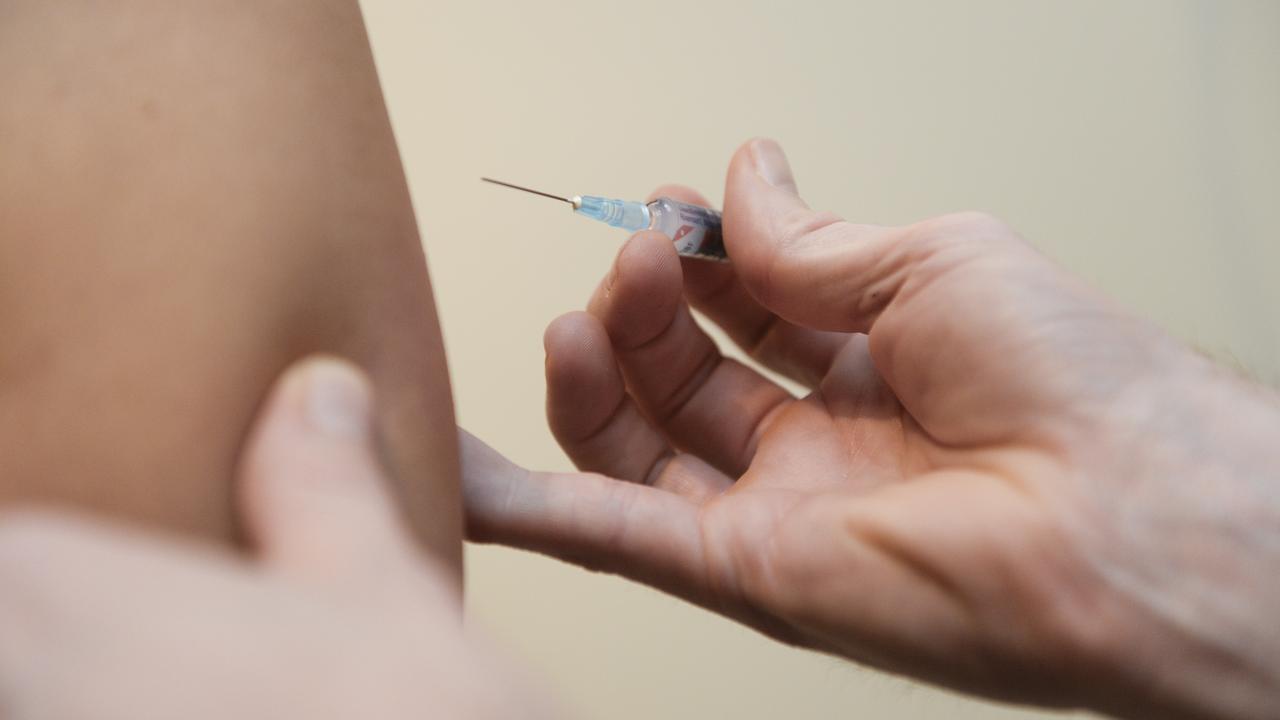
Victoria has allocated $9.4 million to vaccinate Year 10 students, or children of a similar age, against meningococcal B starting from January 1. This move is aimed at addressing a critical gap in the current immunisation program. Meningococcal B is the most prevalent strain in Australia, accounting for at least 80% of cases in 2022, 2023, and 2024. The disease can be deadly, with between five to 10% of patients dying, and another 10 to 20% suffering from brain damage, hearing loss, or learning disabilities.
Currently, the national immunisation program provides free vaccines for meningococcal A, C, W, and Y strains for all children and young people. However, the meningococcal B vaccine is only free for Indigenous children under one year old and for Indigenous and non-Indigenous children aged two and under with specific medical conditions. In some states like the Northern Territory, South Australia, and Queensland, babies and teens are covered under state-based regimes, but parents in other areas face out-of-pocket costs of between $110 and $150 per dose.
Tragedy and Advocacy
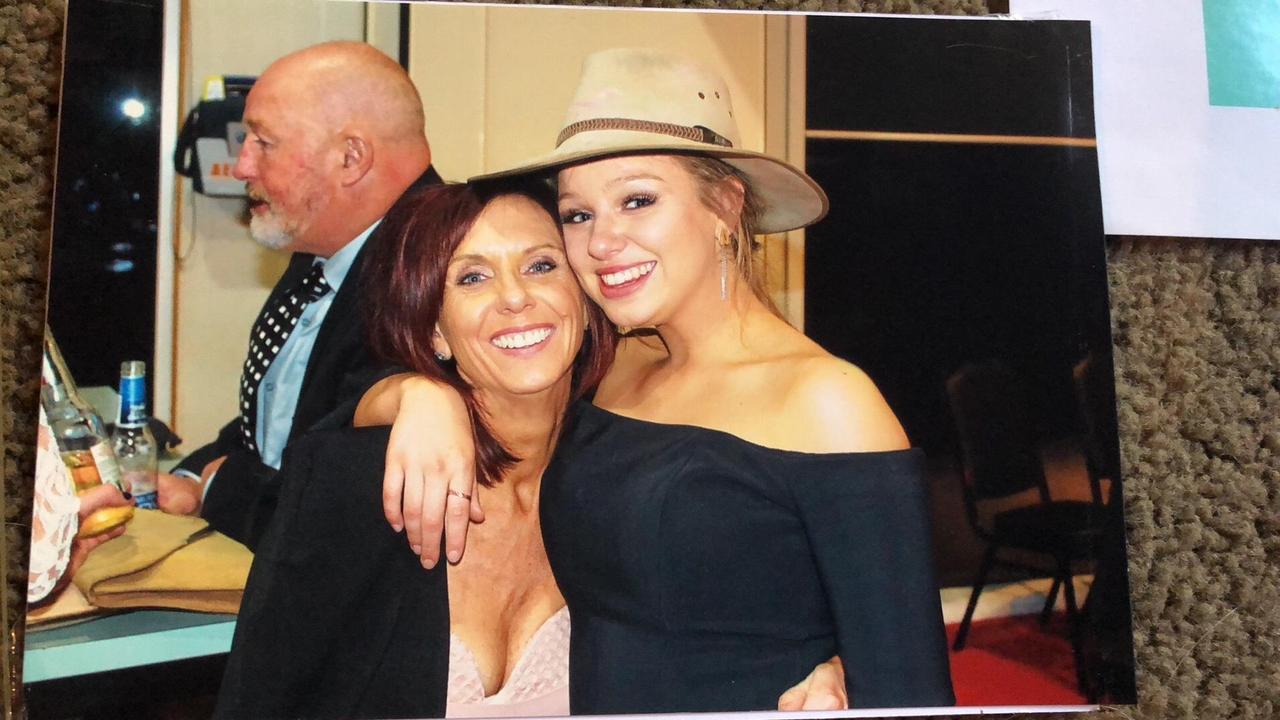
The tragic death of 19-year-old Emma-Kate McGrath in 2017 brought attention to the risks associated with meningococcal disease. She died from meningococcal septicaemia W just 15 hours after falling ill. Emma-Kate had recently returned to Australia after completing two weeks of charity work in Cambodia. She had been vaccinated for meningococcal C but not for other strains of the disease.
Her mother, Victoria McGrath, described the illness as “just like a freight-train running through her body.” The 4EK Foundation, established in memory of Emma-Kate, has since campaigned for expanded free access to meningococcal vaccines, including the B strain. “I’d like to see every child in Australia be immunised against this,” Ms McGrath said. “Every state needs to do it.”
The vaccine gap became even more apparent following the death of 16-year-old Melbourne boy Levi Syer, who succumbed to meningococcal B in September. His mother, Norliah Syer-Peterson, launched a petition to make the vaccine free for all, which gained over 41,000 signatures and support from the Royal Australian College of General Practitioners.
Calls for National Action
Anita Munoz, chair of the Royal Australian College of General Practitioners, emphasized that cost should not be a barrier to accessing the meningococcal B vaccine. “We should not have a postcode lottery,” she said, calling for the vaccine to be made free or at least subsidised nationally.
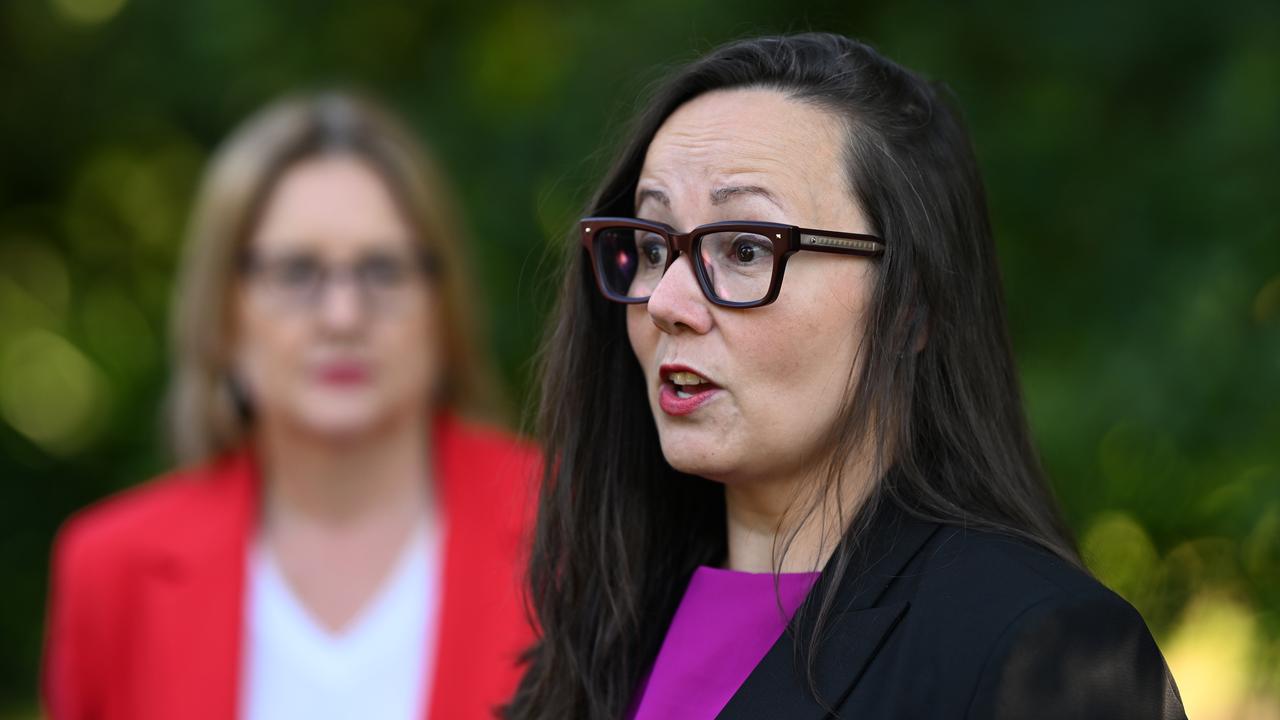
Health Minister Harriet Shing defended Victoria’s funding commitment, which currently covers only the Year 10 cohort for one year. “We’re continuing to advocate to the commonwealth to consider adding this important vaccine to the National Immunisation Program,” she stated.
However, opposition health spokeswoman Georgie Crozier criticized the state government’s policy as “piecemeal.” “It’s a one-off announcement for one group,” she said. The state opposition has pledged to cover the cost of the meningococcal B vaccine for all infants aged six weeks to 12 months and adolescents in Year 10, as well as a catch-up program for other children.