Experts have identified a potential solution to an “unprecedented” surge in wild mushroom poisonings that has been reported across California. Since November 2025, there have been 47 cases of severe poisonings and four deaths recorded statewide, according to the Napa County Public Health Officer.
“Recent rains have contributed to the resurgence of poisonous wild mushrooms in California, including in Napa,” said Dr Christine Wu. “Poisonous mushrooms can look and taste similar to safe mushrooms, and even experienced mushroom hunters have been affected by this outbreak.”
Wu’s warning comes after three adults were hospitalized over the weekend after eating poisonous wild mushrooms foraged in the Deer Park area, in Napa County. However, she emphasizes that poisonous mushrooms can be found anywhere, not just in specific locations.
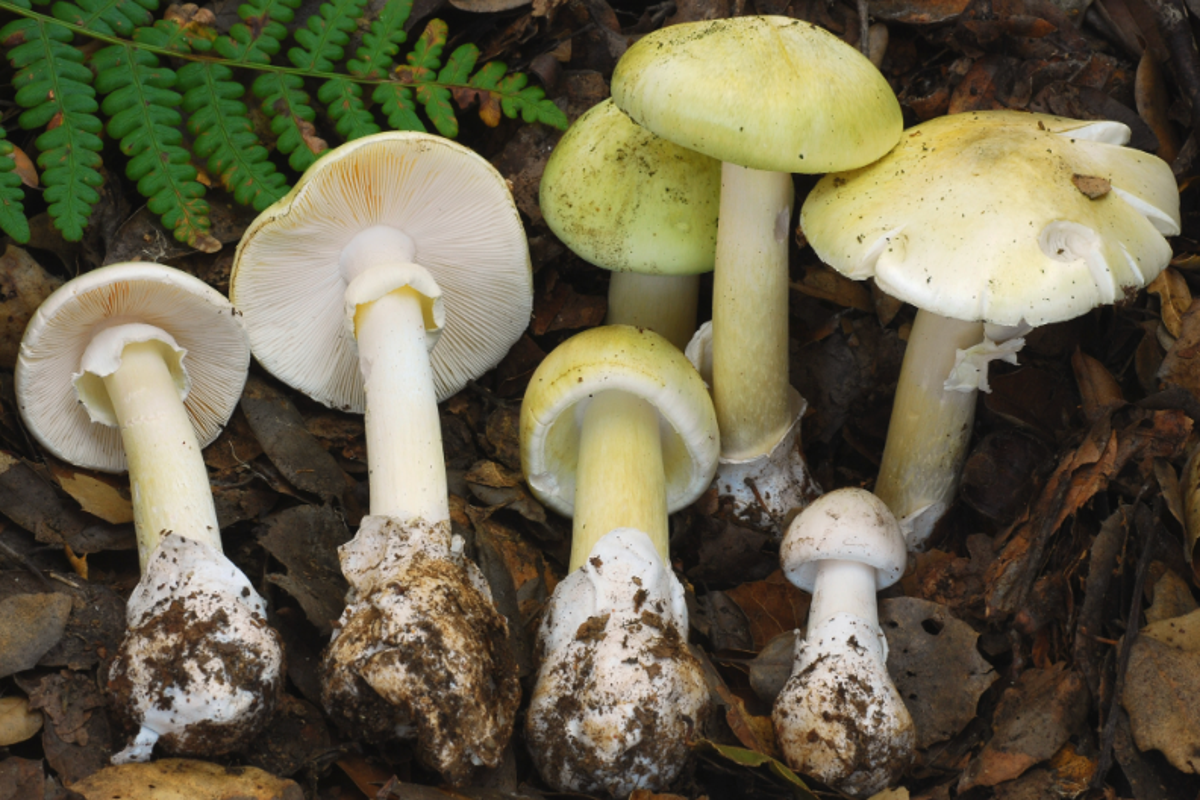
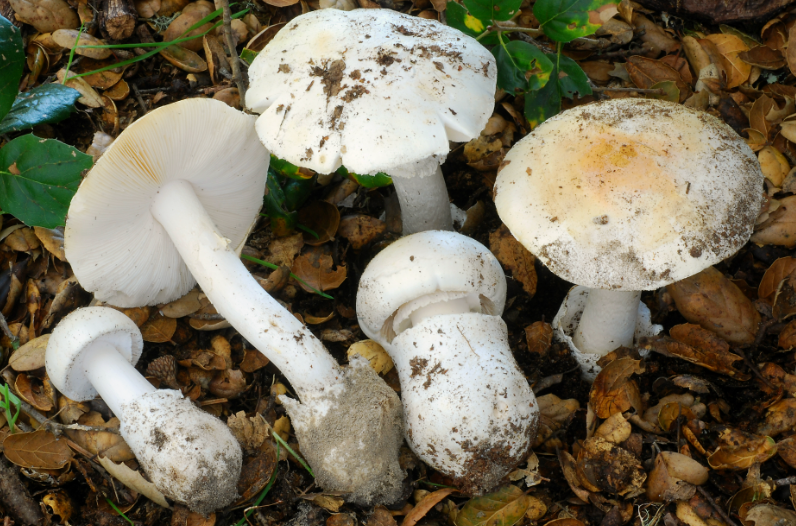
The two fungi types responsible for the illness are the Death Cap and Western Destroying Angel mushrooms, according to the California Department of Public Health (CDPH). These mushrooms contain a group of toxins called amatoxins, which can cause severe damage to the liver and even death in the most serious cases, according to Craig Smollin, medical director of the San Francisco Division of the California Poison Control System.
Symptoms of mushroom poisoning may not appear until up to 24 hours after consumption, and can include nausea, vomiting, diarrhea, and cramping. The CDPH warns that poisonous mushrooms can closely resemble those available in grocery stores, making it difficult for even experienced foragers to distinguish between safe and dangerous varieties.
The CDPH also highlights that individuals who have moved to California from countries where they are accustomed to foraging face “serious risk” of mistaking local mushrooms for safe ones. This is particularly concerning given the increased number of cases observed this year.
Smollin, who also works at U.C. San Francisco, told SFGATE that California typically sees around five cases of poisoning per year on average. However, the current outbreak has lasted longer than usual and is unusually large and widespread. He attributes this to the increased rainfall, which may have allowed for another crop of these mushrooms to grow.
“It’s possible that allowed for another crop of these mushrooms to come up. It’s not unheard of that these mushrooms can grow year-round, not just during the rainy season,” Smollin said.
To prevent poisoning, the CDPH advises against eating any wild mushrooms. They also recommend that parents closely monitor children playing in areas where wild mushrooms grow, as well as keep pets away from such locations. Animals can also be poisoned by consuming toxic mushrooms.
It is important to note that cooking, boiling, freezing, or drying poisonous mushrooms does not make them safe to eat. These methods do not neutralize the toxins present in the mushrooms.
The CDPH continues to urge caution and awareness among residents and visitors alike. With the recent increase in cases, it is more important than ever to avoid foraging for wild mushrooms unless done under the guidance of a qualified expert. The agency encourages people to report any suspected cases of mushroom poisoning to local health authorities immediately.
In addition to public health warnings, the CDPH is working to educate the community about the risks associated with wild mushroom consumption. They emphasize that even small amounts of toxic mushrooms can lead to severe health complications, and in some cases, death.
As the season progresses, experts advise individuals to remain vigilant and avoid any temptation to consume wild mushrooms without proper knowledge and supervision. The combination of favorable weather conditions and increased foraging activity has created a perfect storm for mushroom poisoning incidents, making prevention more critical than ever.
For those who are interested in foraging, the CDPH recommends attending local workshops or consulting with mycologists to learn how to identify safe and unsafe species. These resources can provide valuable information and help reduce the risk of accidental poisoning.
Ultimately, the best way to protect oneself and one’s family from the dangers of wild mushroom poisoning is to avoid eating any mushrooms that have not been positively identified as safe by a reliable source. By taking this precaution, individuals can enjoy the natural beauty of California’s forests while staying safe from the hidden dangers that lie beneath the surface.