Improving Accessibility in Aviation for Neurodivergent Travelers
Over the past decade, the aviation industry has made significant progress in enhancing accessibility for passengers with special needs, particularly those with hidden disabilities such as autism. Air travel can be especially challenging for neurodivergent individuals due to the crowded and high-sensory environments often found in airports and on flights.
According to a survey by Autism Travel, 78 per cent of families admitted they are hesitant to travel or visit new places. Furthermore, 94 per cent of respondents said they would take more vacations if staff were trained and certified to support autistic passengers. In response to these concerns, the industry is increasingly focusing on creating more inclusive travel experiences.
Initiatives by Major Airlines
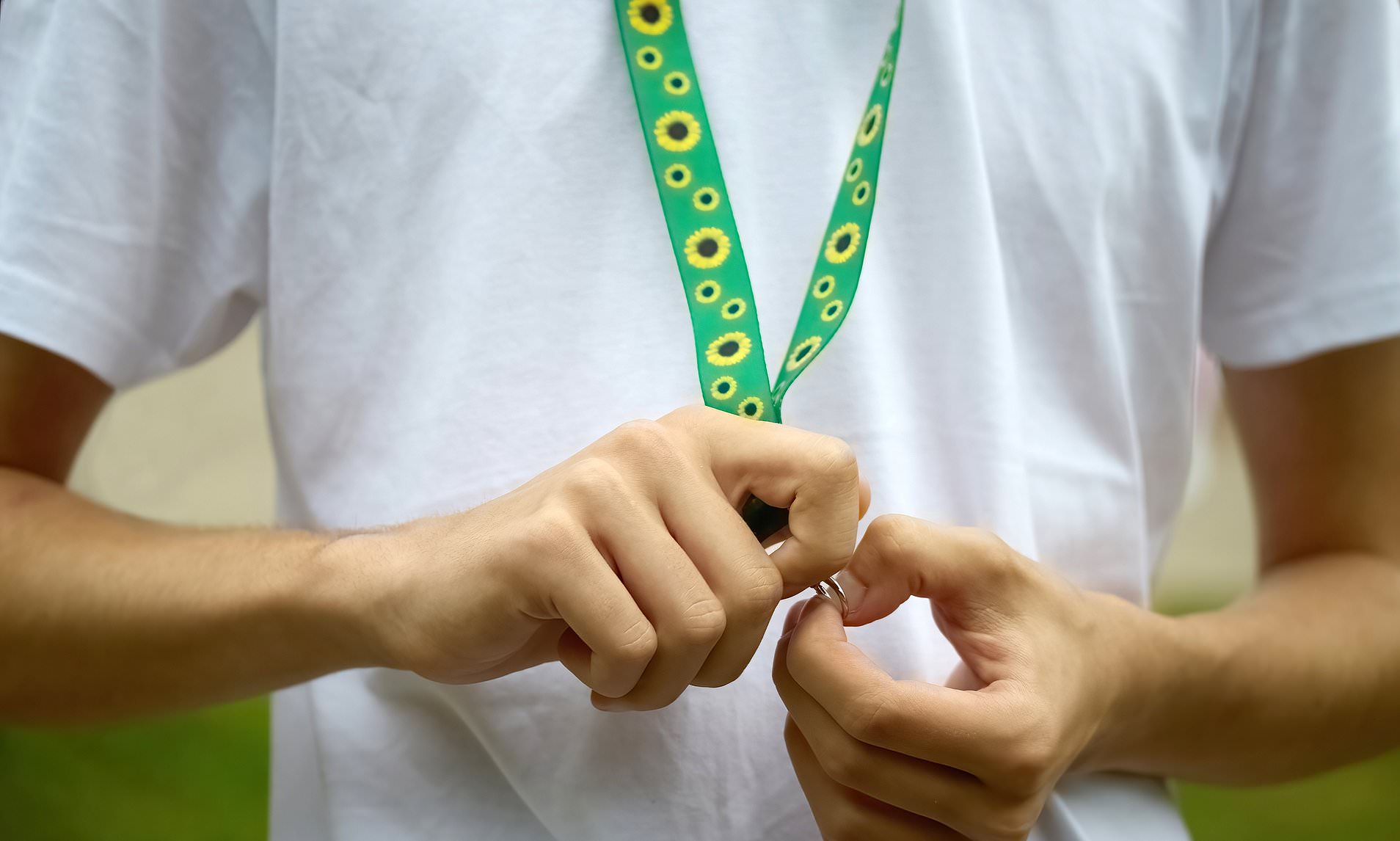
Airports around the world are introducing sensory rooms and quiet spaces, alongside specialized staff training to better support passengers with non-visible disabilities. Many airlines and airports, including British Airways and Aer Lingus, recognize the Hidden Disabilities Sunflower lanyard scheme, which allows passengers to request additional assistance when needed.
Virgin Atlantic is taking further steps to support neurodivergent travelers by training all cabin crew on how to assist passengers with autism and their families. The airline is partnering with Autism Double-Checked, an organization that helps travel companies become more autism-friendly. This program will be incorporated into Virgin Atlantic’s annual training, making it one of the latest carriers to introduce specialized autism training.
Leading Airlines in Autism-Friendly Practices
British Airways
British Airways was the first UK airline to officially recognize the Hidden Disabilities Sunflower lanyard. Staff are trained to identify non-visible disabilities and provide appropriate assistance. The airline also became the first UK carrier to receive an Autism Friendly Award from the National Autistic Society and offers visual flight guides for autistic passengers.
In 2018, British Airways launched its ‘Beyond Accessibility’ campaign, providing customer-facing staff with digital learning tools covering visible and non-visible disabilities, along with advice on supporting passengers throughout their journey.
Virgin Atlantic
In May 2026, Virgin Atlantic introduced an accredited Autism Awareness training program for all cabin crew in partnership with Autism Double-Checked. The training includes digital modules on understanding autism, recognizing signs of distress, adapting communication styles, and offering reassurance.
The airline plans to extend the program to ground staff later this year. Becky Woodmansee, chief people officer at Virgin Atlantic, stated that the program was developed by listening to customers and working with autism specialists, as well as employees with personal experience of autism.
Emirates
Emirates became the world’s first Autism Certified Airline in April 2025. Ground staff and cabin crew now complete focused autism and sensory awareness training. The airline also introduced digital “sensory guides” to help travelers understand and prepare for sensory experiences at Dubai Airport and onboard flights.
In 2024, all four Emirates check-in facilities at Dubai International Airport received Certified Autism Center status, while Dubai Airport itself became the first international airport to earn the designation in 2023.
Aer Lingus
As of early 2025, Aer Lingus introduced training to help staff better support passengers with autism, anxiety, and ADHD. The airline partnered with the Kinney Center for Autism Education and Support to create visual, step-by-step travel guides for passengers. It also offers early boarding, additional assistance through its Special Assistance Request Form, and hosts practice airport experiences for families before traveling.
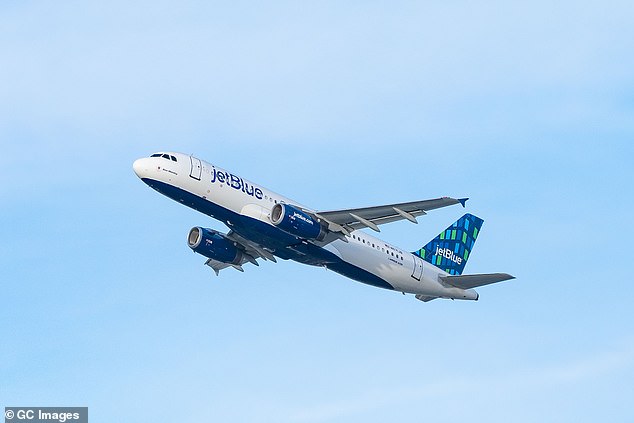
JetBlue
JetBlue runs its ‘Blue Horizons for Autism’ program in partnership with The Charles River Center, helping train crew members to support passengers with special needs. The airline also offers sensory kits and hosts ‘Wings for Autism’ practice boarding events, allowing families to experience the airport and boarding process before flying.
LATAM Airlines
LATAM Airlines has trained over 10,000 employees through Autism Double-Checked certification programs focused on supporting passengers with Autism Spectrum Disorder (ASD). The airline provides specialized travel guides, practical boarding simulations, and implements the Hidden Disabilities Sunflower program.
Breeze Airways
In 2024, Breeze Airways became the first US commercial airline certified by Autism Double-Checked. Flight attendants, pilots, and customer-facing ground staff receive specialized training on supporting neurodivergent passengers. The airline also hosts practice boarding events and introduced an ‘Autism Passport’ to allow passengers to share specific needs before flying.
Jet2
Jet2 provides training for cabin crew and customer helpers on supporting passengers with hidden disabilities, including autism. The airline offers assisted travel services such as priority boarding and tailored support, which can be arranged in advance to create a smoother and more comfortable travel experience.