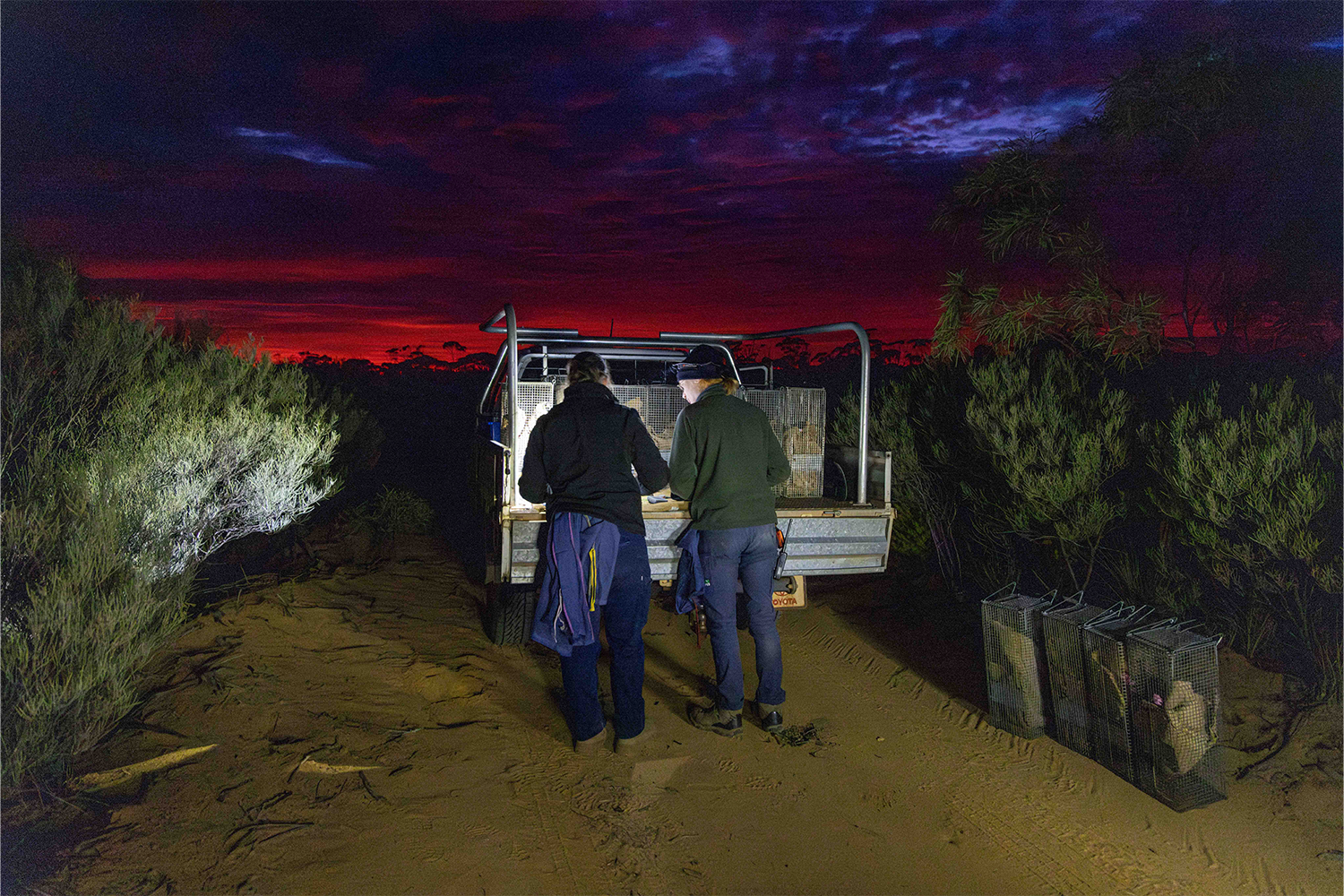
A rare Australian mammal has returned to a region where it was pushed to the brink of extinction 100 years ago.
Since 2025, woylies, also known as the brush-tailed bettong, have been regularly detected across Western Australia’s sprawling Wheatbelt region.
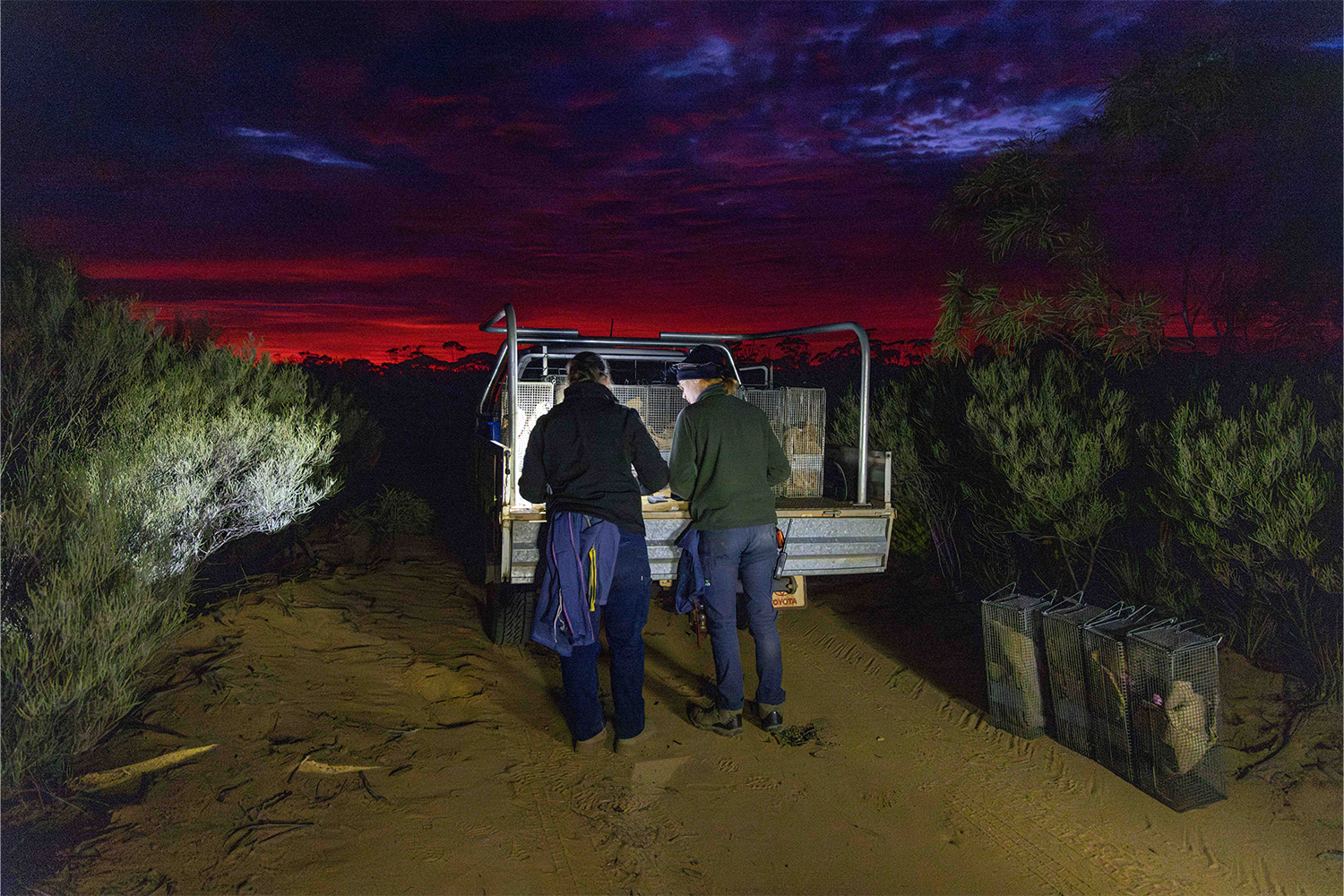
That year, 147 were reintroduced into the wild by ecologists from the non-profit Australian Wildlife Conservancy (AWC).
Aliesha Dodson, a field ecologist, revealed the species has since been detected over 100 times and has spread across 6,500 hectares.
“They’re surviving, exploring the habitat, and really getting settled,” she said.
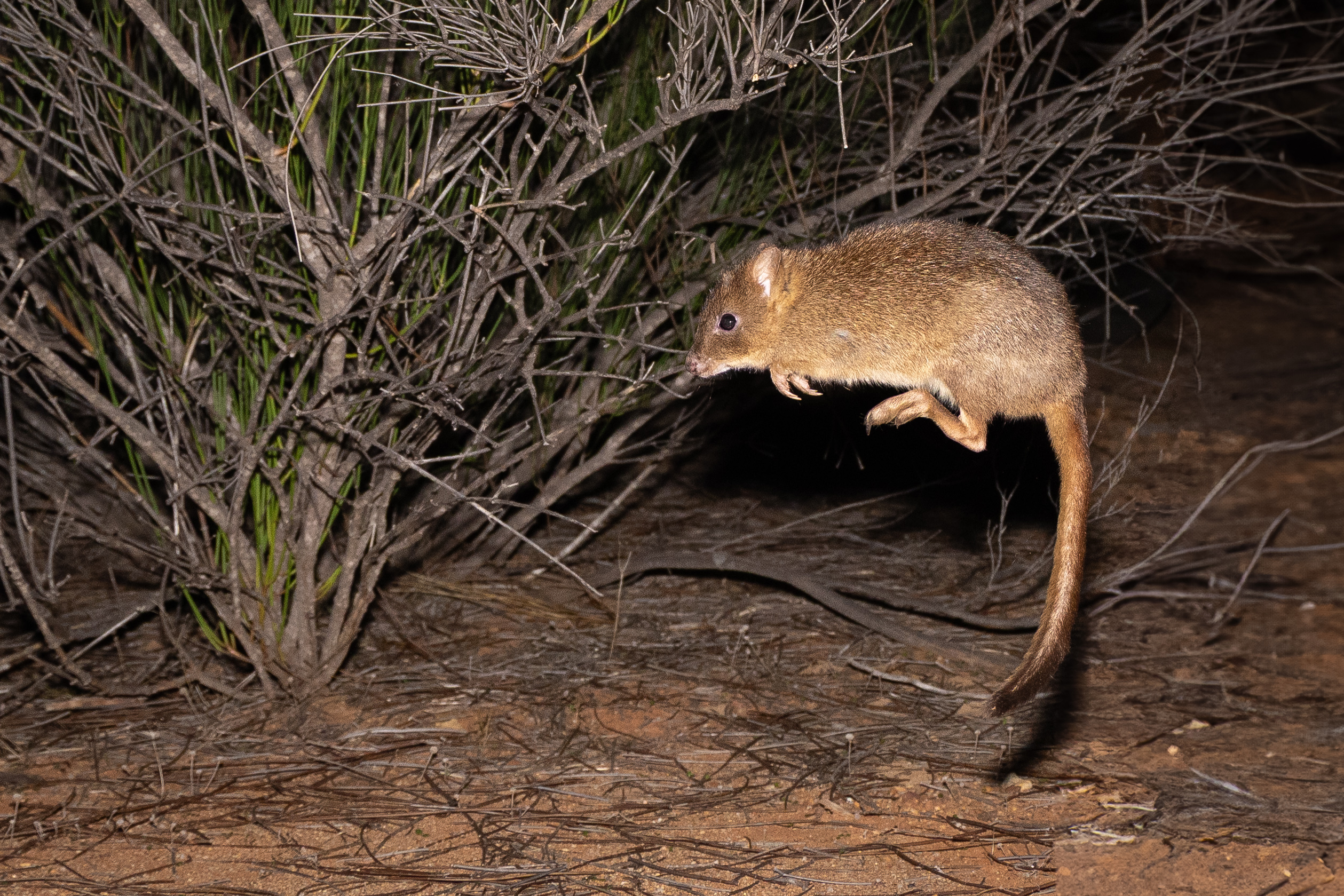
Woylies are about the size of a rabbit, but they can jump twice as well, reaching heights of over two metres.
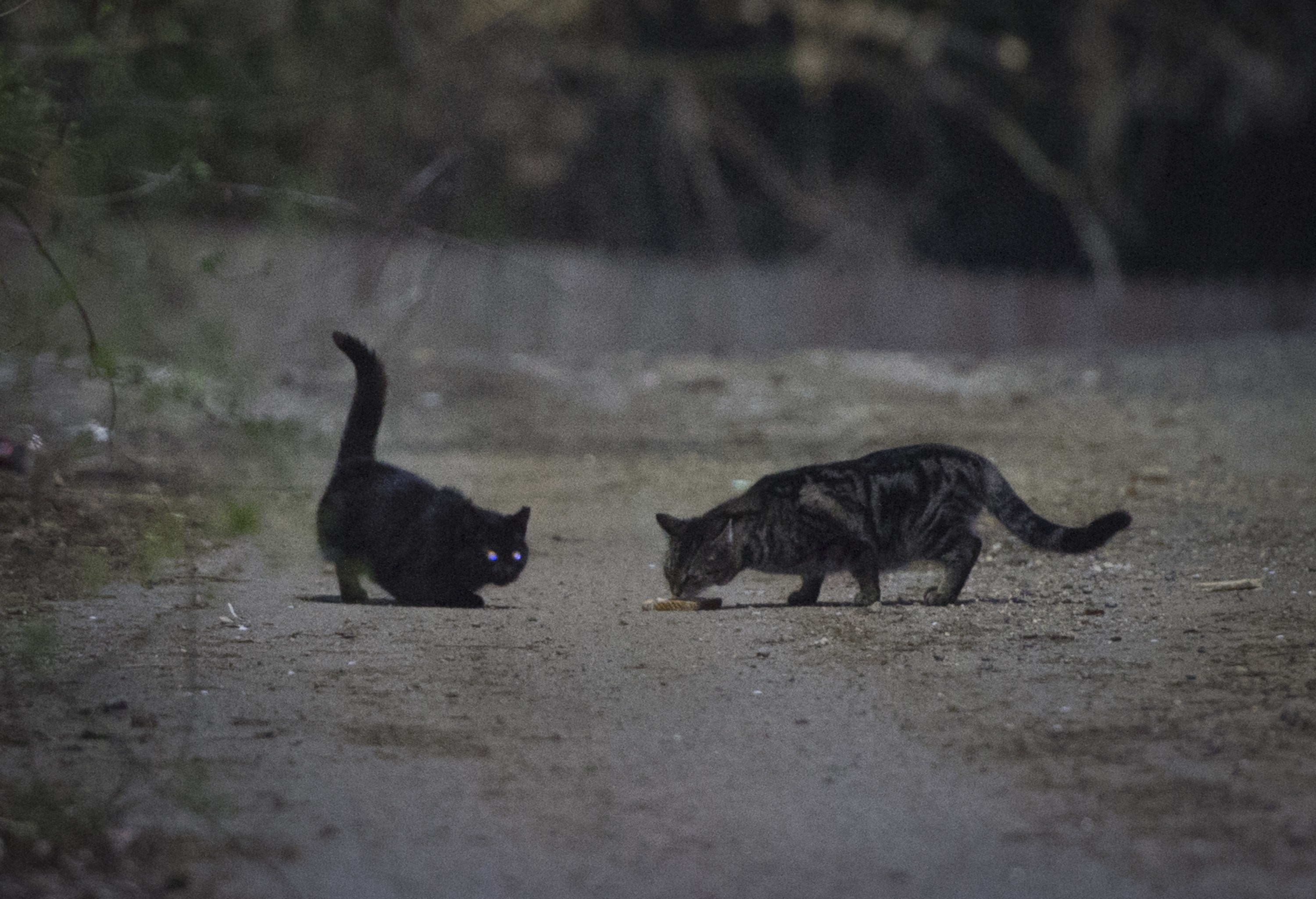
But unlike their European fluffy counterparts, they proved no match for the invasion of predatory cats and foxes, and the destruction of habitat for farming and housing.
Can all mammals survive outside a predator-proof fence?
Woylies had been widespread and used as a food source by First Peoples for thousands of years, and later by European settlers, but by 1923, it was surviving only in tiny, fragmented pockets of forest in southwest Western Australia.
It’s been a similar story for many Australian mammals, such as the quokka, which have primarily survived in remnant populations on islands or in isolated mainland habitats.
But 39 mammal species were unable to adapt and have been completely wiped out since 1788.
Have you photographed a rare animal? Contact [email protected]
Are these wild woylies healthy?
Between 2015 and 2018, ACW reintroduced woylies into its 7,830-hectare predator-proof Mount Gibson sanctuary on the Wheatbelt.
Without the threat of invasive predators, they bred from 162 individuals to over 1,000 over 10 years.
RELATED
Termite mound in rural Australia protected by twin electric fences
Bubbles emerging around elusive animal off coast sparks incredible theory
Haunting roadside photo reveals wild Aussie animal’s incredible behaviour
Other native mammals, such as the banded hare-wallaby and Shark Bay bandicoot, cannot survive outside fenced areas.
But by reducing cat numbers outside the predator-proof zone, the woylie has been able to flourish and even reproduce.
Those given health checks have been discovered to be gaining weight.
Have other animals come back from localised extinction?
It’s the third species, along with the brushtail possum and western quoll, that’s been successfully reintroduced to the area, following localised extinction.
AWC ecologist Dr Amanda Bourne said the predator-proof sanctuaries are a perfect “springboard” for releasing native species to create “broader landscape-scale restoration”.
“For these animals, safe havens will remain essential for the foreseeable future,” she added.
You can also follow us on Facebook, Instagram, TikTok, X and YouTube.
This article originally appeared on Yahoo News Australia at https://au.news.yahoo.com/aussie-animal-rapidly-spreads-across-6500-hectares-beyond-predator-proof-fence-021400368.html