A Bizarre Plan to Clone a Champion Polo Pony
Sarah Ferguson, the former Duchess of York, has been linked to a peculiar plan involving the cloning of a champion polo pony. This idea emerged as part of her efforts to address her financial difficulties, according to her cousin. The spendthrift 66-year-old had long relied on financial support from Jeffrey Epstein and used her royal status to gain access to wealthy social circles.
However, as she became increasingly associated with the disgraced financier, her financial situation deteriorated. It was at this point that she conceived the idea of cloning a long-dead champion polo pony that once belonged to her mother. She planned to sell the resulting foals for up to £750,000 each to wealthy enthusiasts of the equine sport.
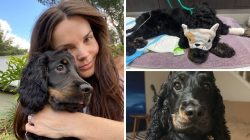
This plan came to light just weeks after it was revealed that Fergie had also considered cloning two Corgis that had belonged to the late Queen. These dogs were entrusted to her care after the monarch’s death in 2022. Her interest in cloning extended beyond ponies and dogs; she even explored the possibility of creating a business around cloned animals.
The Role of Martin Barrantes
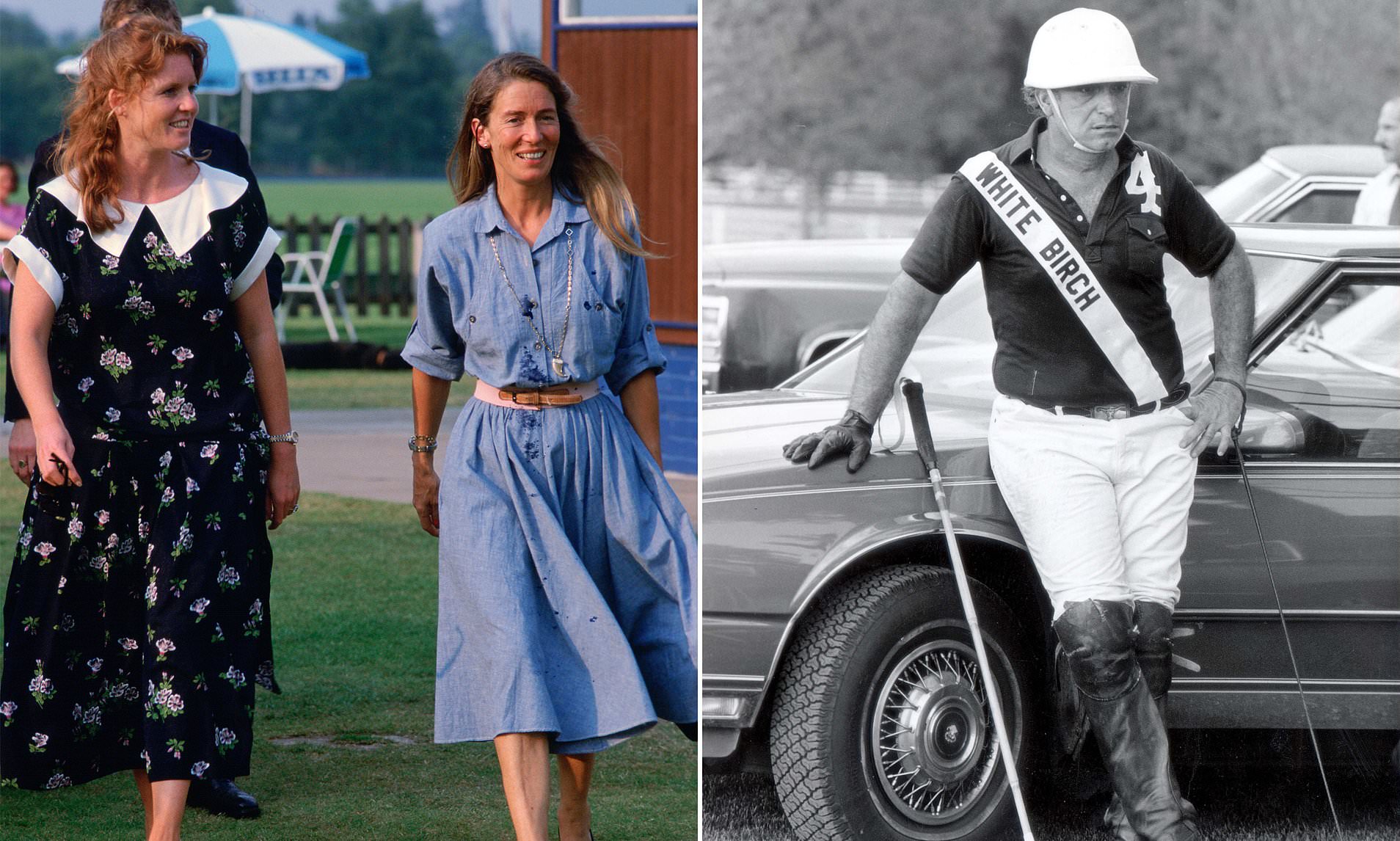
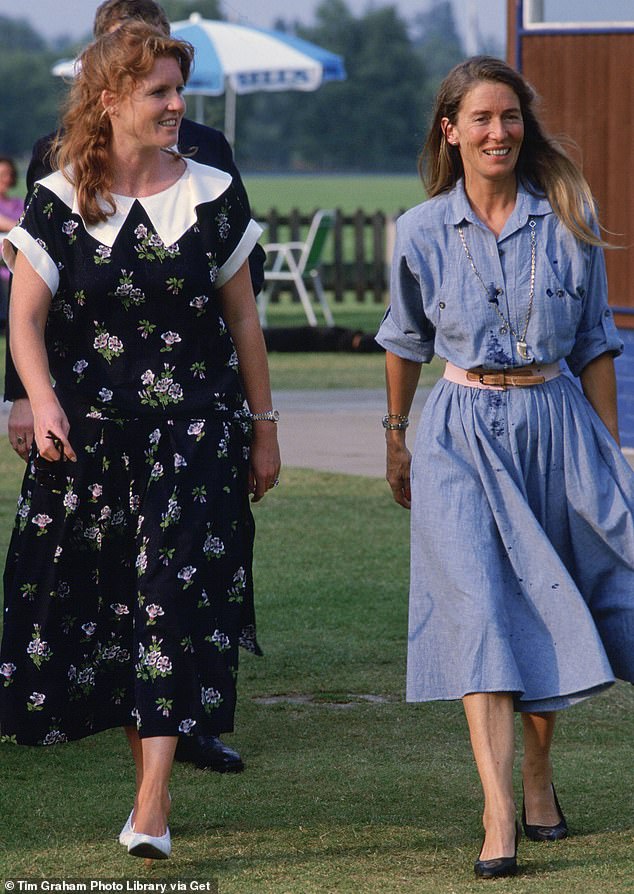
Central to Fergie’s plan was Martin Barrantes, her cousin by marriage, who is an expert in cloning. He had already produced polo ponies using cloning techniques and had discussed the idea of using DNA from her mother’s prize-winning horse, Luna.
Mr. Barrantes, an Argentine scientist and breeder, explained that Luna was a very famous horse, known for her success in polo tournaments. He mentioned that he and Fergie had discussed the idea of cloning Luna.
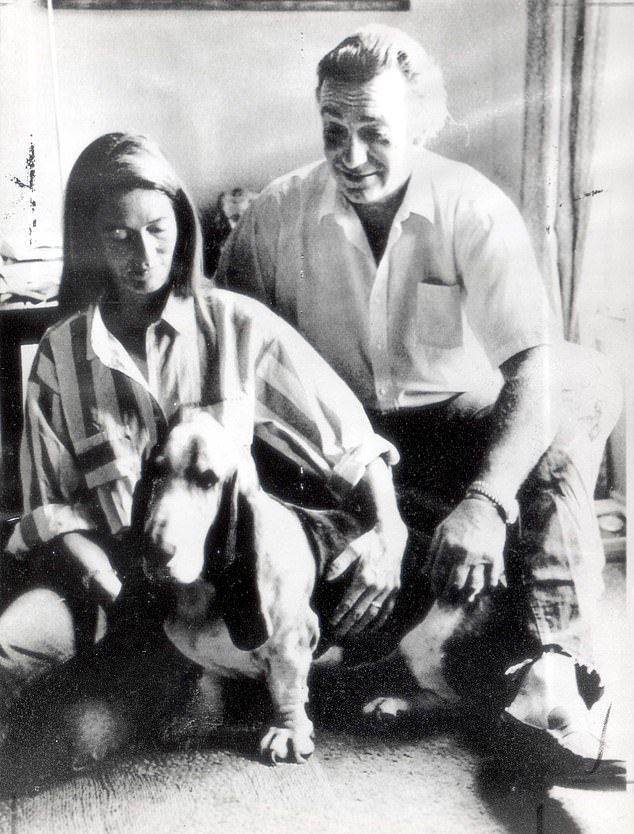
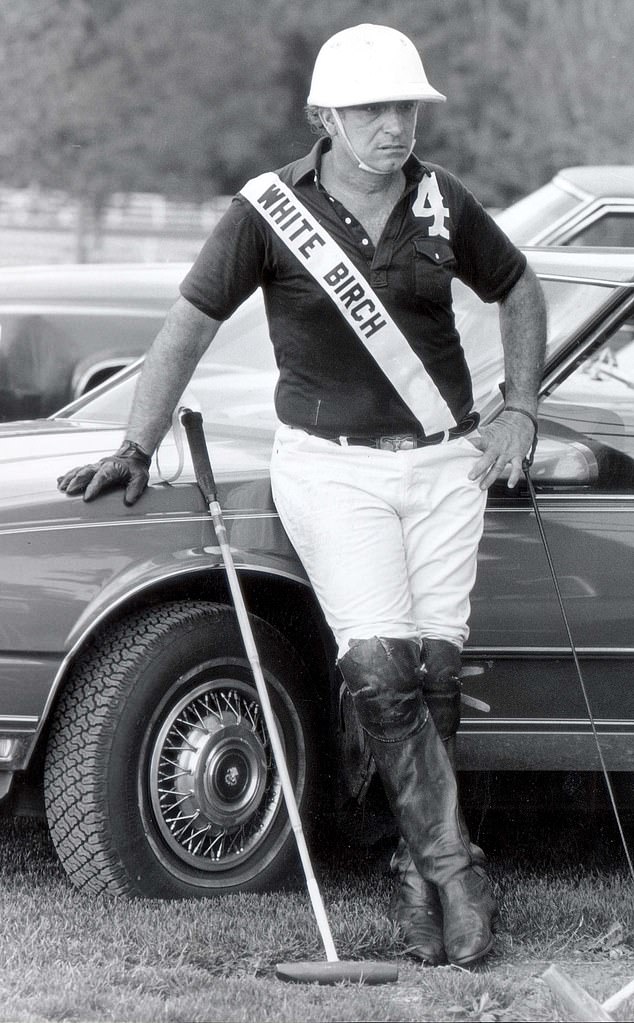
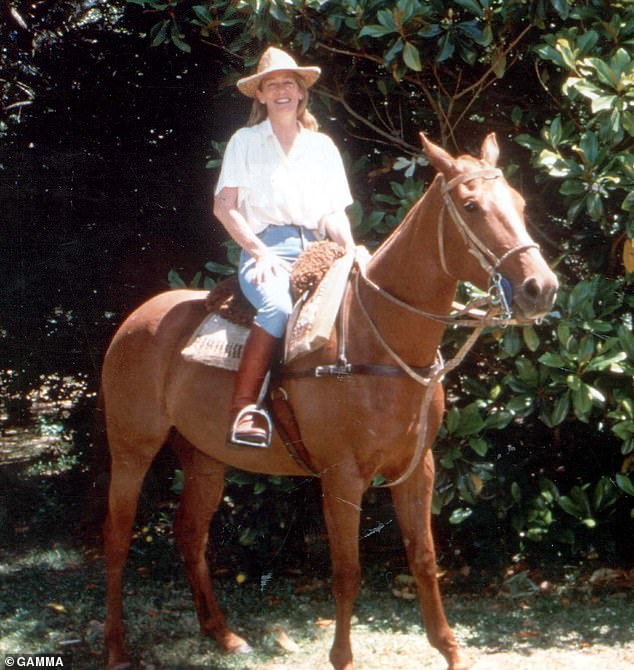
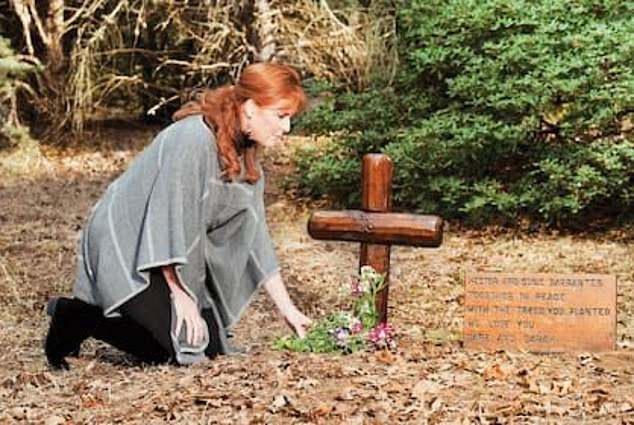
Luna originally belonged to Fergie’s late stepfather, Hector Barrantes, who was a renowned polo player. After his death, ownership of Luna passed to Fergie’s mother, Susan, and then to Fergie when Susan died in a car accident in 1998. Fergie still owns the property where the incident occurred.
The Legacy of Luna
In the 1990s, Luna won the Lady Townley polo tournament two years in a row and was ridden by the legendary Gonzalo Pieres Sr. Her original owner, the late Mr. Pieres, once described her as incredible, noting that many players rode her and she always delivered outstanding performances.
Luna’s pedigree is well-known in polo circles, as she is the sister of another leading horse, El Sol. Foals bred conventionally from her lineage have also seen success in the sport.
Despite Luna’s death two decades ago, Fergie did not see it as an obstacle to her plan. A small sample of Luna’s skin had been stored in optimal conditions in a Buenos Aires laboratory, which had already bred dozens of genetically-edited horses. Fergie believed that stem cells from this sample could be used for cloning.
The Start-Up Company
Fergie named her start-up company La Luna Investments, showing her enthusiasm for the project. An associate who met her at a social event in Sotogrande, Spain, recalled her excitement about cloning Luna. She spoke passionately about the idea, highlighting the horse’s legacy and its significance in the sport.
However, not everyone shared her enthusiasm. Some guests at the event were skeptical, suggesting that Fergie might have been “having one of her moments.” Their skepticism proved warranted, as the project never materialized.
The Outcome of the Project
Mr. Barrantes confirmed that while the idea was discussed, nothing came of it. He noted that they talked about cloning Luna but ultimately did not proceed with the plan. He emphasized that the failure was not due to technical issues, as he is among the most accomplished in the field of animal cloning.
Mr. Barrantes runs Kheiron, a biotech company in Buenos Aires, and is particularly skilled in equine cloning. According to Argentine media, Kheiron clones at least 100 horses a year, contributing to a multimillion-dollar industry in South America.
Cloning in Polo and Beyond
While cloned animals are not allowed in horse racing, they are permitted in polo. Top ponies can fetch up to £750,000, and there is growing demand for cloning in showjumping circles internationally.
Mr. Barrantes has spoken about the benefits of cloning, emphasizing that it allows for better horses and more spectacular games for players and spectators. His company continues to operate successfully, despite the failure of Fergie’s project.
Fergie’s Connection to Argentina
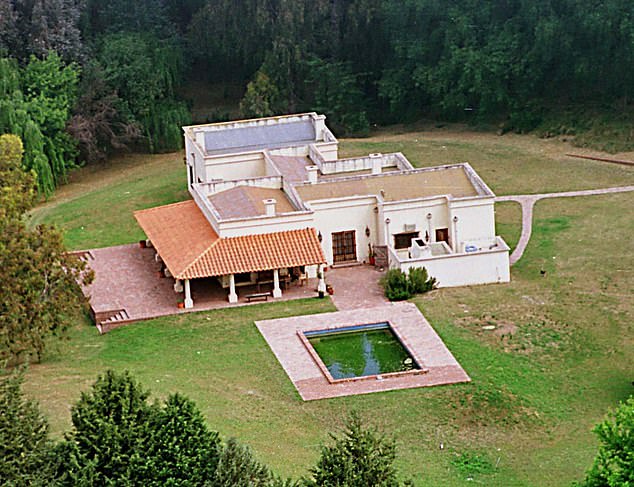
Fergie has strong ties to Argentina, where her mother caused a high society scandal by moving there to live with her polo-playing stepfather. The family lived at his ranch, El Pucara, and are buried on the estate.
Fergie has been trying to stay out of the public eye since being named in documents related to the Jeffrey Epstein scandal. She had previously begged Epstein for employment and even requested marriage, citing financial desperation.
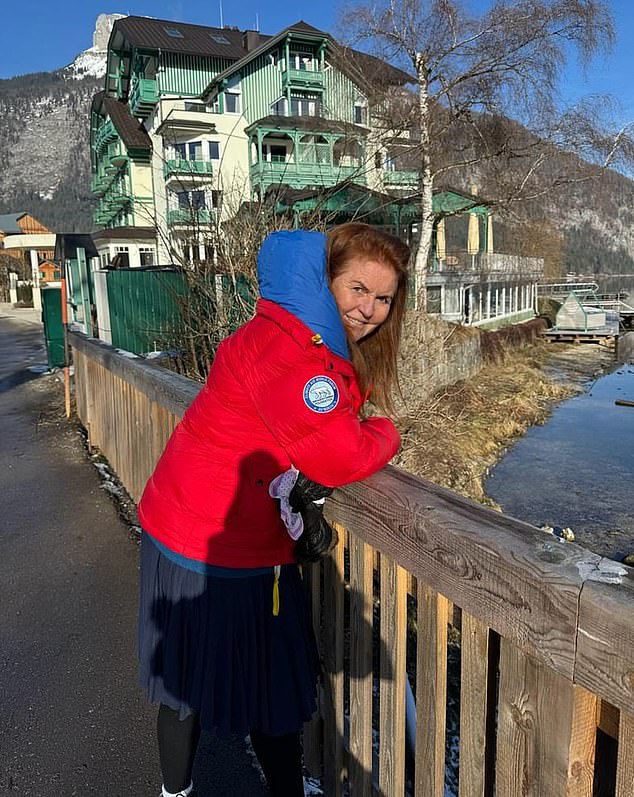
After months in hiding, she made a public appearance in April, staying at an exclusive spa in the Austrian Alps. Her previous cloning plans involved dogs, including two Corgis that had belonged to the late Queen. She aimed to profit from cloned puppies, although the idea faced criticism.
Cloning is banned in the UK, but regulations in other countries are more lenient. Fergie’s ventures into cloning highlight the complex and controversial nature of the practice.