Rising Concerns Over Air Travel and the Shift to Domestic Holidays
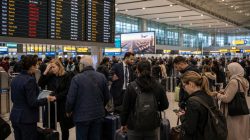
As the summer travel season approaches, holidaymakers in the United Kingdom are increasingly concerned about rising ticket fares and flight cancellations. This has led many to reconsider their travel plans and opt for destinations closer to home. The trend is not only affecting the choices of individual travelers but also reshaping the broader landscape of European tourism.
A Growing Preference for Southern Europe and Rail Travel
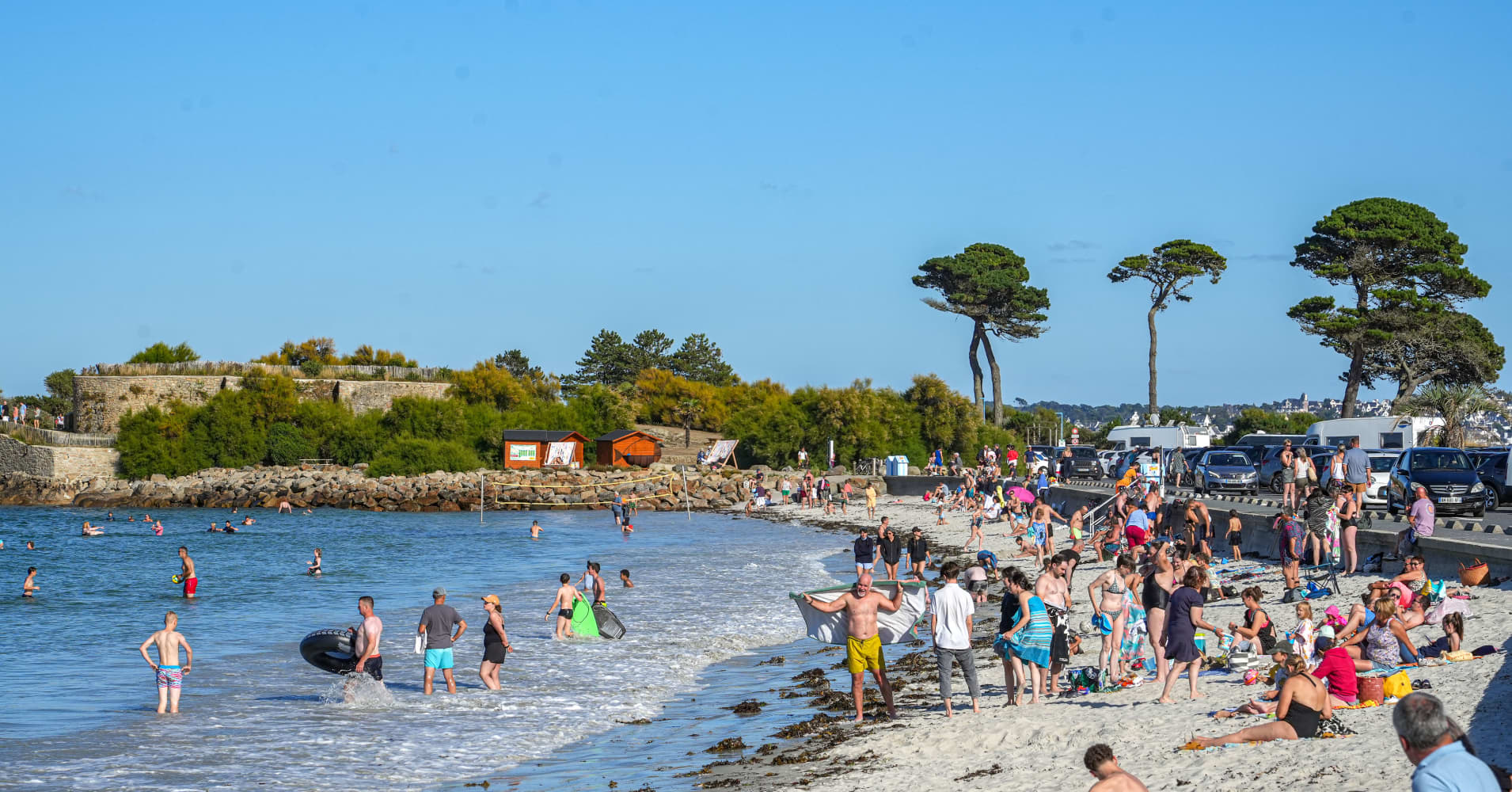
Consumers are now favoring destinations in southern Europe, such as France and Spain, as well as exploring alternative modes of transportation like rail. This shift is driven by a combination of economic uncertainty and concerns over the reliability of air travel. Experts suggest that some individuals may even choose staycations or decide not to travel at all this year.
The situation has been further complicated by a jet fuel crisis in Europe, which is threatening the peak travel season. European airlines have been hit hard since the U.S.-Iran conflict began, with surging fuel costs and a shortage of jet fuel. The region typically imports 75% of its jet fuel from the Middle East, making it particularly vulnerable to disruptions in the area.
According to the International Air Transport Association, jet fuel prices increased by 103% by the end of March compared to the previous month. The International Energy Agency chief, Fatih Birol, warned in April that Europe could run out of jet fuel if alternative export sources were not secured. With fuel costs accounting for 20 to 40% of an airline’s operating costs, many carriers are passing these expenses on to consumers through higher surcharges and canceling unprofitable routes.
Airlines Cutting Flights Amid Challenges
Major airlines such as Lufthansa, SAS, and Air France-KLM have been among those cutting flights due to financial pressures. British holidaymakers are now looking toward destinations in southern Europe, including France, Spain, and Greece, while considering alternatives like rail travel.
Ryanair’s CEO, Michael O’Leary, highlighted the trend during a conference in Oslo, stating that people are increasingly choosing to holiday within Europe rather than taking long-haul flights. He emphasized that travelers are opting for shorter trips to countries like Portugal, Spain, and Italy to avoid the risks associated with long-haul travel.
Boost in Rail Travel
Rail travel has seen a significant increase in popularity, especially for UK residents traveling to France. Eurostar tickets purchased by UK residents soared by 42% in April compared to the previous month, with a 25% year-on-year increase. According to data from the travel booking platform TrainPal, just over half of the tickets booked by Britons were for travel beyond 30 days of purchase.
TrainPal’s commercial director in Europe, Alvaro Ungurean, noted that the discourse around jet fuel shortages has contributed to the rise in Eurostar bookings and train travel across Europe. He encouraged travelers concerned about flight disruptions to consider rail travel as a reliable alternative.
Competition Between Airlines and Rail Services
Airlines are facing strong competition from rail services this summer, particularly as European trains have a history of transporting more passengers annually than aviation. Research by Allianz Trade revealed that Europe is one of the “most structurally exposed regions” to the jet fuel crisis, as it produces only around 50% of its kerosene domestically.
Between 2014 and 2024, railways transported 81.2 billion passengers, compared with 8.9 billion passengers transported by air companies. Ano Kuhanathan, Head of Corporate Research at Allianz, noted that higher flight ticket prices and expensive gasoline are driving more people to choose rail travel.
Southern Europe Remains Popular
Tourism firm TUI Group reported a strong trend of consumers booking last-minute vacations to western Mediterranean countries this year, with Spain, the Balearic and Canary Islands, and Greece set to be the most popular destinations. Booking trackers indicate a 32% year-on-year gain for Spain and 20% for Italy, Greece, and Portugal.
Kuhanathan explained that UK travelers have historically favored southern Europe, and the Iran war will reinforce this pattern. He suggested that long-haul flights to Asia and Latin America may be affected more significantly.
Staycations and Domestic Tourism Gain Momentum
As global airfare prices continue to rise, families in the UK and Europe are re-evaluating their holiday plans. Economic uncertainty, fears around the job market, and the impact of AI are contributing to a more cautious approach to travel.
Some Brits may opt for staycations or choose not to travel at all. Kuhanathan noted that domestic tourism has already been a historical trend and may become more prominent in the current context.
Airbnb searches for UK stays were up 15% year-on-year, with rural locations like Northumberland, Pembrokeshire, and Derbyshire Dales ranking among the top 20 most booked destinations for the May Bank Holidays. Lisa Marçais, general manager for Northern Europe and EMEA at Airbnb, highlighted the increasing demand for UK getaways during the spring and summer seasons. She suggested that as economic confidence wanes, some travelers may prioritize saving money over international holidays.