A Coastal Life on the Isle of Wight
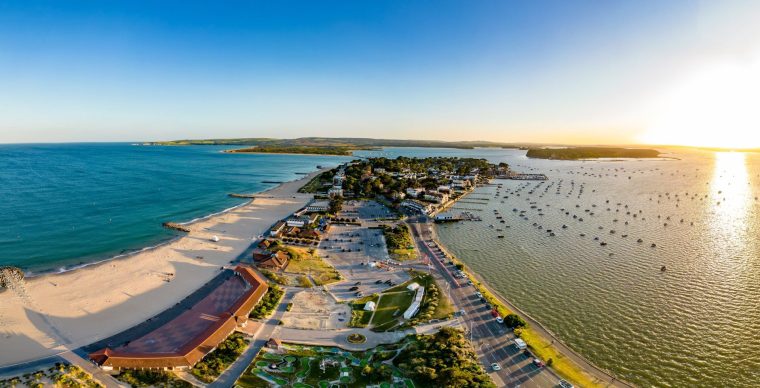
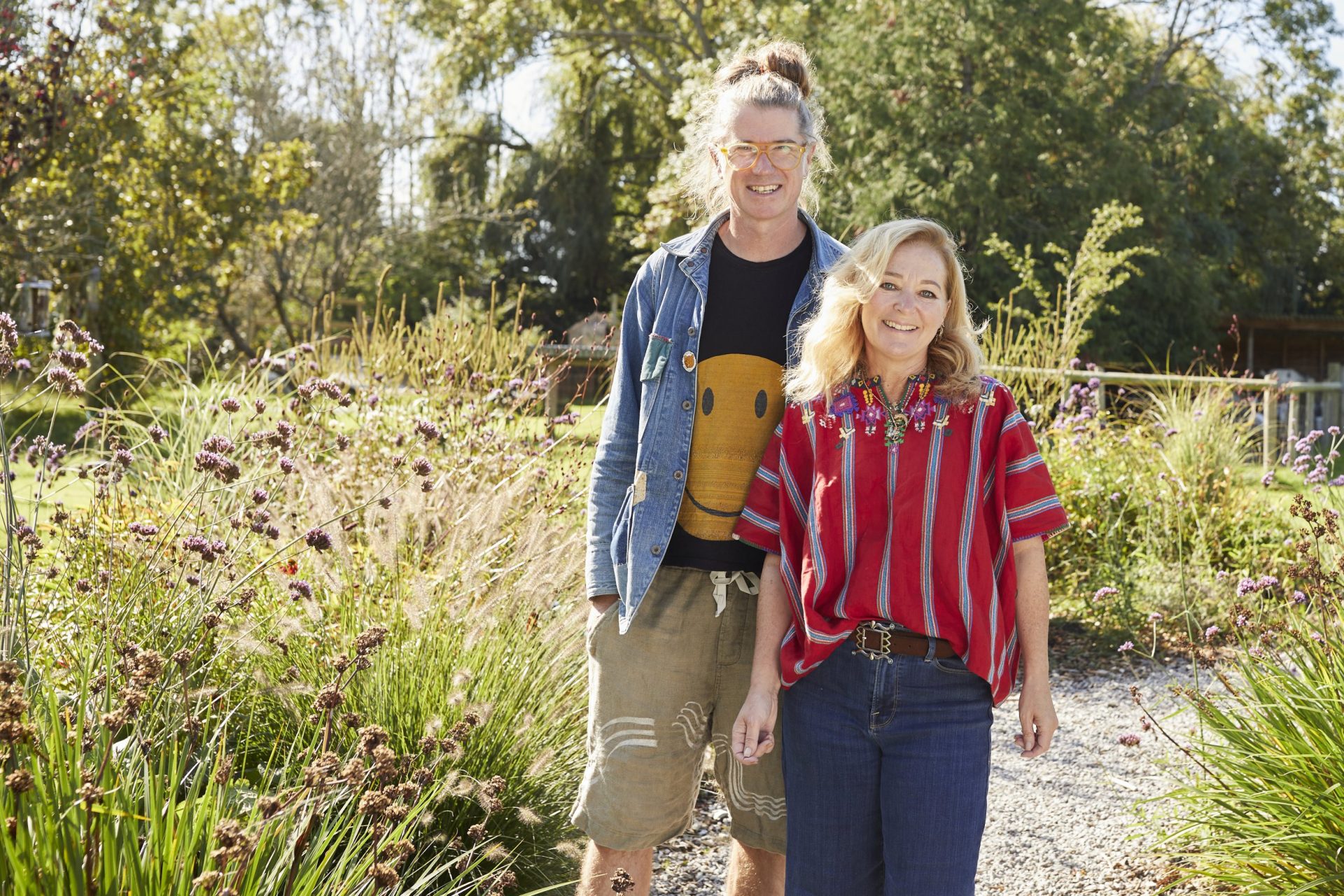
For Rob da Bank, the sea is more than just a backdrop—it’s a way of life. Known for his work as a DJ and co-creator of Camp Bestival, a family festival held near Lulworth Cove in Dorset, Rob has spent much of his life connected to the water. He and his wife Josie moved from London to the north-west coast of the Isle of Wight over a decade ago, driven by a deep love for the sea that he developed during his teenage years as part of the British sailing team.
“I was in the British sailing team until I was 18, and I spent every available minute of my life sailing,” he explains. “I really missed the sea. I still do if I’m not next to it every 24 hours at least.” From his living room, he gazes out at the Solent, where the view stretches across to Lymington and the New Forest. “It’s like a magnetic connection,” he says.
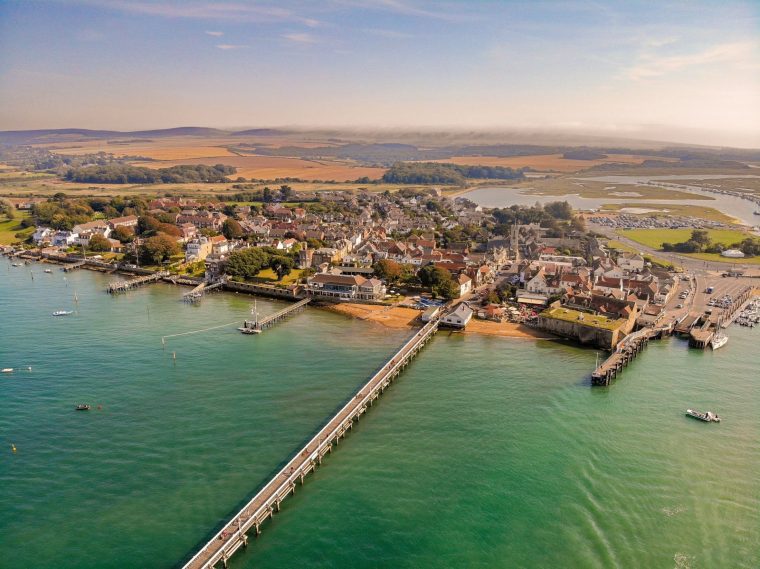
The Isle of Wight may be small, but its coastline is rich and varied. With 57 miles (91km) of coast, it offers golden bays, secluded coves, and cliff-backed strands that are among the UK’s richest dinosaur fossil beds. The family enjoys wakeboarding and sailing on the Solent, while cold-water swimming is a daily ritual for Rob. “It’s pretty much a solitary thing that I do. Getting in the sea is part of my spiritual practice.”
Exploring the Jurassic Coast
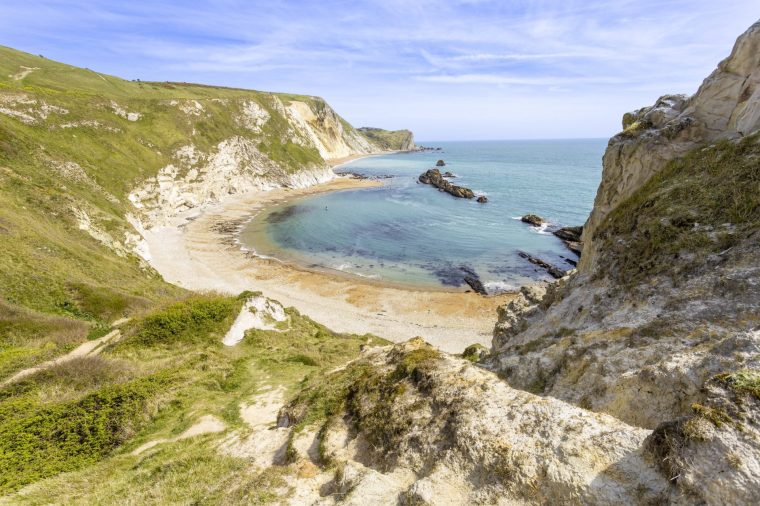
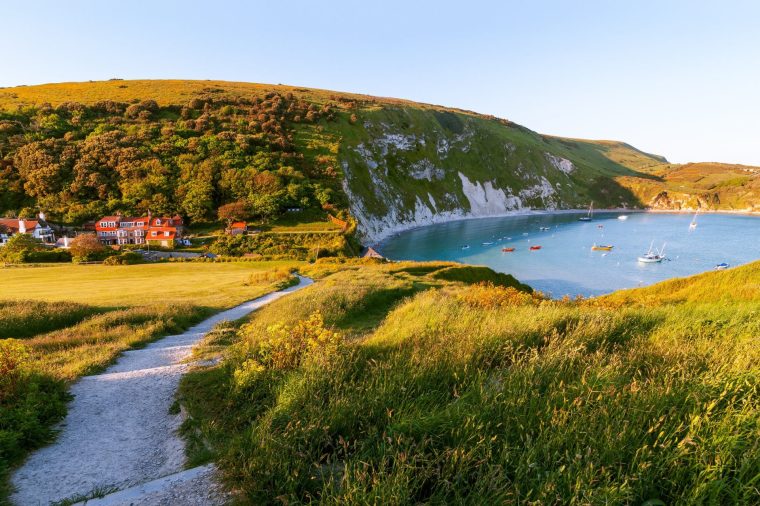
When the family heads to the mainland for the annual Camp Bestival in July, Rob often makes time to visit Lulworth Cove, a nearly perfect circular bay that is a highlight of Dorset’s National Landscape. “I tend to be less busy than everyone else because I’m there supervising. I’ll jump in my car and go for a quick sea swim and then come back soaking wet and fully refreshed, while everyone else is sweating and hammering things into the ground.”
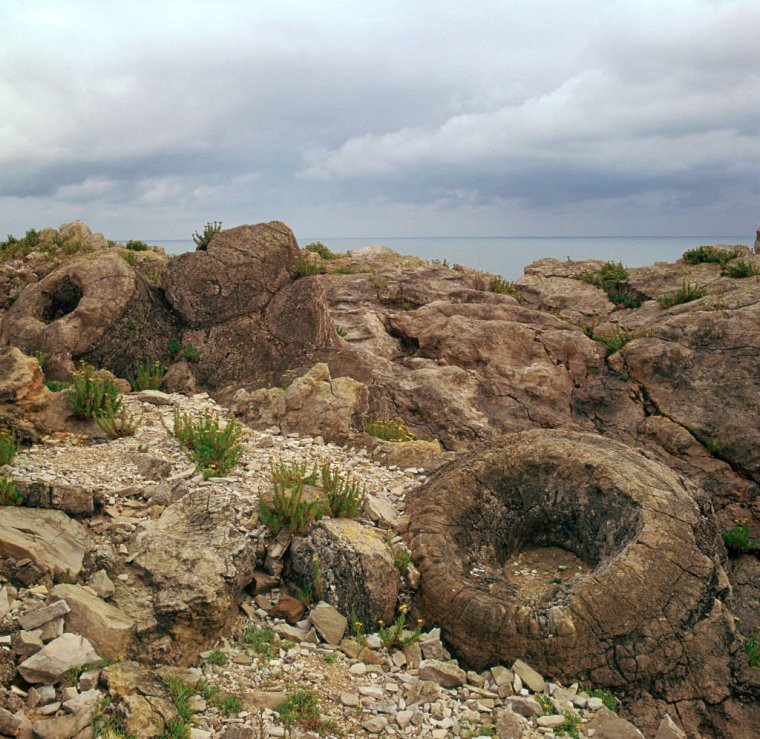
This stretch of the Jurassic Coast is home to the Fossil Forest, the petrified remains of a cypress forest that once thrived near a swamp and lagoon when dinosaurs roamed the land. Nearby, Stair Hole offers a mini-Durdle Door experience, with the incredible, twisted strata of the Lulworth Crumple revealing the ancient origins of the coastline.
After the festival wraps up, the family spends time winding down nearby, visiting spots like the Coastguards Cottages in Lulworth Cove and embracing familiar locations such as Durdle Door. These weeks have a pleasing familiarity, with visits to the centuries-old Square and Compass pub in Worth Matravers and the Crab House Café outside Weymouth.
Hidden Gems on the Isle of Wight
But it’s the less obvious places that truly captivate Rob. Near home on the Isle of Wight, Bouldnor is a favorite. “There are no beaches. It’s quite sheltered, a lovely spot where people do a lot of water skiing. It’s a bit of an undiscovered gem.” There’s also a little-known beach called Treasure Beach, nestled by Bouldnor Forest. “It’s a secret stony beach that no one really knows about.”
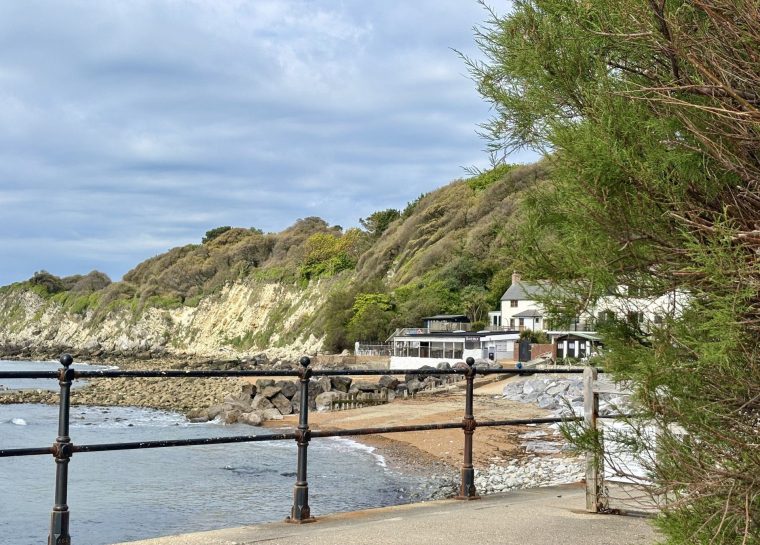
Rob notes that while the Isle of Wight doesn’t have miles of sand like Cornwall, it does offer quirky, leftfield beaches. “You’ve got that sandy, kiss-me-quick feel in Ryde, but on the other side of the island, there’s Steephill Cove, where you can sneak down for a crab pasty. People don’t really know about it.”
More Popular Spots
For something a bit more mainstream, Rob recommends Freshwater Bay on the south-west coast for its “great view out on to the English Channel. It also gets quite deep quite quickly, even at low tide.” Colwell Bay is another favorite, known for the Hut seafood restaurant and often cited as one of the country’s best beaches.
Rob grew up across the Solent in Hampshire, where he threw his first parties as a teenager. “I was the guy who carried the sound system around and made the mix tapes for beach parties. The beach was always an escape from whatever was going on in my life.”
As a child, he would often holiday in Stoke Gabriel on the River Dart, near Devon crowd-pleasers like Torquay, Brixham, and Blackpool Sands. “I grew up in that sort of stereotypical British bucket and spade vein—endless hot summers, getting sunburned, going crabbing, and eating cream teas,” he recalls. They’d also visit family in Bournemouth, where he learned to windsurf. “The beach there is incredible.”
Embracing the Elements
The ease of access to Mediterranean beaches has distracted attention from the beaches on our doorstep, but Rob believes they still have more to offer than a day trip. “There’s nothing better than going camping by a beach, plotting up knowing you’re there for the week. Parents can switch off while kids get familiar with the lie of the land. When I was young, it was comforting being in the same place and repeating it every year. I don’t find anything boring about that.”
He encourages a resilient approach to the coast, too. “Some of my favourite beach days are when it’s wet and windy, when you’re dressed in waterproofs, feeling the elements. I really love it when it’s more challenging.”
Talking about a recent camping trip one of his sons took in Dorset, he says, “It was one of the worst nights’ sleep he’d ever had, but one of the best experiences—he was on a cliff top above a beach, living life, embracing the elements. That kind of thing is invigorating.”
Beyond the Isle of Wight
Beyond Dorset and the Isle of Wight, Rob is eager to explore the Pembrokeshire Coast. “Josie’s walked the first leg of the Coast Path there. I bought her a jigsaw of it for Christmas, so that’s number one on our list of places to visit. And we need to finish the jigsaw, too.”
Four of Dorset’s Hidden-Gem Beaches
- Ringstead Bay – Quieter than nearby Weymouth, this shingle beach has clear bathing water and views across to Portland.
- Worbarrow Bay – A remote, shingle bay accessed via Tyneham’s abandoned village, often blissfully quiet.
- Mupe Bay – About two miles’ walk from Lulworth Cove via the South West Coast Path, best visited at low tide.
- Church Ope Cove – A sheltered cove beneath the ruins of Rufus Castle, with a few beach huts and a rocky landscape shaped by landslips and quarrying.
Camp Bestival is at Lulworth Castle in Dorset from 30 July to 2 August, with day tickets starting at £99 per adult and £32 per child, and weekend camping tickets from £260 per adult and £117.50 per child. Visit dorset.campbestival.net for more information.