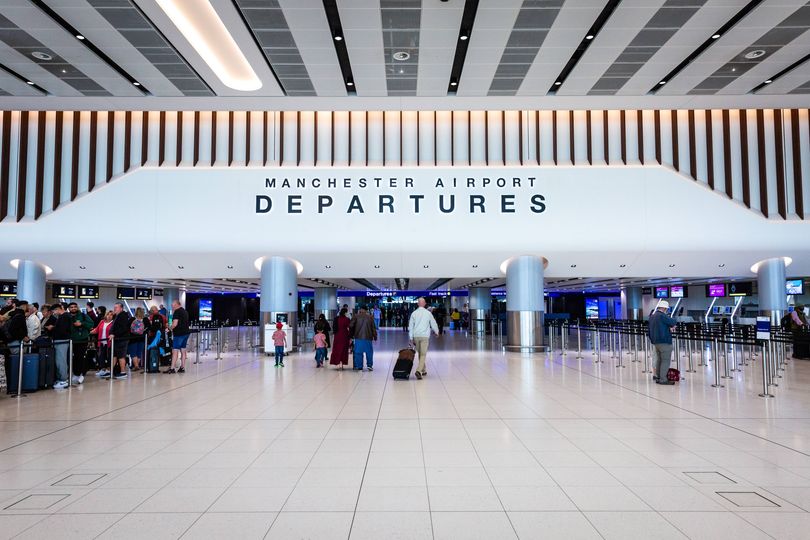
Thousands of British holidaymakers are facing yet another wave of travel challenges as more than 40 flights have been cancelled at some of the UK’s busiest airports, including Heathrow, Gatwick, and Manchester. Flights operated by major carriers such as British Airways, American Airlines, Air Canada, easyJet, and WestJet have been removed from schedules, causing significant disruption for passengers heading to popular destinations like New York, Toronto, Mumbai, Paris, Amsterdam, and Dublin.
The latest round of cancellations has added to the pressure on Britain’s major airports, which are already dealing with weeks of disruptions as the peak summer holiday season approaches. The situation is particularly challenging for airports that rely heavily on international travel, with Heathrow, Gatwick, and Manchester all experiencing considerable difficulties across both European and long-haul routes.
Flight-tracking data and passenger rights monitoring services reported a sharp increase in cancellations on 14 May, with dozens of departures disappearing from departure boards within hours. This fresh wave of disruption follows a series of incidents earlier this spring, which left many travelers stranded and long-haul routes severely affected.
Heathrow has once again been the most affected airport due to its busy international schedule, while Gatwick and Manchester have also faced significant disruptions across various routes. Passengers flying to North America have been particularly impacted, with British Airways and American Airlines services between London and New York JFK experiencing cancellations and delays. Similarly, Air Canada and WestJet flights to Toronto and Calgary have also encountered problems.
Travelers to India have also faced serious issues, with routes connecting the UK and Mumbai affected by cancellations and schedule changes. Aviation experts have warned that when a single long-haul aircraft drops out of rotation, the effects can quickly spread across multiple routes. Short-haul European services have not been immune to the chaos either, with flights from Heathrow, Gatwick, and Manchester to Paris, Amsterdam, and Dublin all experiencing cancellations, leading to missed onward connections.
Budget carriers and major airlines alike have struggled to maintain their timetables due to growing operational pressures, aircraft shortages, and crew availability problems. These challenges continue to strain the aviation sector, raising concerns ahead of the peak summer holiday season. Experts warn that airlines and airports may have very little room for error as passenger numbers rise through June and July.
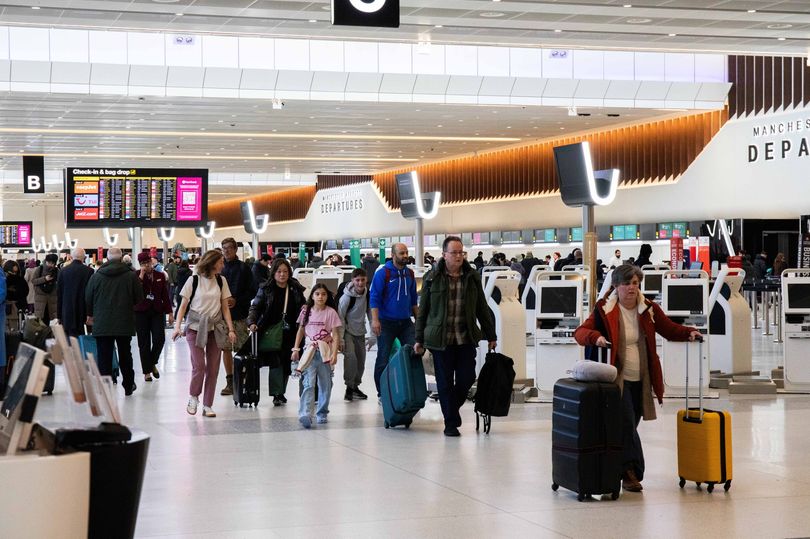
Passengers affected by cancellations are advised to monitor airline apps closely and act quickly to secure alternative flights before replacement seats are taken. Under UK air passenger regulations, many travelers departing from British airports may be entitled to assistance, accommodation, and potentially compensation depending on the cause of the disruption.
Airlines can now avoid compensation obligations by cancelling flights with at least two weeks’ notice, allowing them to delay summer decisions while avoiding financial penalties. Recent data from May 14, gathered using several flight-tracking platforms, shows a significant increase in cancellations compared to previous weeks. According to aviation analytics firm Cirium, there were 296 departures from UK airports cancelled this month as of Tuesday — a sharp rise from 120 cancellations just six days earlier.
While figures for the busy summer period suggest week-on-week timetable reductions remain relatively small, the overall trend indicates growing challenges for the aviation industry. Outbound services for June are down by 48 compared to a week earlier, following the removal of 0.2 per cent of flights. July’s week-on-week reduction stands at 31, while August has seen just four fewer departures. Across Europe, Lufthansa’s airline group announced in April that it would cancel 20,000 flights over the next six months to conserve fuel.
Last week, British Airways’ parent company IAG warned that its profits would be affected due to expected fuel costs of around €2bn (£1.72bn) over budget this year. BA boss Luis Gallego stated that IAG does not believe there will be “any interruption for the summer” in terms of jet fuel supplies. Earlier this month, Transport Secretary Heidi Alexander suggested that summer holiday plans would not face major disruption due to shortages. She mentioned that extra fuel has been imported from the United States and that UK refineries have increased their output. The government has also introduced a short-term regulatory change allowing airlines to consolidate passengers from several flights onto fewer aircraft to preserve fuel.
These developments come amid rising jet fuel costs, which have more than doubled since the Middle East conflict erupted. Iran’s continued grip on tankers in the Strait of Hormuz has forced many carriers to revise their timetables.