The Growing Stray Cat Crisis in New South Wales
Animal rescuers across New South Wales are sounding the alarm about a significant increase in surrendered cats, highlighting that legislative gaps are contributing to a worsening stray cat “crisis.” This issue is placing immense pressure on rescue organizations and raising concerns about the impact on both animal welfare and native wildlife.
Peta Smith, president of the Hunter Valley Animal Facility and Rehoming Centre, explains that her organization, like many others, is struggling to cope with the rising number of cats being surrendered. Over the past two years, she has observed a sharp increase in the number of cats brought to the center, often after being turned away from local pounds. This surge is stretching resources thin and causing emotional distress for those working in the sector.
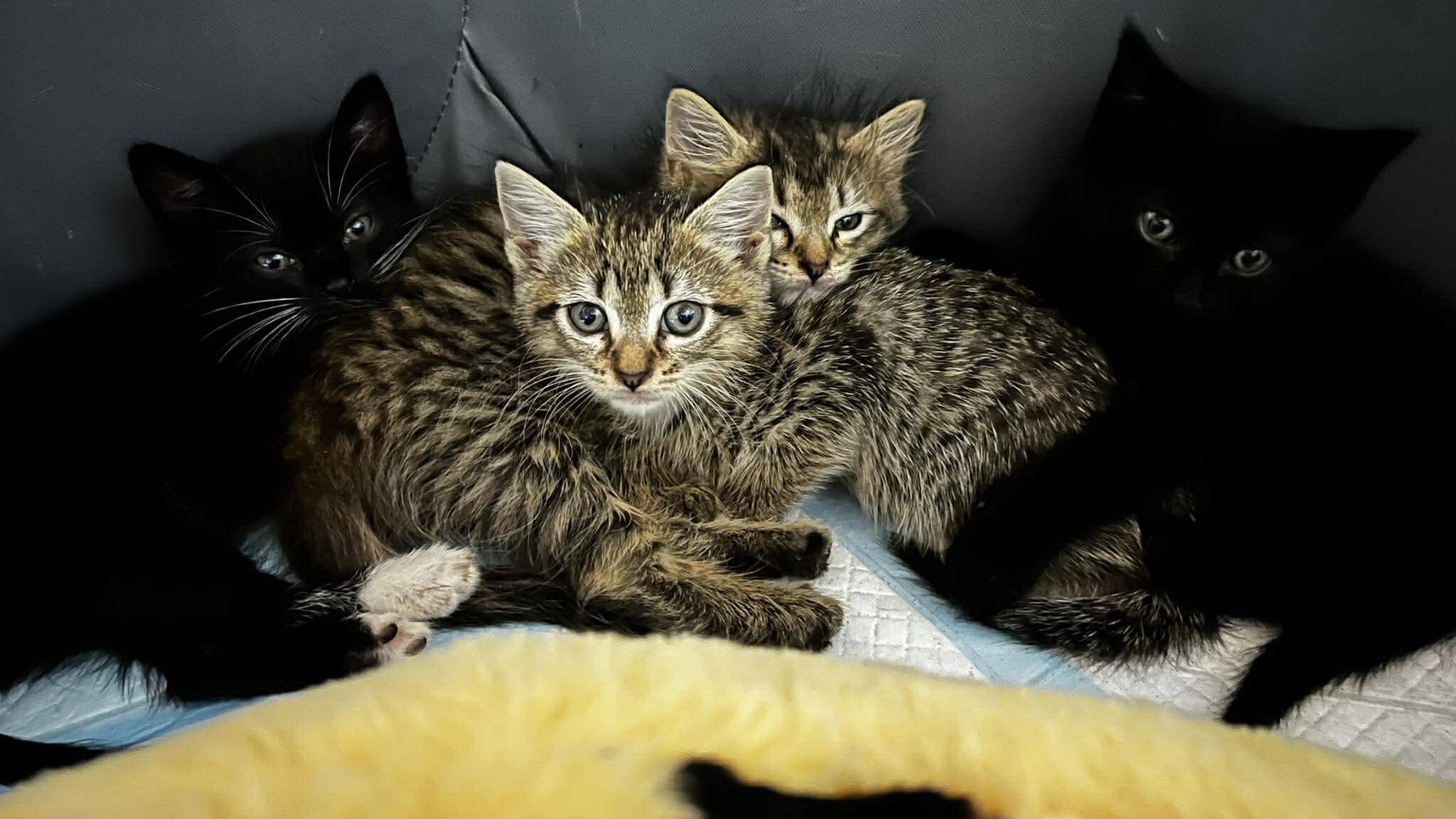
“We’ve got six to eight-week-old kittens being caught and to tell a finder, ‘Let it go where you found it’ … it’s heartbreaking,” Ms. Smith said. “We’re at crisis point. We have no room to help.”
The current legal framework under the Companion Animals Act in NSW allows cats to roam freely unless they are found in designated food preparation or wildlife protection areas. This provision has created confusion regarding responsibility for cat management and has led to an increase in breeding between pets and strays.
“This ‘free to roam’ is perpetuating a constant breeding cycle that all of us rescuers are overwhelmed with,” she added. “Until cats are treated the same as dogs and have to be desexed and contained, this is just going to get worse and worse.”
Rochelle Wood, who runs The Stray Cats Project, a charity that feeds and desexes stray cats in Newcastle, claims that local councils are using the legislation as a loophole to avoid managing stray populations. She notes that her organization receives up to 20 calls a day about stray cats, as people contact councils only to be told that the cats are free to roam.
“We need council and the government to step up,” Ms. Wood said. “The laws absolutely need changing.”
Wildlife rescue organizations are also concerned about the potential impact of unchecked stray cat populations on native wildlife. According to the Invasive Species Council, each roaming pet cat kills an average of 186 animals per year. Kerry Walker, vice-president of Hunter Wildlife Rescue, explained that her organization sees around 400 animals, mainly birds and possums, each year presenting with symptoms of cat attacks.
“The issue with a cat attack is that because of the toxic saliva on their claws and on their teeth, it’s almost always fatal,” she said. “Cats always have an instinct to kill. We would encourage people to keep their cats inside all the time, especially at night.”
Advocates Divided on Solutions
In 2024, a New South Wales parliamentary inquiry was launched to examine how cat populations are managed across the state. After two hearings and over 500 submissions, the committee handed down 10 recommendations, primarily focused on expanding desexing programs and encouraging behavior change to promote keeping cats indoors.
In September, the NSW Greens introduced a bill proposing cat containment laws, which would require pet owners to keep their cats inside. However, some animal welfare experts argue that mandatory cat containment would be difficult to enforce and may not address the root causes of the problem.
Jacquie Rand, chief scientist at the Australian Pet Welfare Foundation, pointed out that data shows roaming cats are more prevalent in lower socio-economic areas, where the cost of containment could be prohibitive. “Most of the free-roaming cats, in fact, don’t have an owner to contain them,” she said. “It’s a socio-economic issue.”
She emphasized that high-intensity, targeted desexing programs have been proven to be more effective. “It needs to be evidence-based and targeted to where the problem areas are.”
Changes afoot
The Companion Animals Act is currently under review by the NSW government. With opinions divided on the best approach, Minister for Local Government Ron Hoenig acknowledged that introducing changes is not an easy decision.
He expressed a desire to see councils take a greater role in managing stray cats but also recognized the financial pressures faced by local councils. “In my view there’s no reason to distinguish between dogs and cats, which means that stray cats will have to be picked up by councils as part of the same responsibility for dogs,” Mr. Hoenig said. “But the cost of their training, the cost of their pound services, those are all issues that we’ve got to take into consideration to get that balance right.”
The state government is expected to finalize its review within the coming months, with potential changes aimed at addressing the growing challenges posed by stray and abandoned cats.