A Growing Concern: The Ebola Outbreak in Africa
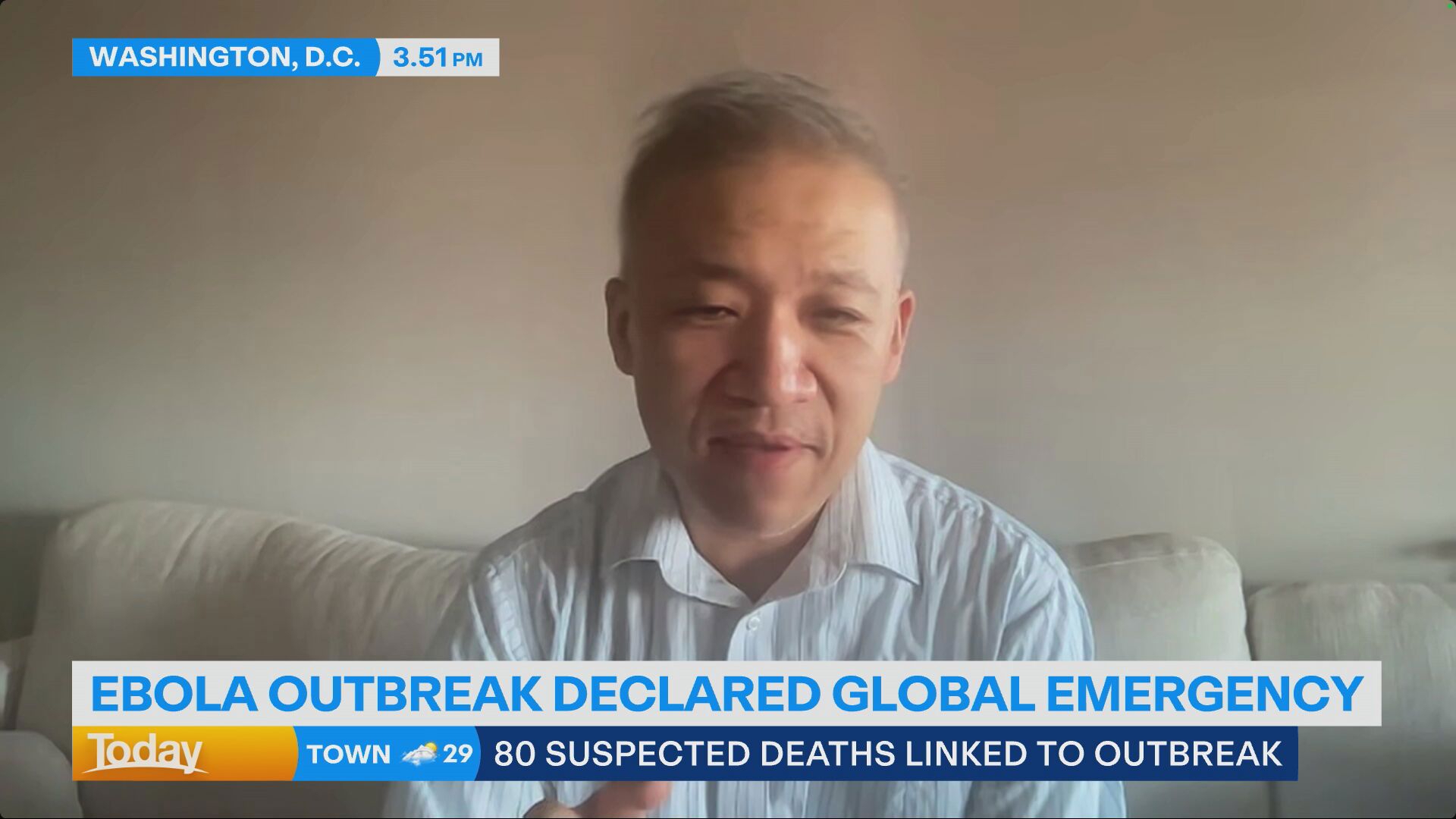
A leading US epidemiologist and public health scientist, Dr Eric Feigl-Ding, has expressed deep concern over the recent outbreak of a rare variant of the Ebola virus in Africa. He emphasized that the situation is alarming, with the virus failing to be contained locally and spreading rapidly.
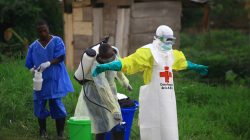
More than 300 suspected cases and 88 deaths have been recorded, including the tragic deaths of three health workers. The World Health Organization (WHO) has declared this outbreak a public health emergency, urging countries not to close their borders. The virus has primarily been reported in the Democratic Republic of the Congo (DRC), with two additional fatalities in Uganda linked to recent visitors from the DRC.
There are growing concerns that the actual number of cases may be much higher than what is officially reported. WHO Director-General Dr Tedros Adhanom Ghebreyesus highlighted that signs point towards a potentially larger outbreak, with significant local and regional risks of spread. The ongoing insecurity, humanitarian crisis, high population mobility, and the urban or semi-urban nature of the current hotspot all contribute to the risk of further spread.
Feigl-Ding, who leads the COVID Task Force at the New England Complex Systems Institute, told Today that given the high level of positive testing, it was clear that more cases were being missed. “We’re very behind on this epidemic,” he said.
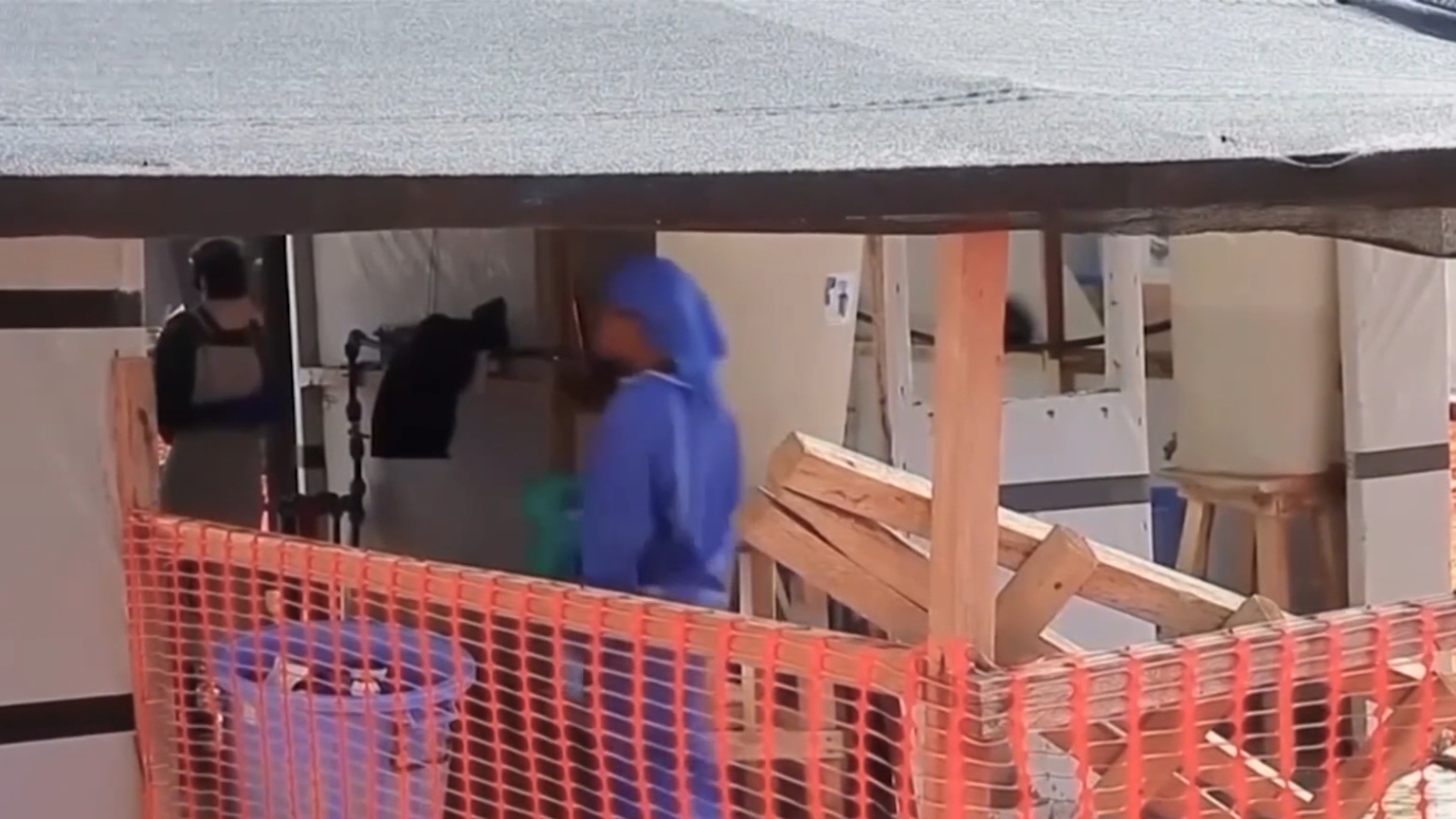
The WHO has allocated $500,000 to combat the outbreak, along with an additional $2 million from the Africa Centres for Disease Control. Urgent aid, including personal protective equipment, tents, beds, and operational support items, has been sent to Bunia, the capital of DRC’s Ituri province, where the outbreak is centered.
However, the biggest challenge remains that this variant of Ebola has no approved vaccines or treatments. Feigl-Ding noted that vaccine testing alone would not be sufficient to contain the virus, as the strategy had become unviable. “Unfortunately, we’ve already lost containment in the region,” he said.
The Australian government’s Smartraveller website does not yet reflect an updated Ebola risk for either the DRC or Uganda, but Australians are still urged to avoid traveling to the DRC and exercise caution in Uganda due to other factors such as civil unrest.
Feigl-Ding pointed out that the WHO, which the US is no longer part of, would need to rely on speed, testing, and quarantine to prevent the virus from spreading further. He compared it to the recent hantavirus outbreak on a cruise ship, which remained relatively contained. “This one has the potential to spread,” he said. “I’m like 6 or 7 out of 10 scared, but I still think we can contain this before it goes global.”
International Response Demanded
The WHO stated that the outbreak does not meet the criteria for a pandemic emergency like COVID-19 and advised against closing international borders. The organization also reported a laboratory-confirmed case in Kinshasa, the capital of the DRC, which is about 1,000 kilometers from the outbreak’s epicenter in Ituri province. This suggests a possible wider spread.
The patient had visited Ituri, and other suspected cases have also been reported in North Kivu province, which is one of the most populous regions in the DRC and borders Ituri. Ebola is highly contagious and can be contracted through bodily fluids such as vomit, blood, or semen. The disease it causes is rare but severe and often fatal.
The WHO’s emergency declaration aims to spur donor agencies and countries into action. By its standards, it shows the event is serious, there is a risk of international spread, and it requires a coordinated international response. However, the global response to previous declarations has been mixed. In 2024, when the WHO declared mpox outbreaks in Congo and elsewhere in Africa a global emergency, experts noted that it did little to get supplies like diagnostic tests, medicines, and vaccines to affected countries quickly.
Challenges in Treating a Rare Variant
Health authorities say the current outbreak, first confirmed on Friday, is caused by the Bundibugyo virus, a rare variant of the Ebola disease that has no approved therapeutics or vaccines. Although more than 20 Ebola outbreaks have occurred in Congo and Uganda, this is only the third time the Bundibugyo virus has been detected.
Congo accounts for all except two of the cases, both of which were reported in Uganda. The Bundibugyo virus was first detected in Uganda’s Bundibugyo district during a 2007-2008 outbreak that infected 149 people and killed 37. The second time was in 2012, in an outbreak in Isiro, Congo, where 57 cases and 29 deaths were reported.
Conflict and Migration Complicate Containment Efforts
Africa Centres for Disease Control and Prevention director-general Dr Jean Kaseya highlighted that a high number of active cases remain in the community, particularly in Mongwalu, where the first cases were reported, significantly complicating containment and contact tracing efforts. Violent conflict with militants, some backed by the Islamic State group, as well as constant population movement due to mining, both within Congo and across the border in Uganda, have posed major challenges to response efforts.
Officials first reported the spread of the disease in Ituri province, close to Uganda and South Sudan, on Friday. On Saturday, the Africa CDC reported 336 suspected cases and 87 deaths in Congo. There are significant uncertainties regarding the true number of infected persons and geographic spread associated with this event at the present time. In addition, there is limited understanding of the epidemiological links with known or suspected cases.
Diagnostics and Vaccines Remain a Major Challenge
Shanelle Hall, principal adviser to the head of Africa CDC, told reporters on Saturday that there were four therapeutics under consideration for the Bundibugyo virus, but no vaccine was being actively considered. A bigger issue is that even existing vaccines and therapeutics for other Ebola viruses are not manufactured in Africa. Africa’s struggle to get vaccines from richer countries during the COVID-19 pandemic spurred different efforts to accelerate its capacity to manufacture shots, but resources remain scarce.
Kaseya emphasized that the demand for a vaccine for a rare virus like Bundibugyo, which is not as deadly as the Ebola Zaire prominent in Congo’s past outbreaks, has been a recurring issue in discussions with pharmaceutical companies over vaccine manufacturing. “If we are serious in this continent, we need to manufacture what we need,” he said. “We cannot every single day look for others to come to tell us what they are doing.”