New Reforms Aim to Prevent Youth Crime and Hold Parents Accountable
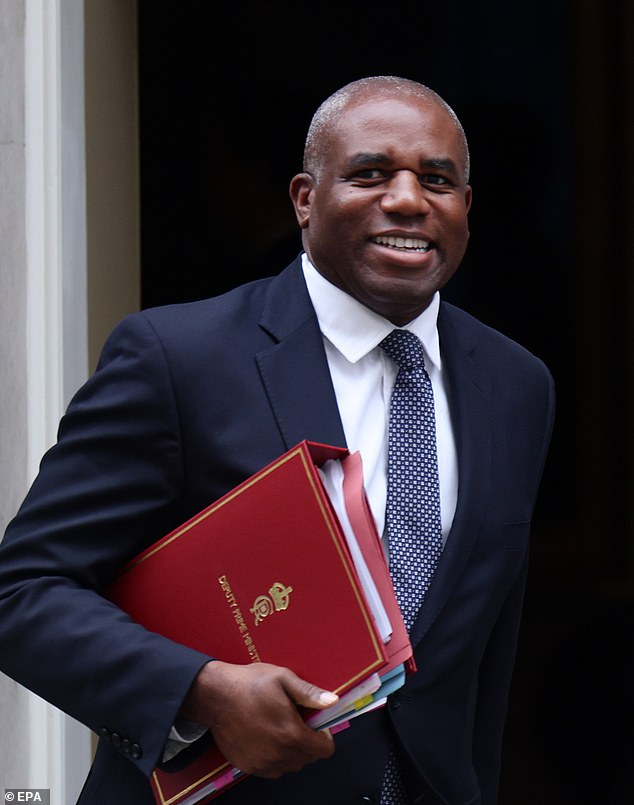
A significant shift in the approach to youth justice is being proposed by the UK government, with a focus on preventing young people from entering a life of crime. The reforms are part of the newly released Youth Justice White Paper, spearheaded by Deputy Prime Minister David Lammy. The initiative aims to address the root causes of youth offending and ensure that children receive the support they need to lead productive lives.
One of the key elements of the plan involves increasing the responsibility of parents and guardians in preventing their children from committing crimes. This could include harsher consequences for those who fail to intervene when their children engage in anti-social behavior or criminal activity. The idea is to create a stronger sense of accountability among families, ensuring that they play an active role in guiding their children away from delinquency.
Strengthening Parenting Orders
Currently, parenting orders are used to compel parents to address their children’s behavior through counseling and guidance. However, the use of these orders has declined significantly over the past two decades, dropping from over a thousand in 2009/10 to just 33 in 2022/23. Under the new proposals, these orders will be strengthened, and non-compliance could result in fines or even jail time for parents who fail to meet their responsibilities.
The Ministry of Justice has emphasized the importance of this change, particularly in light of recent events such as the Southport stabbings. In that tragic case, the inquiry found that the parents of the perpetrator had failed to report his violent behavior and the possession of weapons. This failure contributed to the devastating outcome, highlighting the need for more proactive parental involvement.
New Youth Intervention Courts
In addition to reinforcing parental responsibilities, the White Paper also proposes the establishment of new youth intervention courts. These courts will bring together judges, social workers, and other support services to address the underlying issues that lead young people into crime. The courts will supervise young offenders and provide tailored health and education interventions designed to help them avoid a life of crime.
The aim is to create a more holistic approach to youth justice, focusing not only on punishment but also on rehabilitation and support. By addressing the factors that contribute to criminal behavior, the government hopes to reduce recidivism and improve outcomes for young people.
Investment in At-Risk Children
Another major component of the reforms is the allocation of £15.4 million per year to a program aimed at helping 12,000 children at risk of entering the youth justice system over the next three years. This investment underscores the government’s commitment to early intervention and prevention, recognizing that addressing issues before they escalate can have long-term benefits for both individuals and communities.

Addressing Criminal Records
The White Paper also includes proposals to end the requirement for individuals to disclose criminal convictions from their childhood throughout their lives. Offenses committed during childhood have been known to negatively impact a person’s future, affecting their ability to find employment, access education, and build a stable life.
David Lammy plans to launch a consultation on childhood criminal records, which could potentially eliminate the lifelong disclosure requirement. This move is seen as a step towards giving former young offenders a fresh start and reducing the stigma associated with past mistakes.
Support from Key Figures
Several key figures have expressed support for the reforms. Justice minister Jake Richards stated that the current youth justice system is failing both children and communities, and that the proposed changes will modernize the system while improving public safety.
Children’s Commissioner Dame Rachel de Souza welcomed the publication of the White Paper, emphasizing the importance of education in preventing crime. She highlighted the need for meaningful behavior change and the role of education in helping young offenders turn their lives around.
Criticism from Opponents
Despite the positive reception from some quarters, the reforms have faced criticism from opposition parties. Nick Timothy, the shadow justice secretary, questioned the government’s ability to effectively tackle crime, pointing to past decisions such as early release of prisoners and the abolition of short-term sentences. He argued that a strong Conservative government is needed to ensure public safety and hold criminals accountable.
Overall, the Youth Justice White Paper represents a comprehensive effort to reform the way the UK addresses youth crime. By focusing on prevention, accountability, and support, the government aims to create a safer environment for all.