A Surprising Discovery in Siberia
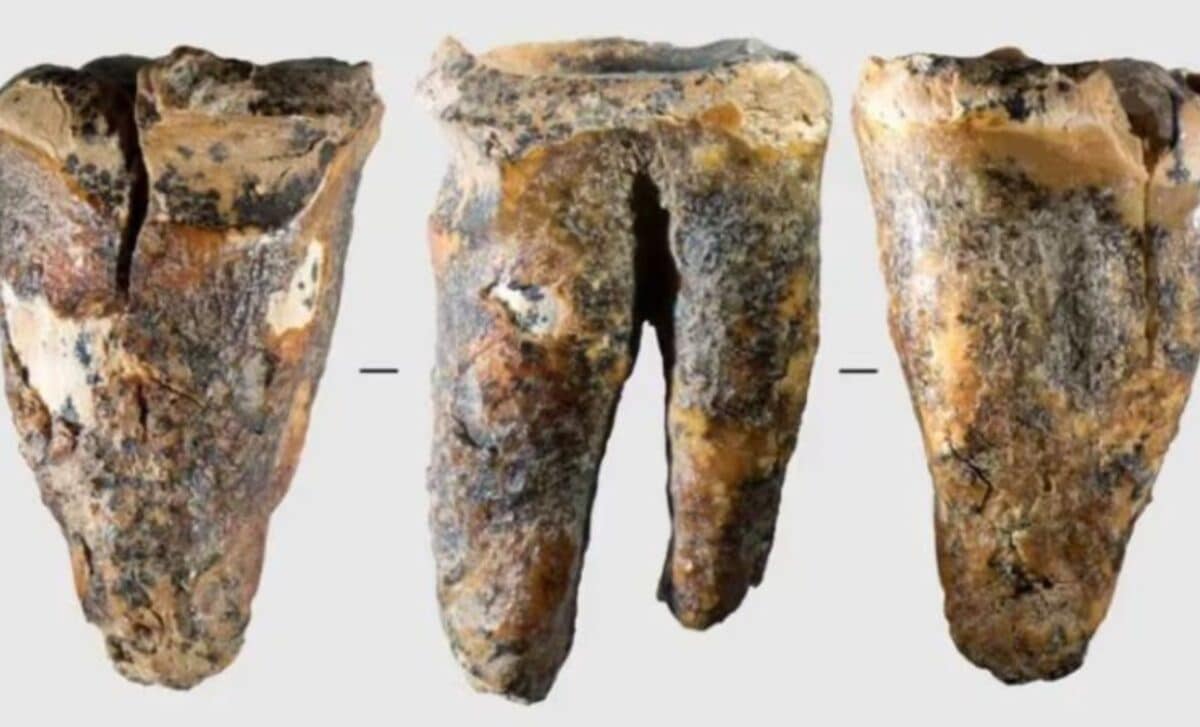
A Neanderthal molar found in Siberia is offering scientists a fascinating glimpse into the past. The 59,000-year-old tooth shows signs of a deliberate procedure to fix a cavity, suggesting that Neanderthals may have practiced a form of dentistry long before modern medicine existed.
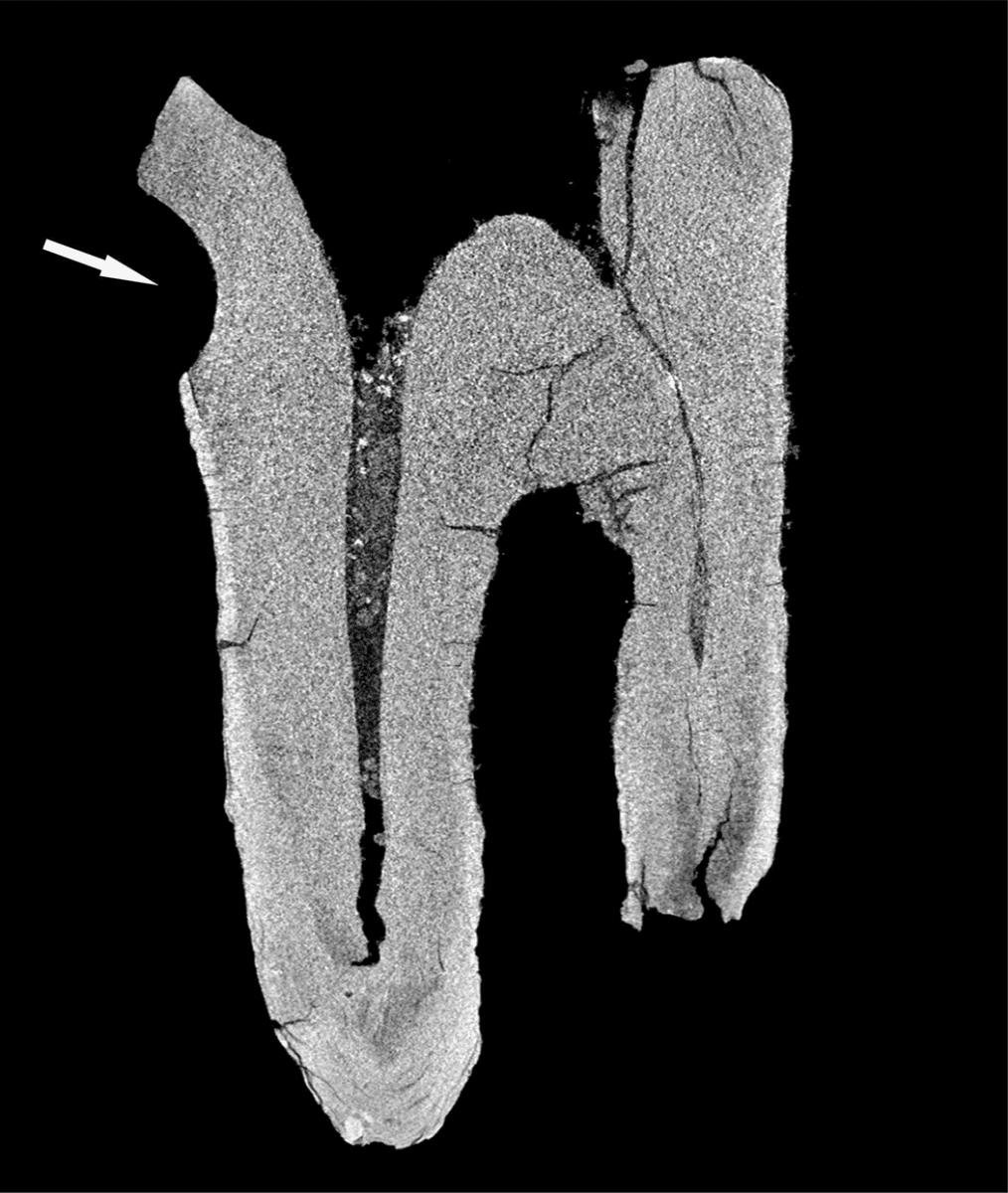
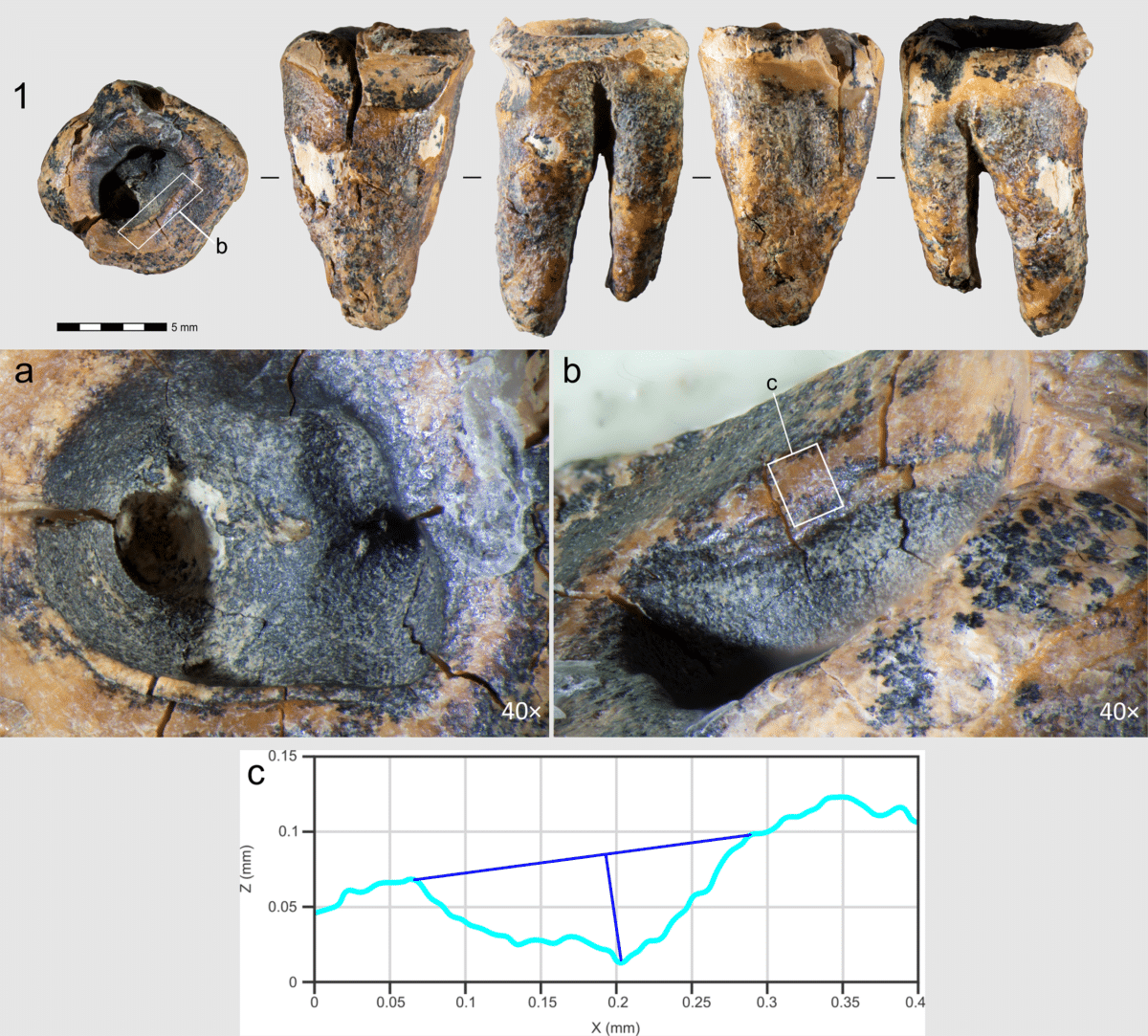
The tooth, known as Chagyrskaya 64, was discovered in Chagyrskaya Cave, located in the Altai Mountains of southwestern Siberia. Neanderthals inhabited this area between approximately 49,000 and 70,000 years ago. The molar had a deep cavity that reached the pulp chamber, the area containing nerves and blood vessels.
Around the hole, scientists observed unusual scratches and marks that did not match normal chewing wear. These clues led researchers to wonder if someone had deliberately worked on the tooth to alleviate pain.
Tools That Match The Marks
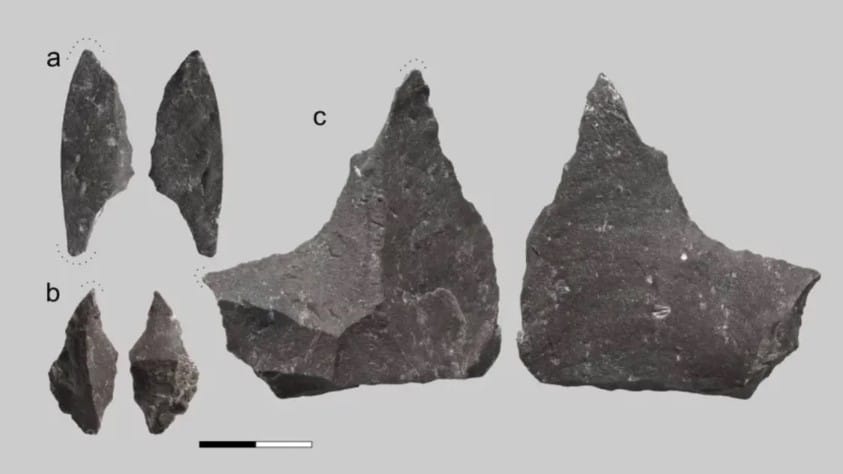
Stone tools found in the cave provided important clues. Several sharply pointed jasper implements appeared capable of creating the scratches observed on the tooth. A study published in PLOS One tested recreated tools on modern human teeth, using a bit of water to simulate a real mouth.
Researcher Lydia Zotkina drilled into the teeth and managed to remove decayed tissue in under an hour, reproducing the marks seen on the Neanderthal molar. The drilling reached the pulp chamber, which likely reduced pain by touching the nerves.
CNN notes that this experiment shows it was possible to treat the cavity intentionally. However, performing such a procedure inside a real mouth would have been even more challenging, requiring a great deal of patience and control.
Signs Of Understanding And Care
The study suggests that Neanderthals thought about what they were doing. Lead author Alisa Zubova from the Peter the Great Museum of Anthropology and Ethnography said:
“What amazed me was how intuitively the person who owned this tooth understood exactly where the pain was coming from and realized that its source could be removed,” she said.
Wear patterns on the tooth show it continued to be used after the procedure, meaning the individual survived and kept chewing.
Co-author Ksenia Kolobova from the Institute of Archaeology and Ethnography added that someone might have helped during the treatment, pointing to a close social bond, maybe a family member.
Changing How We See Neanderthals
Cavities were rare among Neanderthals due to their low-sugar diet and a richer oral microbiome. Researchers already knew that Neanderthals cared for injured group members and sometimes used plants for healing, but fixing a cavity deliberately had not been seen before.
“We have never encountered anything like this before — neither among Neanderthals nor among modern humans from much later periods,” noted Zubova.
The study shows that the procedure was precise and technically advanced. Anatomy professor Gregorio Oxilia from LUM Giuseppe Degennaro University highlighted that invasive medical care was not exclusive to modern humans but shared with Neanderthals.
“This discovery represents a genuine milestone for both anthropology and evolutionary dentistry, because it documents the crucial transition from instinctive self-medication, which we also observe in non-human primates, to a truly intentional and deliberate medical strategy,” he said.
The tiny tooth from Siberia now offers a new glimpse into Neanderthal life, showing they could identify pain, take action, and survive the process.