
A Journey of Struggle and Self-Discovery
Reece Conca, a former Australian Football League (AFL) star, has shared his personal journey through the challenges of male infertility. At 33 years old, he was diagnosed with azoospermia, a condition that results in no sperm being present in the ejaculate. This diagnosis came after tests revealed low testosterone levels and a low sperm count. For someone who had always maintained an exceptional level of physical fitness, the news was particularly devastating.
Conca, who played for both the Richmond and Fremantle clubs, spoke about the emotional toll of his diagnosis. He emphasized the lack of awareness and understanding surrounding male infertility, despite its prevalence. The impact of this revelation was compounded by the fact that he was in excellent physical shape, which made the situation even more confusing and disheartening.
The experience left him feeling confused and ashamed. He described the struggle of grappling with his identity as a man and an athlete. “I really struggled with that,” he said. “It was really quite embarrassing. I had this real sense of shame, and even my identity as a male, as an athlete.”
Speaking Out About Male Infertility
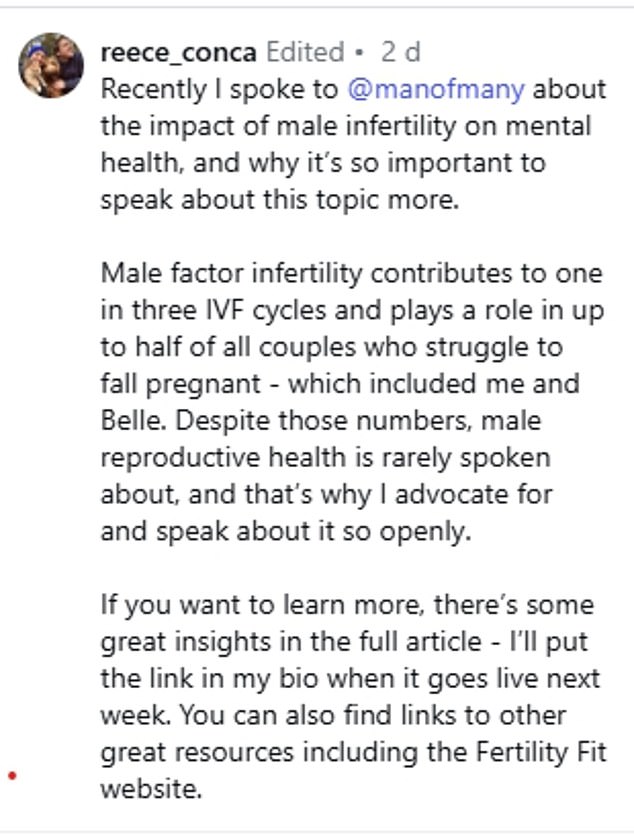
In a recent Instagram post, Conca shared his thoughts on the importance of discussing male infertility. He mentioned that male factor infertility contributes to one in three IVF cycles and plays a role in up to half of all couples who struggle to conceive. This includes himself and his partner, Belle.
Despite these statistics, male reproductive health remains a topic that is rarely discussed openly. Conca highlighted the need for more conversation around this issue. “That’s why I advocate for and speak about it so openly,” he said. He also encouraged people to seek more information, mentioning that he would share a link to a full article once it was published.

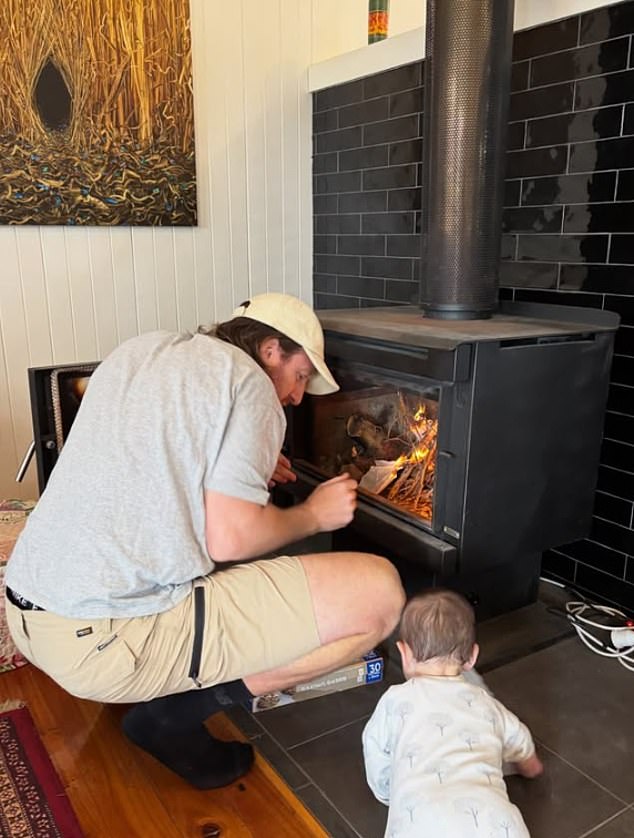
During an interview with Man of Many, Conca reflected on the confusion surrounding his diagnosis. “It was definitely quite a confusing diagnosis, mainly because it was so unknown and I didn’t really have any awareness or education around it.” He admitted that the experience was embarrassing and led to feelings of isolation.
“I’d never really been taught how to speak about your emotions and feelings and your struggles,” he added. It wasn’t until he finished his football career and sought professional psychological support that he began to understand his emotions better.
Re-defining Strength and Identity
Conca also talked about how the diagnosis affected his sense of self. “The purpose that I have in being a father now is more important than anything,” he said. “This idea of being a strong male, my identity, it definitely isn’t shaped by my masculinity or my identity as an athlete. My ability to communicate and talk about my feelings, that’s a real strength.”
He credits his journey as a father and the psychological support he received for helping him rediscover his identity. “My ability to communicate and talk about my feelings, that’s a real strength,” he reiterated.
Proactive Approach to Fertility
Conca also advised anyone trying to conceive to be proactive in their approach. He emphasized the importance of seeking help and not hesitating to ask for support. His story serves as a reminder that fertility issues are common and that open conversations can make a significant difference.
Through his openness, Conca hopes to encourage others to speak out about their struggles and seek the help they need. His journey highlights the emotional and psychological challenges of male infertility and the importance of addressing them openly and honestly.