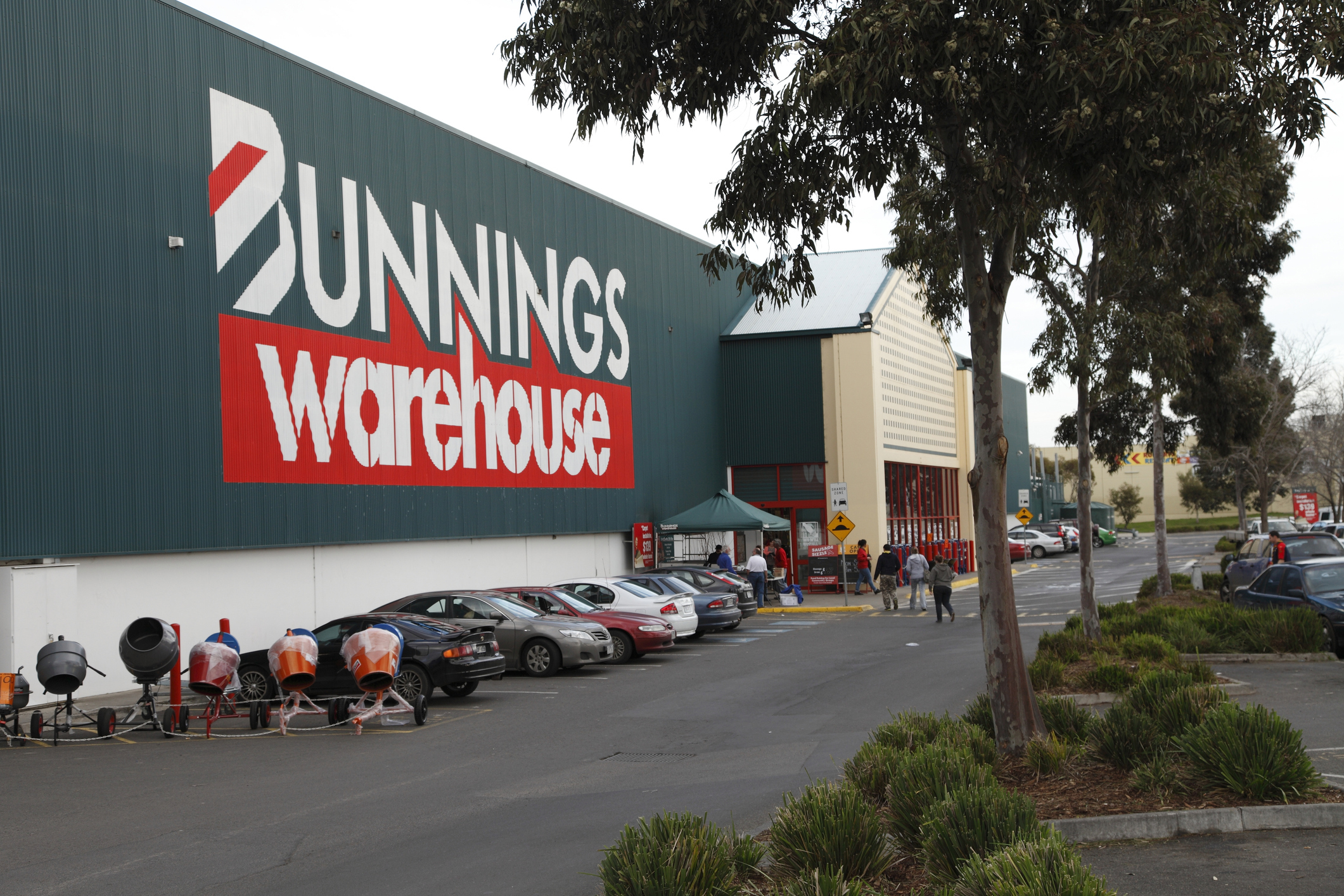
The Rise of Bunnings’ Self-Checkouts
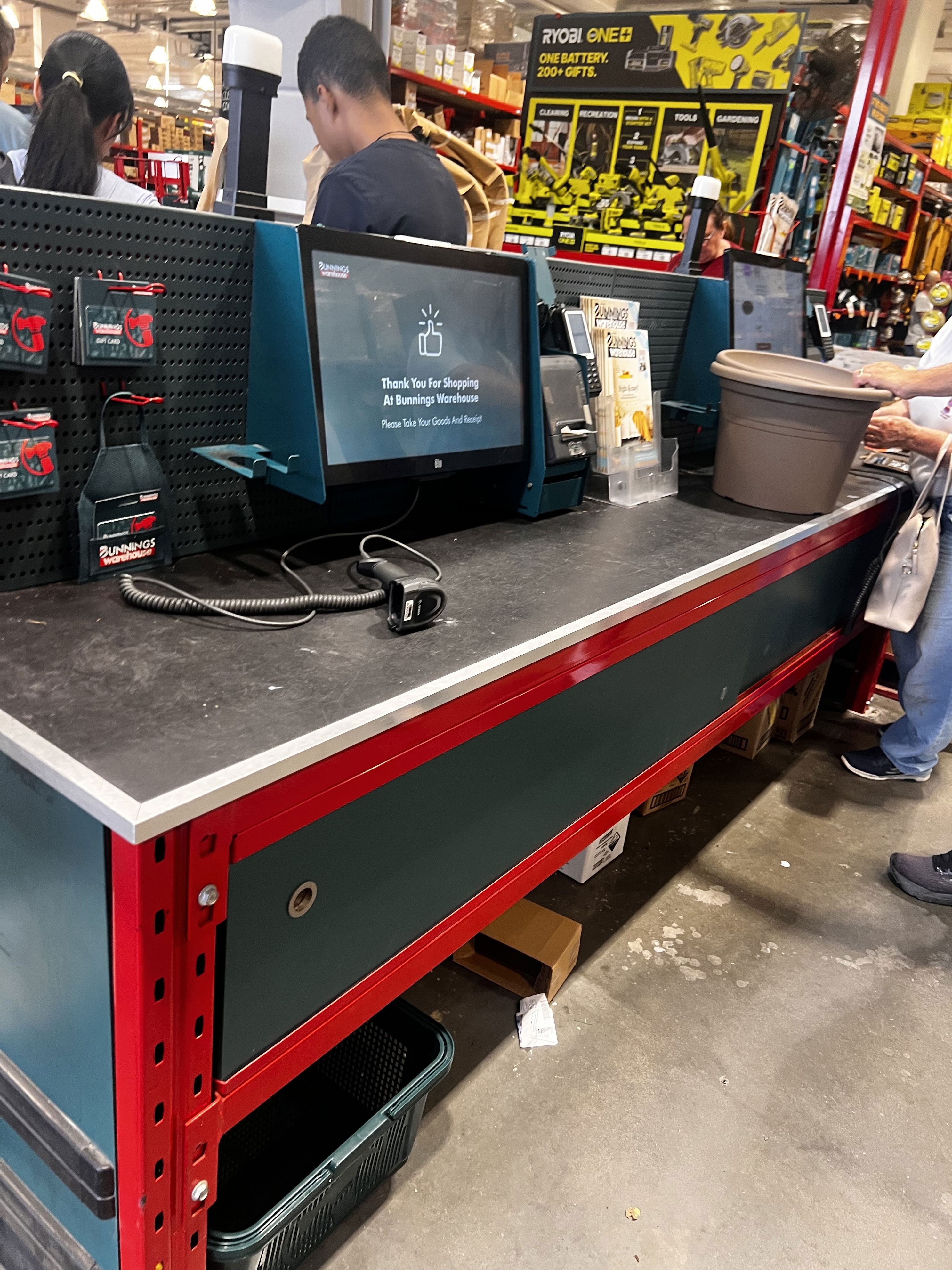
Since their introduction in the early 2020s, Bunnings’ self-checkouts have become a go-to option for DIY enthusiasts looking to avoid long queues. These kiosks are designed with ample space to handle large and bulky items, making them an attractive choice for shoppers who prefer a more efficient shopping experience. However, there is one significant limitation that many customers may not be aware of: the inability to pay with cash.
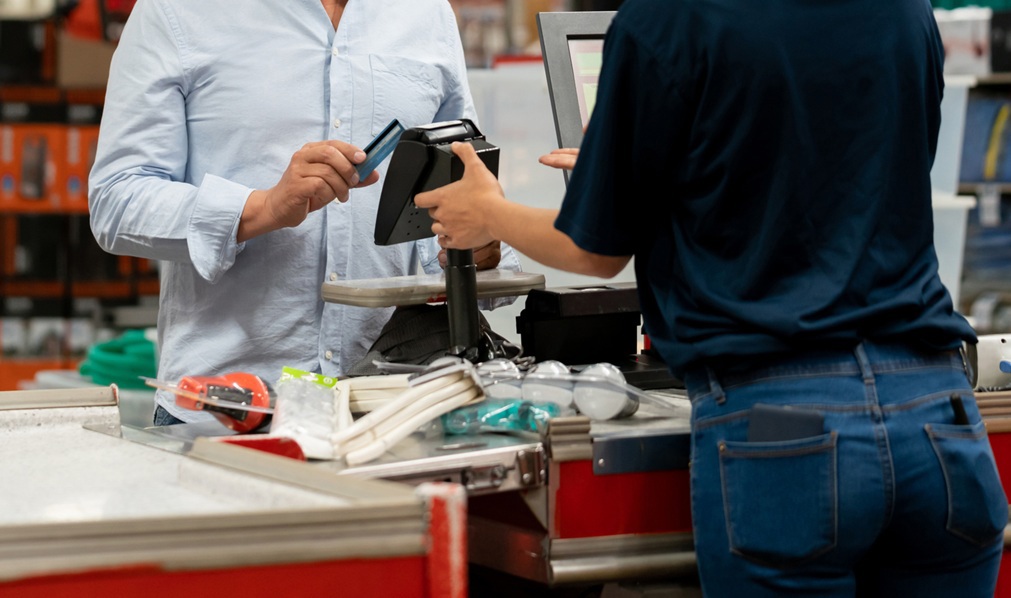
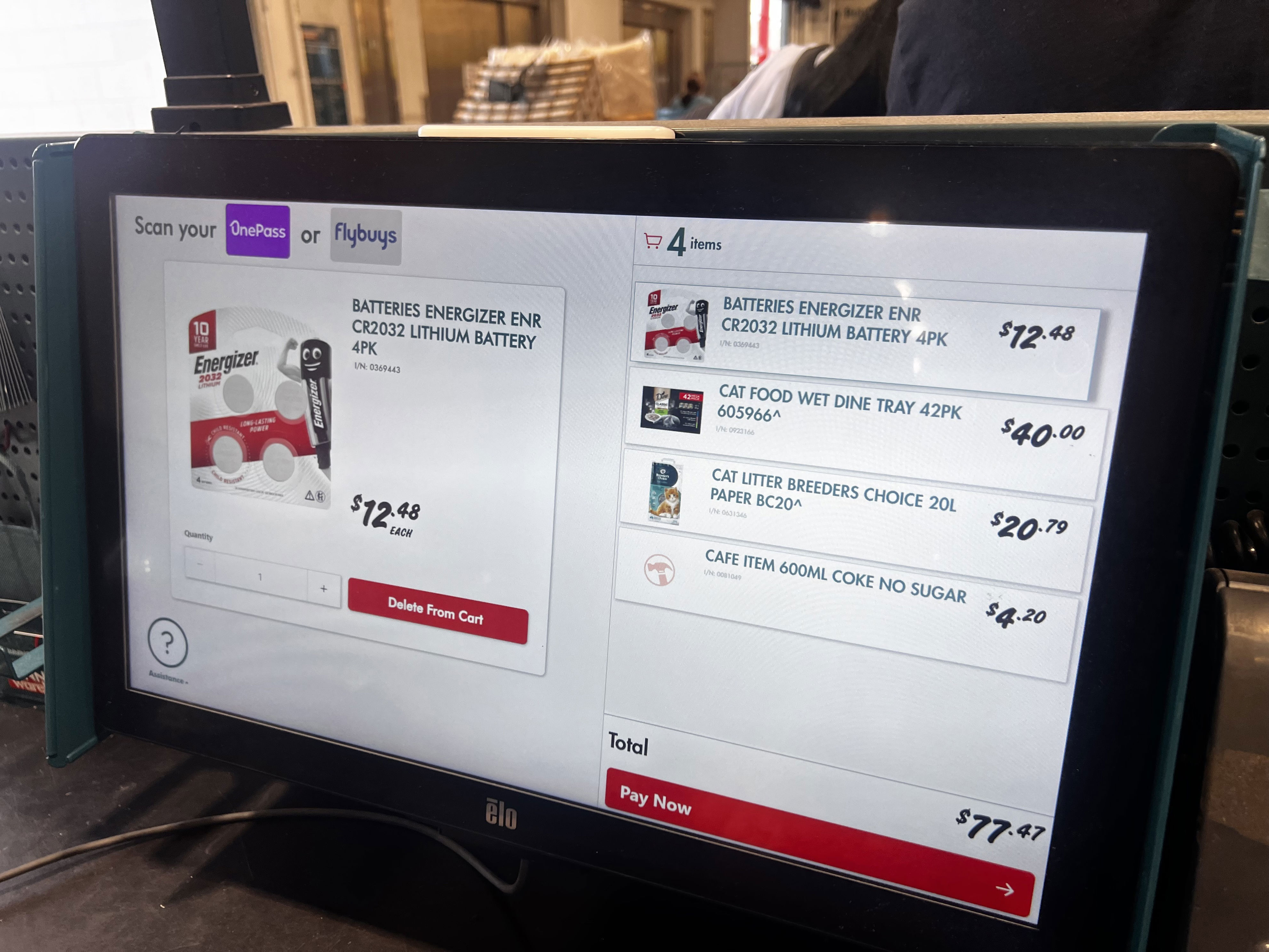
During a recent trip to purchase cat food and litter, I discovered this restriction firsthand. My partner and I headed straight to the nearest kiosks, expecting to use our wallets. Before we could even scan the first item, a staff member noticed the cash in my hand and informed us that we would need to use a staffed checkout if we wanted to pay with physical currency. This rule was completely new to me, and it came as a surprise.
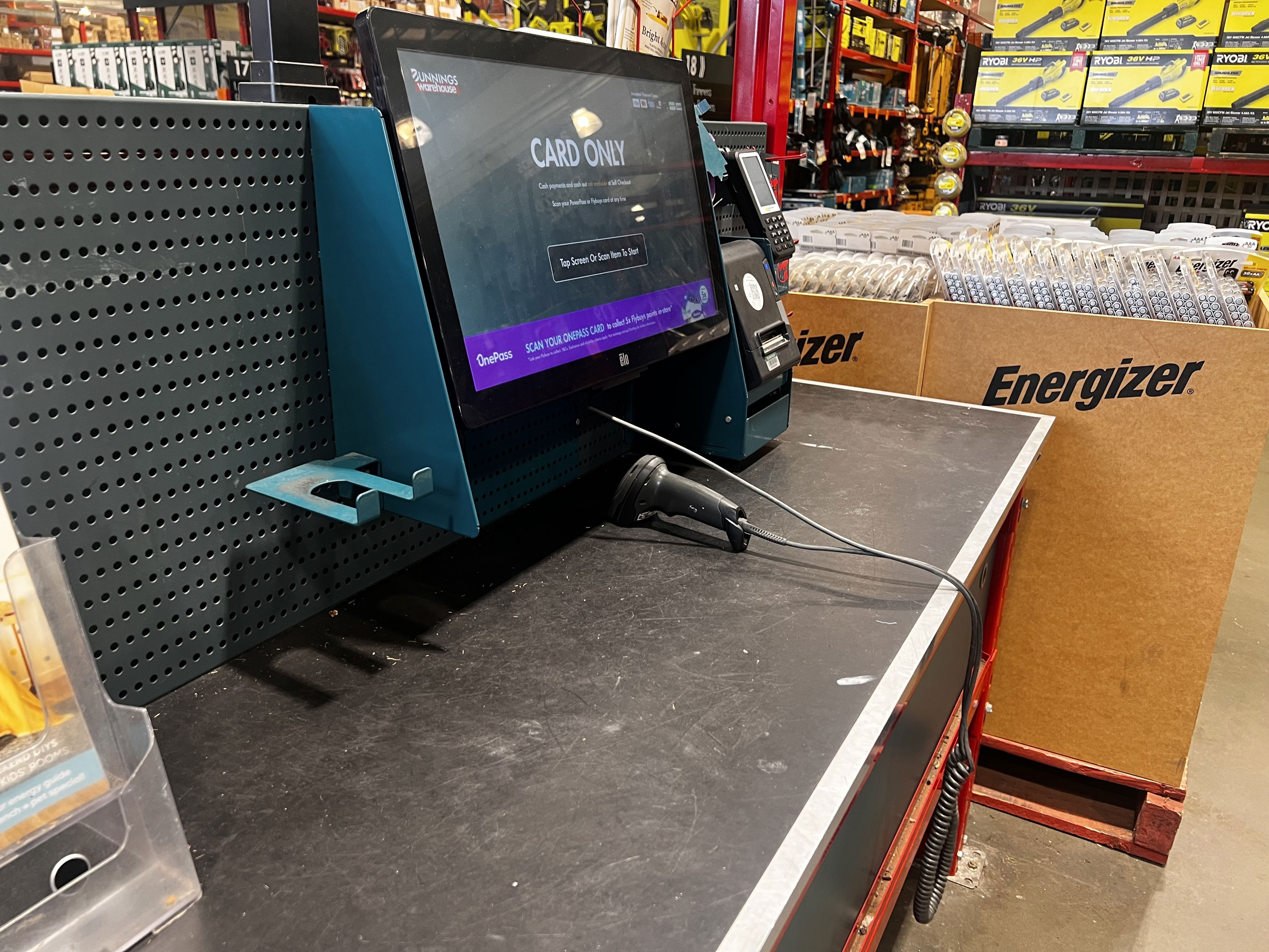
It wasn’t until a follow-up visit that I noticed the signs were there all along. On the screen, in bold, unmistakable capital letters, the message “CARD ONLY” was clearly visible. While many retailers have transitioned to cashless kiosks to streamline operations and reduce security risks, this shift has created friction for customers who still prefer using physical currency.
Despite this limitation, Bunnings’ self-checkouts have been designed with convenience in mind. Features such as scanner guns allow customers to easily scan bulk and heavy items without removing them from their trolleys. Additionally, shoppers can use gift cards to make payments at the self-checkout, including splitting payments between gift cards and debit or credit cards.
Bunnings’ Reputation and Community Involvement
Bunnings has maintained a strong reputation in Australia, recently being included on the 2026 Reader’s Digest Trusted Brands Survey. It ranked fourth on the list, following Dettol at number one, Panadol at number two, and Toyota at number three. According to Reader’s Digest, the most trusted brands this year had focused on supporting customers through economic challenges by emphasizing innovation, value-for-money, and authenticity.
Bunnings has consistently met these criteria since it launched its current “big-box” warehouse model in Australia in 1994. This model was introduced after Wesfarmers acquired the brand that same year. Wesfarmers also owns several other well-known retail chains, including Kmart, Target, and Officeworks, as well as safety product repairer Blackwoods and health brands such as Priceline and InstantScripts.
Bunnings has deepened its connection with local communities through initiatives like its iconic fundraising sausage sizzles, which are organized by local community and charity groups. The company also operates discreet in-store cafes where they are currently offering Tasmanian Bakeries’ popular Cheeseburger Pie for a limited time only.
A Shift in Retail Trends
The trend towards cashless transactions is becoming increasingly common across the retail sector. This shift is driven by the desire to improve efficiency and reduce the risks associated with handling physical currency. However, it also raises questions about accessibility and customer choice.
For many Australians, the ability to pay with cash remains an important aspect of their shopping experience. As retailers continue to modernize their payment systems, it will be essential to find a balance that accommodates all customer preferences.