The Secret to a Longer, Happier Life Lies in the Slow, Simple Rhythm of Life
For centuries, humans have searched for the key to a happy and healthy life. While there may not be one definitive answer, there is a growing movement that suggests we might find it not in the fast-paced hustle of modern life, but in the slow, intentional lifestyle of Sardinia, Italy.
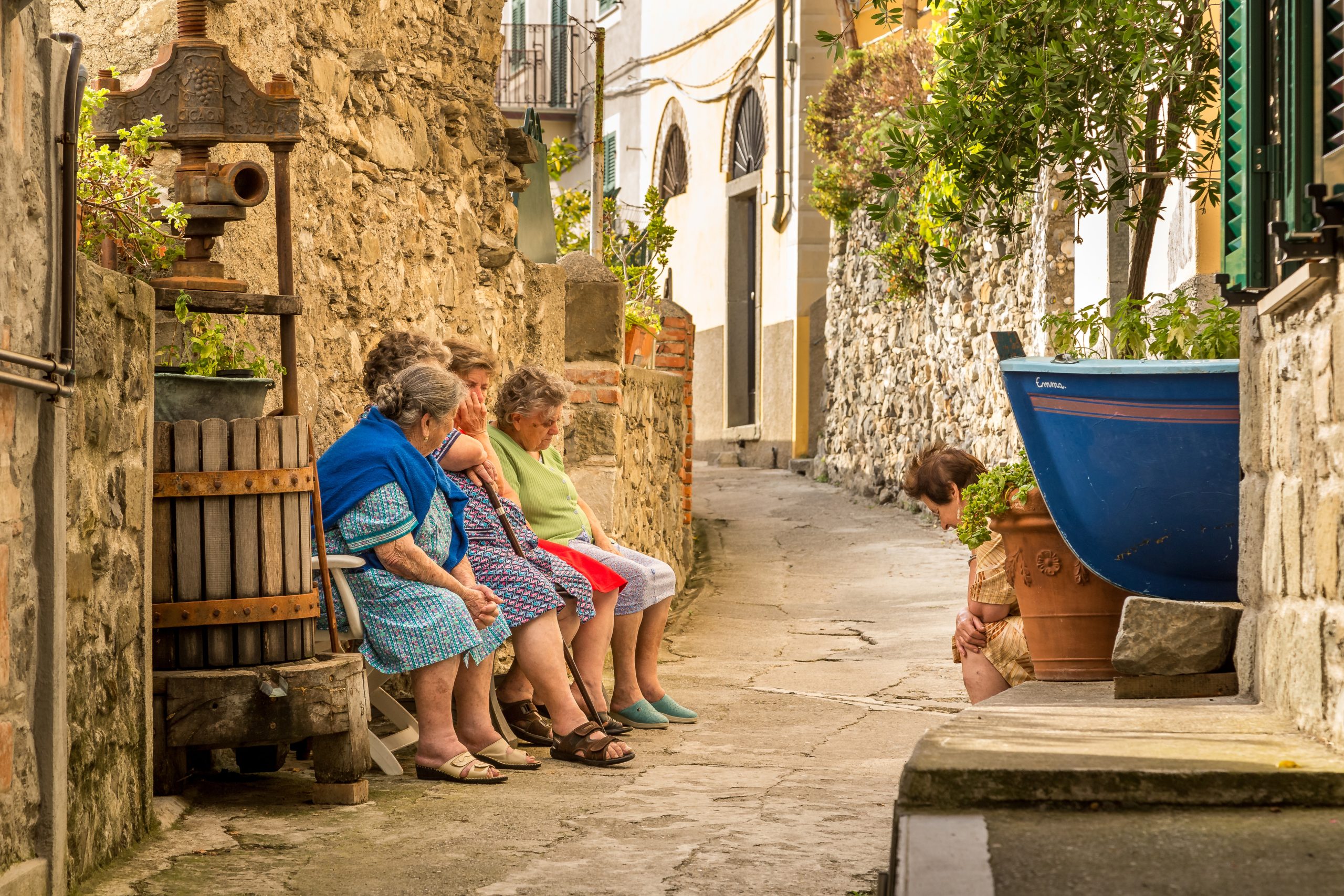
Sardinia is known for its beautiful landscapes, warm climate, and the presence of long-lived individuals who live well into their 100s. This region has become a symbol of what many are calling “Nonnamaxxing,” a term inspired by the Italian Nonne (grandmothers) who embody a way of living that emphasizes balance, simplicity, and connection.
This approach stands in stark contrast to the “grind” culture that dominates many parts of the world today. Instead of constantly pushing forward, Nonnamaxxing encourages us to slow down, enjoy the present, and prioritize well-being over productivity. It’s a lifestyle that has gained traction on platforms like TikTok, where users share tips on how to embrace this slower, more meaningful way of living.
Recent data from the 2025 Workplace Happiness Index highlights the mental fatigue faced by younger generations, particularly Gen Z workers in Australia, with 47% reporting high levels of burnout. This trend has led many to seek alternative ways of living that promote mental and physical health.

The concept of Nonnamaxxing is not limited to Sardinia or Italy. It draws from extensive research into longevity, including Dan Buettner’s work on the so-called “Blue Zones.” These regions around the world – including Japan, Costa Rica, Greece, California, and Italy – are home to people who live longer, healthier lives.
Buettner’s research identified nine key characteristics shared by these communities, which he called the “Power Nine.” These include aspects of daily life such as natural movement, stress management, purpose, diet, and strong social connections.

The Power Nine: Key Principles of Longevity
Activity – Move Naturally
Longevity is often linked to consistent, low-intensity physical activity. Rather than focusing on intense workouts, Blue Zone residents tend to incorporate movement into their daily routines through activities like gardening, walking, or manual labor. This kind of movement helps maintain overall health without the strain of heavy exercise.
Outlook – Down Shift
Managing stress is essential for a long and healthy life. Many of the longest-living individuals use daily rituals such as naps, meditation, yoga, or prayer to relax and reduce chronic inflammation. The Italian phrase “dolce far niente” – meaning “the sweetness of doing nothing” – encapsulates this idea of taking time to simply be.
Purpose – Ikigai
Having a clear sense of purpose is crucial for longevity. Whether it’s called ikigai in Japan, plan de vida in Mexico, or something else, knowing your “why” can significantly impact your well-being. Studies show that having a reason to get up each morning can increase lifespan and improve quality of life.
Diet – Wine at Five, Plant Slant, 80 per Cent Rule
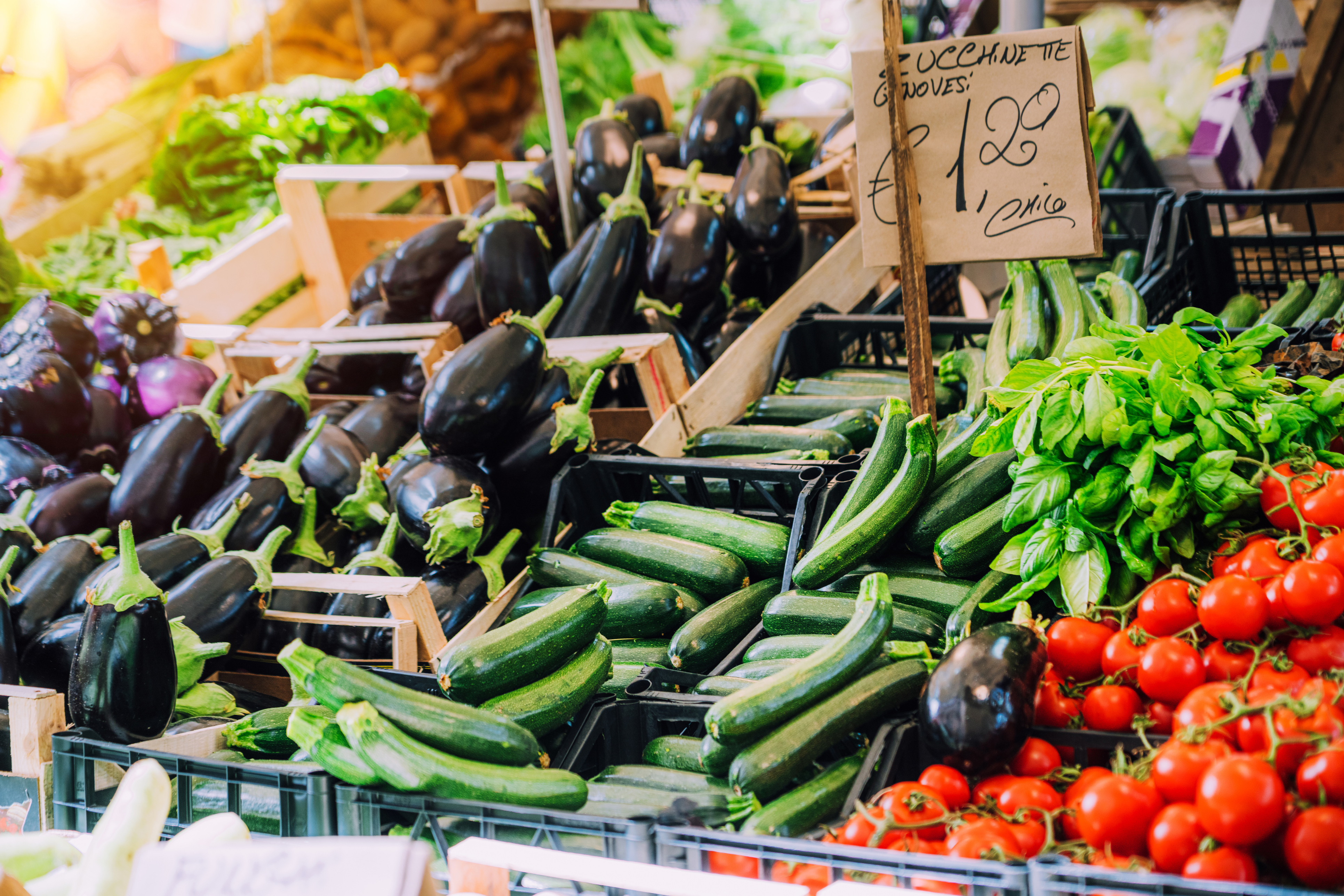
The Mediterranean diet, which is central to the Nonna lifestyle, is rich in plants, whole grains, and moderate amounts of alcohol. Many centenarians enjoy a glass of wine with friends or family, highlighting the importance of social connections in daily life.
They also tend to eat mostly plant-based foods, with very little meat or processed sugar. Additionally, they practice the “80 per cent rule,” stopping eating when they’re about 80% full and saving their largest meal for the morning.
Connections – Loved Ones First, Belong, Right Tribe
Strong family bonds and community ties are essential for a long, happy life. In Sardinia, aging parents are often kept close to the family, providing wisdom and support. Participating in a faith-based community or surrounding oneself with positive, health-conscious friends also contributes to longevity.
Embracing the Nonnamaxxing Lifestyle
While the Nonna lifestyle may seem idealized, it is entirely achievable for anyone, regardless of where they live. By incorporating elements of this approach into daily life – such as moving naturally, managing stress, finding purpose, eating mindfully, and nurturing relationships – individuals can improve their well-being and potentially extend their lifespan.
The path to a longer, happier life may not require a complete lifestyle overhaul. Small, consistent changes can make a big difference. As the saying goes, “Life is what happens when you’re busy making other plans.” Perhaps it’s time to slow down, appreciate the present, and live more deliberately.