Understanding Dingo Genetics
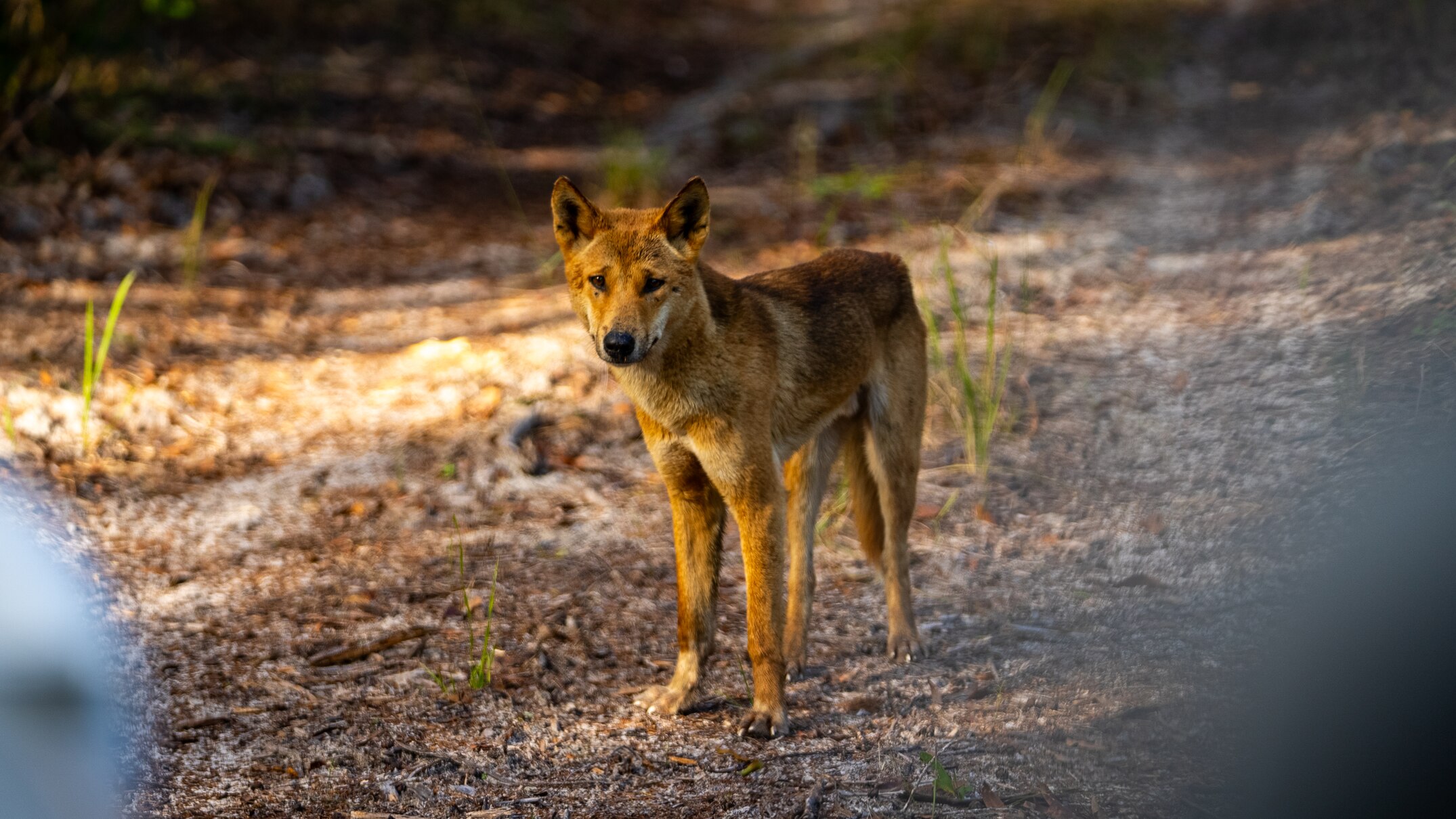
A recent study on dingo DNA has revealed that Australian dingoes typically have at least a small amount of domestic dog genetics. The research, conducted by the Australian Centre for Ancient DNA (ACAD) at Adelaide University, found that modern dingoes are approximately 88% pure. Among the 300 animals tested, an average of nearly 12% of their DNA came from domestic dogs.
This genetic composition has long been a topic of debate among scientists, conservation groups, First Nations communities, and farmers. Previous studies have yielded mixed results, with some suggesting extensive hybridization between dingoes and domestic dogs, while others indicated a higher proportion of pure dingoes.
Historical Context and Genetic Findings
In 2015, a survey by the University of Western Australia highlighted significant hybridization between dingoes and domestic dogs. This sparked renewed interest in the dingo identity debate, particularly after a 2021 study by the University of New South Wales (UNSW) found that 64% of wild canids tested were pure dingoes. A follow-up study in 2023, also by UNSW, confirmed that most dingoes in Australia were purebred.
The new Adelaide University study used ancient DNA, which predates European settlement, to determine the genetic makeup of the same animals tested in 2023. This approach provided a true baseline for comparison.
Genetic Diversity and Policy Implications
Dr Yassine Souilmi, group leader of genomics at ACAD, emphasized the importance of using ancient DNA to establish a reliable baseline. He noted that there is no clear genetic threshold to define a dingo as purebred. Instead, this determination involves policy and opinion.
The study identified eight distinct dingo groups across Australia, with significant differences in genetic purity. For example, some groups in Western Australia and on Fraser Island had less than 3% dog ancestry, while in Victoria, the figure reached up to 28%.
Dr Kylie Cairns, a conservation geneticist from UNSW, acknowledged that the new study did not debunk previous findings but added context about the challenges dingoes have faced from hybridization. She pointed out that hybridization peaked in the 1950s and 1960s, and current levels of dog ancestry do not indicate ongoing interbreeding.
Challenges in Defining Purity
Dr Cairns highlighted the difficulty of using genetic purity to define dingoes. She compared it to human genetics, noting that most Europeans have Neanderthal DNA, yet they are still considered humans. This raises the question of arbitrary thresholds in defining species.
She stressed that the goal is not to discard existing dingoes but to focus on their conservation. This perspective underscores the need for a nuanced approach to managing dingo populations.
Dingo Management Across States
The management of dingoes varies significantly across states and even within states. In north-west Victoria, lethal control of dingoes was outlawed two years ago, and similar debates are ongoing in Western Australia. Protection of dingoes has been welcomed by Indigenous groups and environmental advocates, but criticized by pest managers and the livestock industry.
The Australian Bureau of Agricultural and Resource Economics and Sciences estimates that wild dogs or dingoes cost Australia’s agricultural sector up to $302 million annually, primarily due to stock losses.
Perspectives on Management
Greg Mifsud, national wild dog management coordinator with the Invasive Species Council, welcomed the findings of the new study but noted they were not surprising. He emphasized the need for policy makers to consider the latest research while ensuring protection for livestock from predation.
Kaley Nicholson, chief executive of the Federation of Victorian Traditional Owner Corporations, called for more input from First Nations people in dingo management. She expressed concern over governments ignoring traditional knowledge and sidelining Indigenous voices.
“Traditional owners help keep the land healthy and in balance, but are often locked out by bureaucracy,” she said. “We want to see policy change that restores traditional knowledge, centres cultural practice, and reinstates traditional owners as partners in decision-making for culturally significant species.”
Conclusion
The study highlights the complex nature of dingo genetics and the need for a balanced approach to their management. As research continues, it is essential to consider the perspectives of all stakeholders, including Indigenous communities, conservationists, and the agricultural sector. By integrating scientific findings with traditional knowledge, Australia can work towards effective and inclusive dingo management strategies.