Exploring Europe with Accessibility in Mind
Deciding what to do in Europe can be overwhelming, whether it’s choosing between a mountain trail or a medieval city. When accessibility needs are added to the mix, the decision-making process becomes even more complex. According to a recent YouGov survey on accessible travel commissioned by Responsible Travel, after cost, a confidence crisis is preventing many people with accessibility needs from booking the holidays they desire.
Here, disabled travellers and accessible tourism experts share their favourite destinations in Europe—places that offer both adventure and inclusivity, helping build more travel confidence.
The Cairngorms, Scotland: A Hub for Inclusive Adventure
Karen Darke, an adventurer who was paralysed in a climbing accident when she was 21, has since won a gold medal at the 2016 Rio Paralympic Games and completed numerous other feats. She believes the Cairngorms in Scotland show that outdoor adventure and accessibility can go hand in hand.
Darke recommends starting at Rothiemurchus Visitor Centre, which serves as a great hub with accessible trails through the Caledonian Pine Forest. Nearby spots like Loch Morlich, Loch Insh, and Loch an Eilean offer varying levels of accessibility while still feeling wild and scenic.
Cairngorm Mountain is another highlight, with a funicular railway making the mountain environment and views accessible. During winter, adaptive skiing options are available through Disability Snowsport UK.
For accommodation, Darke suggests Badaguish Outdoor Centre, Glenmore Lodge, or Able2Adventure for adaptive activities such as mountain biking, handbiking, and paddleboarding.
Gothenburg, Sweden: A City with a Welcoming Vibe
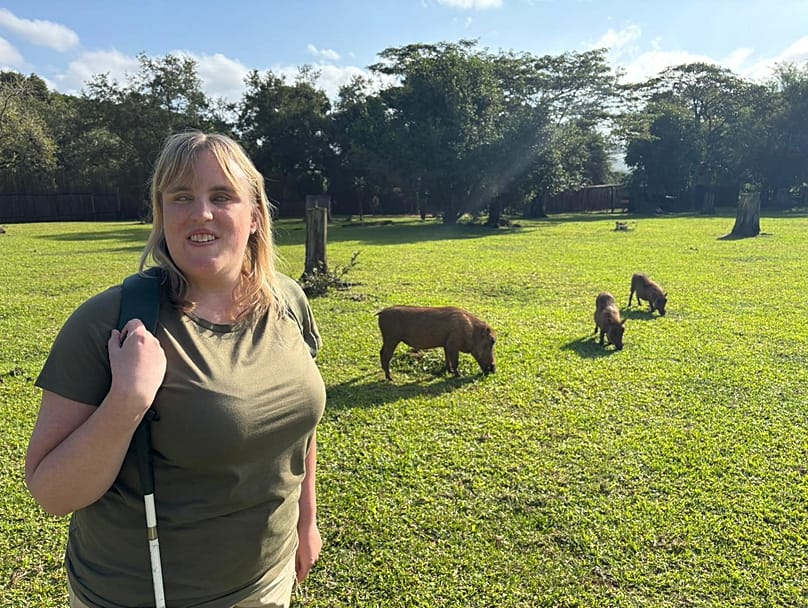
Rachel Nafzger, who is blind, finds Gothenburg to be an ideal destination. Named the EU Access City in 2014, Gothenburg offers a laid-back, open, and safe environment. Nafzger praises its excellent tram network, which helps keep her oriented and travelling smoothly.
She recommends reaching out to local people for assistance and encourages interacting with locals to gain a true feel for the city. While she suggests working with a specialist company or bringing a trusted friend, she also highlights the value of spontaneous interactions.
Berlin, Germany: A Model for Accessibility
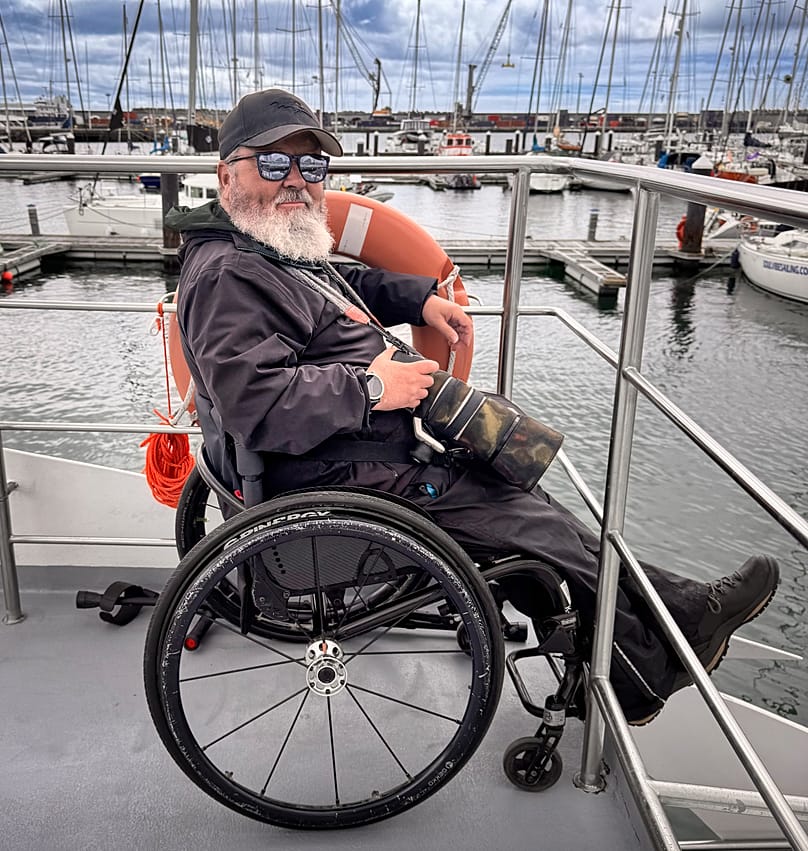
Paul Mahoney, who uses a wheelchair, has visited Berlin three times and was impressed by its accessibility. He describes the city as setting the standard for accessibility, with clear ramps at landmarks like the Reichstag, the Berlin Wall memorial, and the Brandenburg Gate.
Mahoney praises Berlin’s transport infrastructure, particularly the HoHo (hop-on-hop-off sightseeing bus), which is fully accessible with lowered ramp access and ample space inside. He also notes that a train ride to a concentration camp museum posed some challenges, which he considers remarkable given the historic nature of the buildings.
Rachel Nafzger also praises Berlin for its tactile models, including the Stadtmodelle museum, which features a large 3D tactile map of the city and smaller tactile exhibitions of famous landmarks with Braille info boards.
Amsterdam, The Netherlands: A City Designed for Accessibility
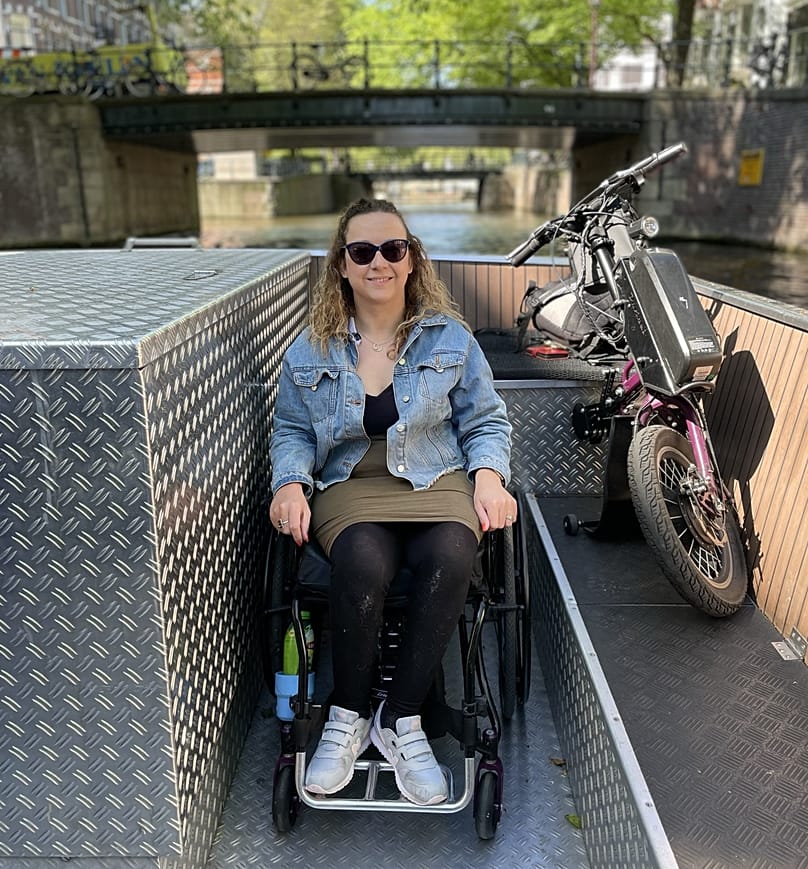
Carrie-Ann Lightley, an award-winning travel writer, returns to Amsterdam because accessibility doesn’t feel like an afterthought. The city’s flat terrain, compact layout, and accessible public transport make navigation easier than many historic European cities.
Lightley recommends staying near Amsterdam Centraal for flexibility and taking an accessible canal cruise with the Blue Boat Company for a relaxed overview of the city. She also highlights the Rijksmuseum and Van Gogh Museum for their strong accessibility provision and clear layouts.
Catania, Sicily, Italy: An Immersive Sensory Experience
Damiano La Rocca, founder of Seable, which offers tailored holidays for people who are blind or partially sighted, praises Catania for transforming sightseeing into a multi-sensory experience. The city offers sensory delights such as street food, Sicilian ice cream, and wine tasting.
La Rocca recommends the Tactile Museum, which features detailed 3D scale models of Sicily’s historic buildings. An accessible Mount Etna tour is also a must, with guides facilitating a sensory experience that includes a cable car and an accessible 4×4 jeep to the summit.
A six-day tailor-made trip to Sicily costs from £1,850 (2,134) per person, including B&B accommodation, activities, and a Seable-trained sighted guide for up to eight hours per day.