The Mental Health Crisis Among Australian Parents
A recent national survey has revealed that nearly 60 per cent of Australian parents are experiencing psychological distress, with significant effects on their children. This alarming statistic comes from the Parenting Today survey, which involved over 10,000 parents and was conducted by the not-for-profit Parenting Research Centre.
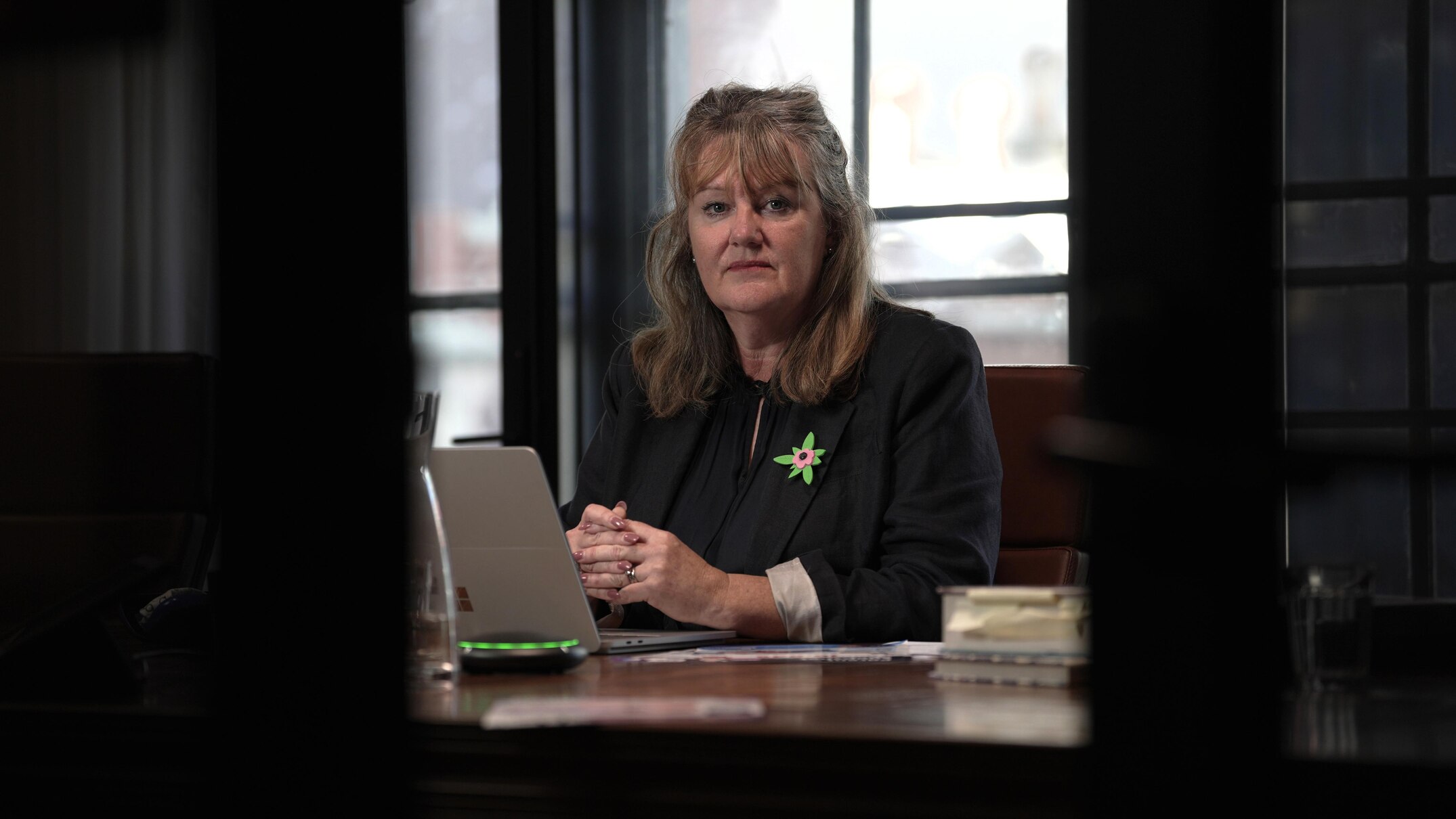
The findings highlight a growing concern for the mental health of parents across all demographics. According to Dr Catherine Wade from the Parenting Research Centre, 12 per cent of Australian parents are reporting clinical levels of depression and anxiety, while 45 per cent are experiencing moderate levels of psychological distress.
Dr Wade noted that there has been a steady decline in parent mental health over the past decade, and these struggles are “universal” and not limited to any particular gender or income group. She emphasized that when parents feel under pressure, they are less likely to engage in the parenting behaviors that help children thrive, often leading to irritability and frustration.
The Impact on Families
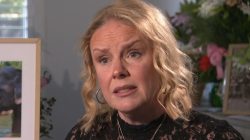
For many parents, the stress of daily life is overwhelming. Sylvia Doughty, a mother of four from the Gold Coast, shared her experience of feeling exhausted and in “survival mode” all the time. She described the emotional toll of trying to support her teenage children while managing the pressures of work and family life.
Doughty also mentioned the financial strain of the cost-of-living crisis, which has forced her family to cut back on small treats and even consider renovating their home to sell it. She admitted that this constant pressure has made her more irritable with her children, often losing her temper over minor issues.
Similarly, Melbourne mum Nicole Tandy shared her struggles with mental health and the unrealistic expectations placed on parents. She felt guilty for not living up to the idealized version of parenting seen on social media, which often ignores the challenges of daily life.
A Record Low Birth Rate
The survey findings come at a time when Australia’s birth rate is at a record low of 1.5 babies per woman. Experts warn that the challenges faced by Australian parents are contributing to this decline, which could have serious consequences for the country’s future.
Liz Allen, a demographer from the Australian National University, explained that parents are having fewer children not necessarily because they want to, but due to concerns about housing affordability, economic security, gender equality, and climate change. She criticized the idea that community-based programs alone can address these issues, arguing that structural changes are needed.
Possible Solutions
Despite the challenges, the Parenting Research Centre (PRC) suggests that there are relatively inexpensive solutions available now. They emphasize the importance of self-compassion and community-based peer support programs.
Dr Wade highlighted the MyTime program, which connects parents and carers of children with disabilities or other additional needs. She noted that forging connections between parents can help reduce feelings of loneliness and build hope and optimism.
The PRC also offers evidence-based programs such as Smalltalk, which provides practical parenting tips for families with children under three years old. Additionally, the Raising Children Network website aims to provide parenting support for children of all ages, from babies through to teenagers.
Conclusion
Dr Wade hopes that the survey will draw attention to the importance of parental wellbeing and the need to challenge unrealistic expectations of perfect parenting. She encourages parents to be kind to themselves and to treat themselves as a friend. By focusing on self-compassion and community support, parents can find ways to alleviate the psychological distress they are experiencing.