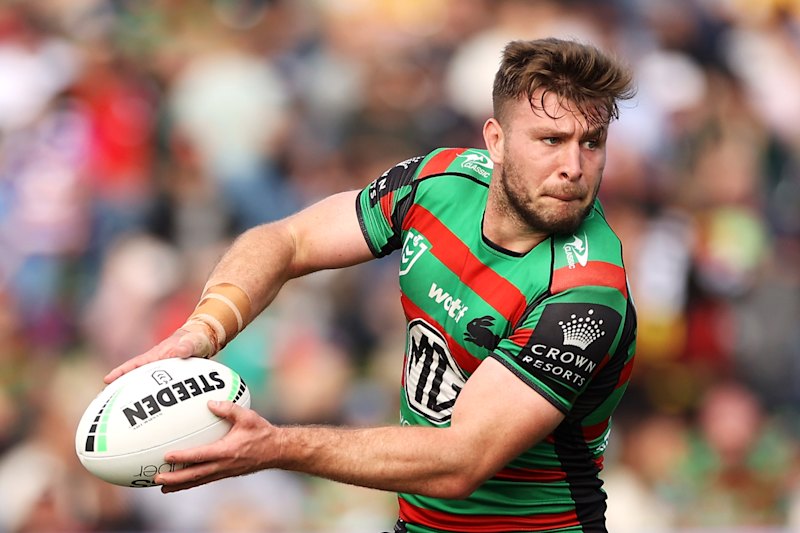
South Sydney forward Jai Arrow, 30, has revealed a devastating diagnosis of motor neurone disease (MND), effectively ending a decade-long career in the league. This news adds to a growing list of high-profile athletes who have been affected by the condition in recent years. Among them is Australian rugby league player Carl Webb, who passed away in 2023 at the age of 42 after a battle with MND. Another notable figure is legendary English rugby league player Rob Burrow, who died in June 2024. These cases have sparked renewed interest in understanding what MND is and whether there is a link between head injuries in contact sports like the NRL and the disease.
What is Motor Neurone Disease?
Motor neurone disease (MND) is an umbrella term used to describe a group of conditions that affect nerve cells known as motor neurons. These cells are responsible for transmitting messages from the brain to the muscles through the spinal cord. They play a crucial role in essential functions such as walking, swallowing, speaking, and breathing.
While MND affects individuals differently, the most common symptoms include muscle weakness and wasting as the nerves become damaged and die. Each person’s experience with the disease varies in terms of initial symptoms, progression rate, and survival time.
In Australia, approximately 800 people are diagnosed with MND each year, and the disease is responsible for about one in every 200 deaths annually. The average survival time after diagnosis is around 2½ years, although a small percentage—about 5 to 10 per cent—may live for more than a decade.
Liam O’Meara, chief executive of MND NSW, whose father died from the disease, believes there needs to be greater awareness of its impact. “It’s important to note that while it may seem rare, it’s actually more of an uncommon disease,” he says. “It’s possibly the cruellest disease you can get.” He also highlights that high-profile cases like Jai Arrow’s help draw more attention to the condition.
What Causes MND, and Is There a Connection with Head Injuries?
Ten per cent of MND cases are caused by faulty genes that can be inherited from parents, according to Professor Dominic Rowe, a clinical neurologist and researcher at Macquarie University. The remaining 90 per cent of cases are classified as sporadic MND, which is thought to be influenced by environmental factors. These include exposure to chemicals such as insecticides, pesticides, fungicides, and herbicides.
People living in rural areas of Australia are 40 per cent more likely to die from MND, which Professor Rowe attributes to the proximity of agricultural activities and exposure to harmful chemicals. Other potential risk factors include environmental lead deposition, organic solvents, and electrical injuries.
Head injury is another suspected risk factor, particularly in contact sports like rugby league, rugby union, AFL, and soccer. A 2024 position statement from the Australian Institute of Sport found that 15.4 concussions were diagnosed per 1000 hours of match play during the 2019 NRL season. A report from the Rugby League Players’ Association last year indicated that 60 per cent of NRL players continued training after suffering a suspected concussion.
However, head injuries alone do not cause MND. Instead, they may disrupt the blood-brain barrier, which protects the brain from harmful agents that could damage motor neurons. A 2022 study from New Zealand researchers suggested a link between repeated head injuries, playing sports, and an increased risk of MND. It also found a possible connection between childhood emotional trauma and the disease.
Despite these findings, O’Meara stresses that more research is needed. “That’s probably the most devastating thing… is that we don’t have the answers. We don’t know why,” he says.

What Are the First Signs of MND?
MND is not a linear disease, and early symptoms depend on where the disease begins, explains Professor Rowe. If the disease starts in the base of the brain, known as the brain stem, the first symptom might be slurred speech. If it begins in the spinal cord, it could manifest as weakness in the hands or arms.
O’Meara describes MND as “insidious,” noting that symptoms often start in the outer extremities, such as tremors. However, the specific signs vary depending on the type of MND.
Is There Any Treatment for MND?
Currently, there is no known cure for MND. For those with the most common form of the disease, sporadic MND, “we don’t yet have a therapy that dramatically changes the outcome,” says Professor Rowe. However, breakthroughs are being made. Australian researchers recently developed a promising therapy for a genetic mutation called SOD1, offering hope for future treatments.
MND is not a notifiable disease, meaning it does not need to be reported to government health authorities. O’Meara says MND Australia is advocating for this to change, as better data collection would improve research and support for those living with the disease.
More robust data will not only help fund research but also bolster funding for care and services for those already affected. “Until there is a cure, we really need a lot more funding to be on care and services right now. It’s a very costly disease,” O’Meara says.