The NRL and Queensland Rugby League Face Calls to Enforce Media Rules
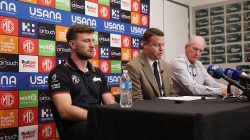
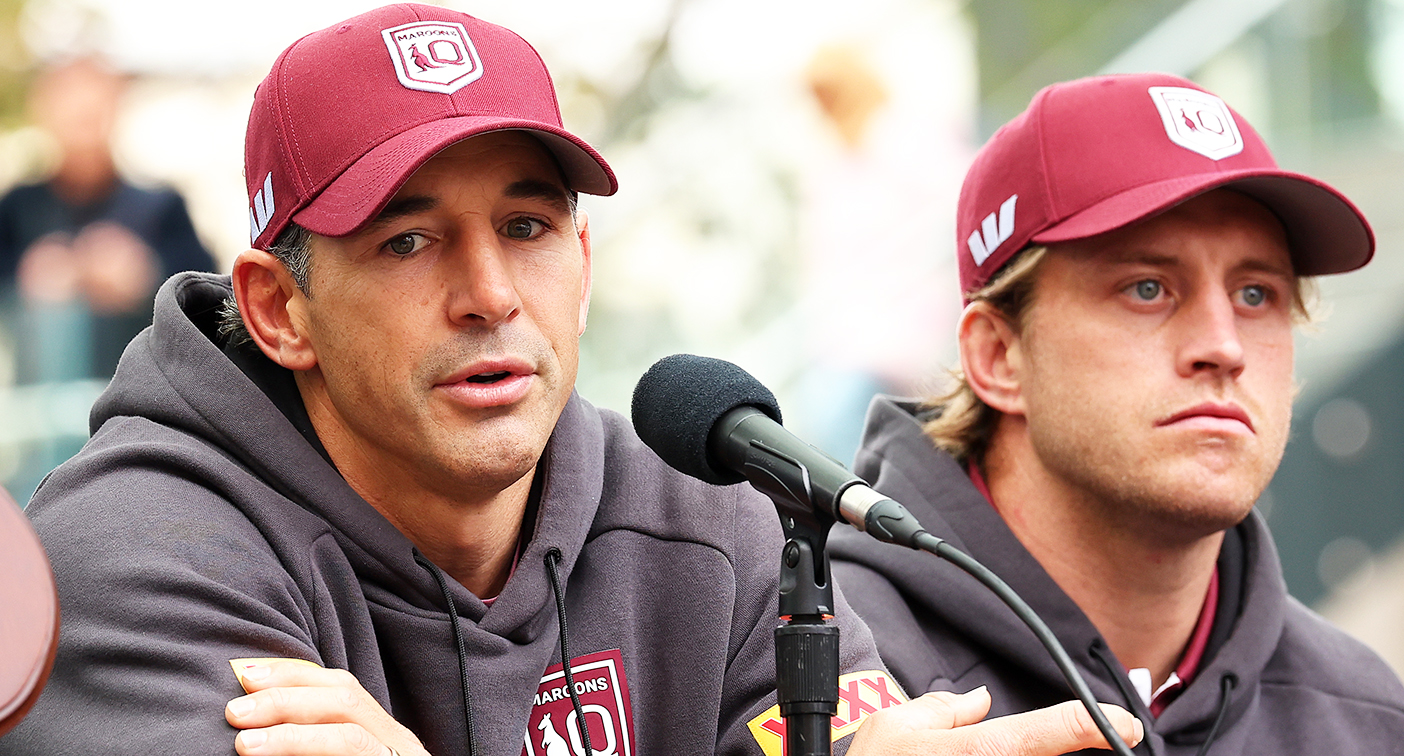
The National Rugby League (NRL) and the Queensland Rugby League are under pressure to enforce media obligations, following reports that Maroons coach Billy Slater has imposed a ban on Triple M. This development has sparked discussions about the rules governing player-media interactions during State of Origin events.
Slater’s conflict with Triple M began last year when former NSW player Aaron Woods referred to him as a “grub.” In response, Slater addressed the issue in a strongly-worded press conference, which appeared to resolve the matter at the time. However, recent reports suggest that Slater has now effectively black-listed Woods’ Triple M radio show, hosted by Beau Ryan and Cat Lynch, and will not be speaking to them this year.
Woods, who was involved in the initial controversy, expressed his views on-air last week, stating: “Honestly, I deserve the black-listing but you guys (don’t),” he said. “Honestly it doesn’t bother me one single bit. If he wants to have a cry, he can have a cry. I couldn’t care less.”
Should Billy Slater Be Compelled to Speak to Triple M?
Veteran NRL journalist Paul Kent highlighted the situation on his ‘Kenty Blitz’ podcast, arguing that Slater’s ban on Triple M is against the rules. According to Kent, the NRL and QRL should require Slater to make himself available to Triple M, especially since the network has paid a licensing fee and is an official broadcaster of the Origin series.
“Triple M pay a license to call the game and to [do interviews],” Kent said. “He should be made to talk to them. Queensland Rugby League should say ‘you have to sit down and talk to them.’”
Kent also pointed out that while the NRL and QRL often overlook media obligations, there is an expectation that players will engage with the media, even if they prefer not to. He emphasized the importance of promoting the game professionally.
Media Obligations and Player Bans
This situation echoes previous instances where players like Latrell Mitchell and Spencer Leniu faced self-imposed media bans during last year’s State of Origin series. Under NRL rules, all players must be available to the media, including during State of Origin camps, at least once every few weeks.
Mitchell, for example, ended his media blackout after going 18 months without speaking to the press. While clubs often choose not to enforce these rules to allow star players to focus on their performance, the debate over media obligations continues to raise questions about professionalism and responsibility.
Key Points to Consider
- The NRL and QRL are being urged to enforce media rules, particularly regarding player availability.
- Billy Slater’s reported ban on Triple M has raised concerns about compliance with existing regulations.
- Triple M has a licensing agreement with the NRL and is considered an official broadcaster of the Origin series.
- Previous cases, such as Latrell Mitchell’s media blackout, highlight the challenges of enforcing media obligations.
- Clubs often prioritize player performance over strict adherence to media rules, but the debate over professionalism remains ongoing.