A New Way to Detect Osteoporosis
A simple eye test could potentially reveal a person’s risk of developing osteoporosis, a condition that weakens bones and increases the likelihood of fractures. In the UK alone, nearly 3.5 million people live with this disease, which predominantly affects post-menopausal women.
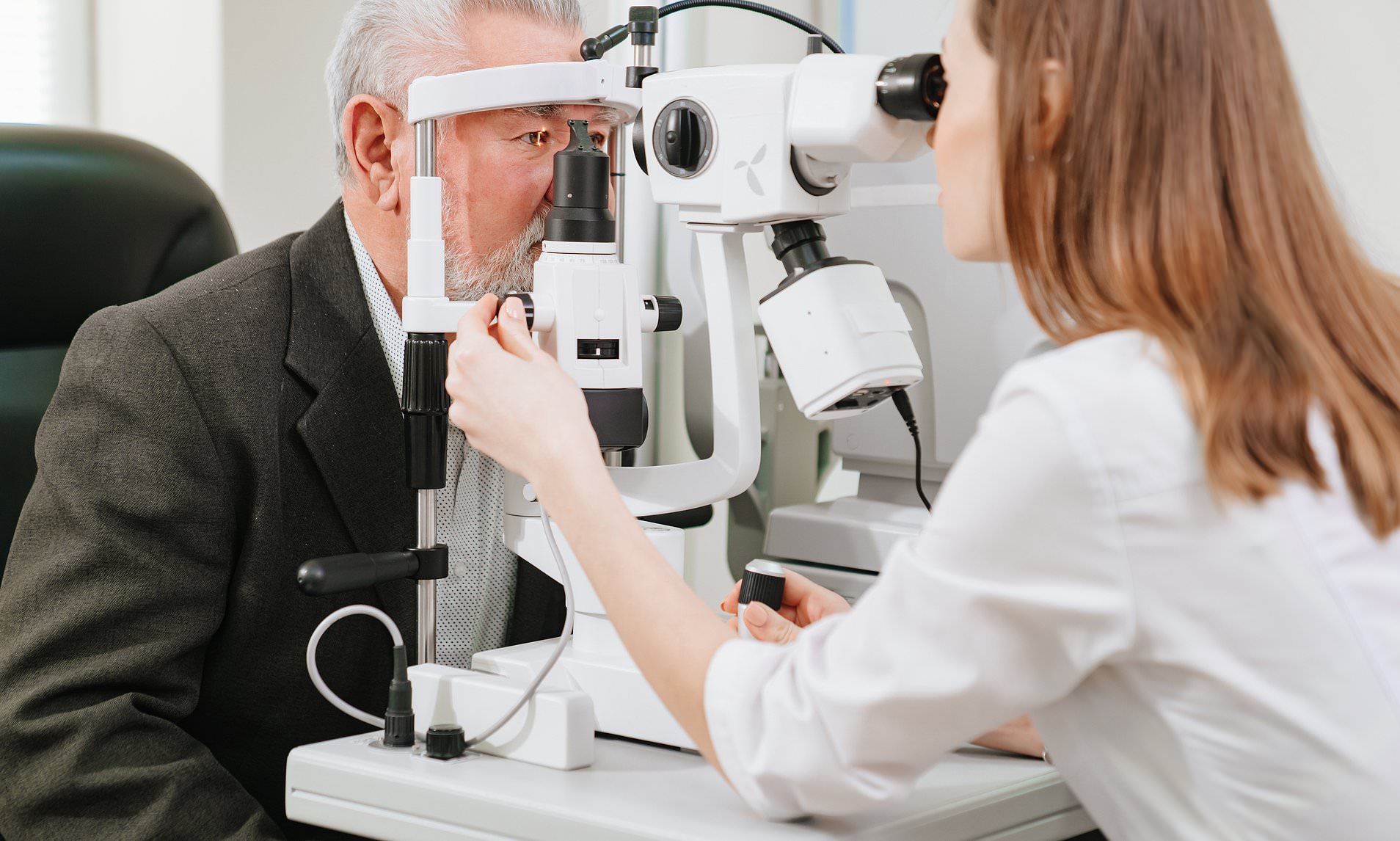
Recent research conducted by Singaporean scientists has explored the connection between retinal scans and bone health. The study involved scanning the eyes of nearly 2,000 individuals and comparing the results with bone mineral density tests. Researchers discovered that the older a person’s retina score—determined through an AI scan—the lower their bone mineral density score was, indicating a higher risk of fractures.
This finding was further supported by an analysis of 44,000 people from the UK, reinforcing the potential of retinal scans as a tool for assessing bone health. The retina, a thin layer of light-sensitive tissue at the back of the eye, has already been used in past studies to detect cardiovascular disease. Experts believe the retina is a crucial window into overall health because it allows visualization of blood and neural vessels without invasive procedures.
The researchers concluded that retinal biological aging may reflect broader aging processes related to skeletal health. They suggested that retinal imaging could offer a simple, non-invasive, and accessible method for opportunistic screening for osteoporosis risk. Currently, detecting osteoporosis requires expensive scans, often administered after a person has already suffered a fracture.
Efforts are being made to improve early detection and treatment of the condition. The Mail on Sunday, in collaboration with the Royal Osteoporosis Society, has been advocating for the full rollout of fracture liaison services. These screening clinics aim to identify osteoporosis before a debilitating fracture occurs.
The Royal Osteoporosis Society estimates that 2,500 people die each year from preventable hip fractures. Craig Jones, the charity’s chief executive, emphasized the importance of new studies in early diagnosis and treatment. He stated, “Delayed diagnosis is the reason so many people are left vulnerable to life-changing fractures.”
By leveraging retinal scans, healthcare professionals may be able to identify individuals at risk of osteoporosis more efficiently. This could lead to earlier interventions and improved outcomes for patients. As research continues, the potential for using eye scans as a diagnostic tool for bone health holds promise for the future of osteoporosis care.