Urgent Call for Blood Donations as Supplies Dwindle
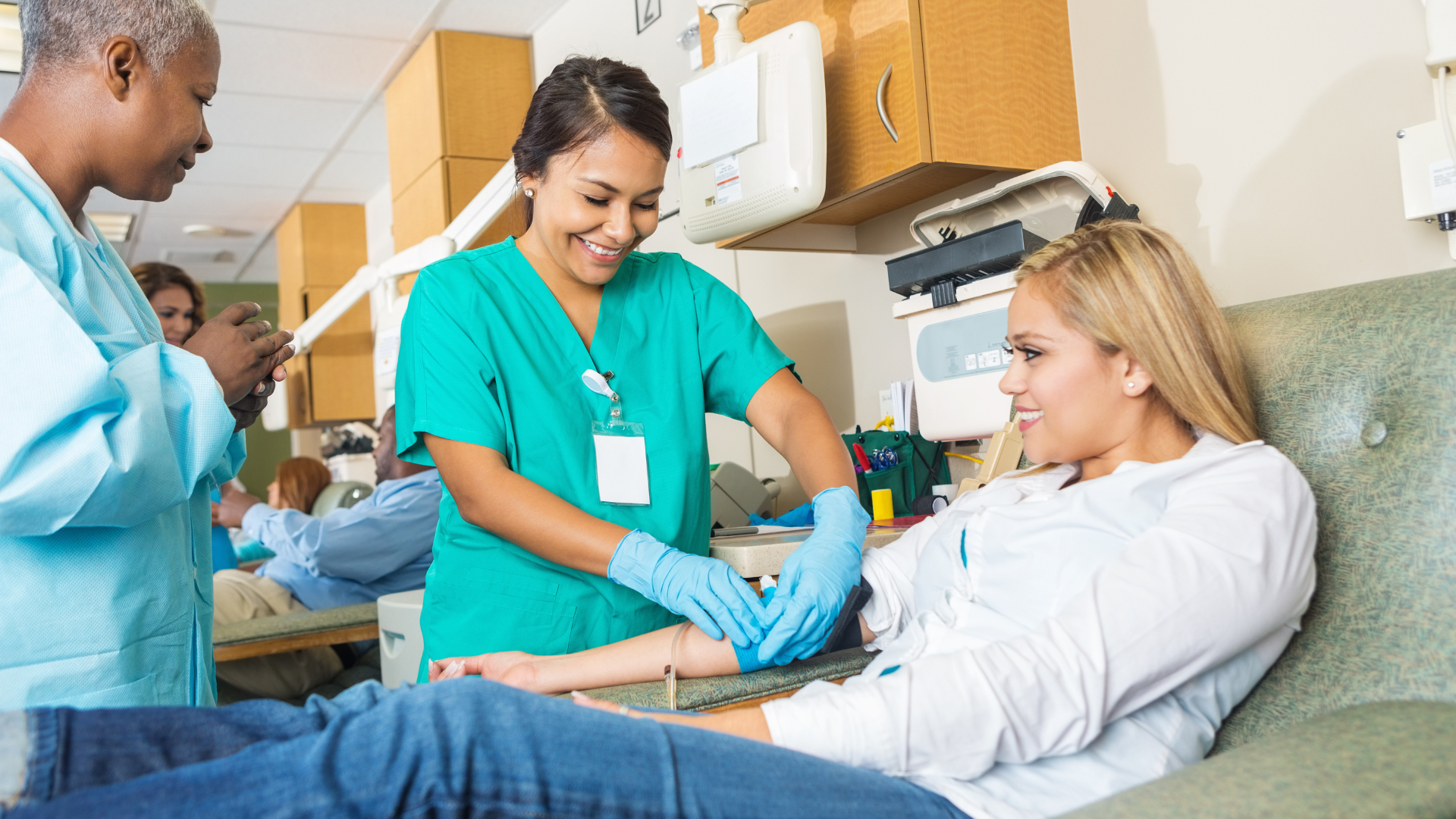
Australian Red Cross Lifeblood is urgently calling for blood donations as supplies have dropped to critically low levels ahead of winter. The cold and flu season typically leads to a spike in appointment cancellations, which adds further pressure on already strained stocks. With the demand for blood expected to rise, the organization is urging Australians to book an appointment now to ensure hospitals are not left without enough supply.
Type O and A blood are in particularly high demand for cancer treatment, surgery, trauma care, and childbirth. These blood types are frequently ordered by hospitals, making them crucial during times of crisis. Lifeblood spokesperson Cath Stone is urging all Australians to roll up their sleeves and contribute to this vital cause.
A Personal Story of Survival
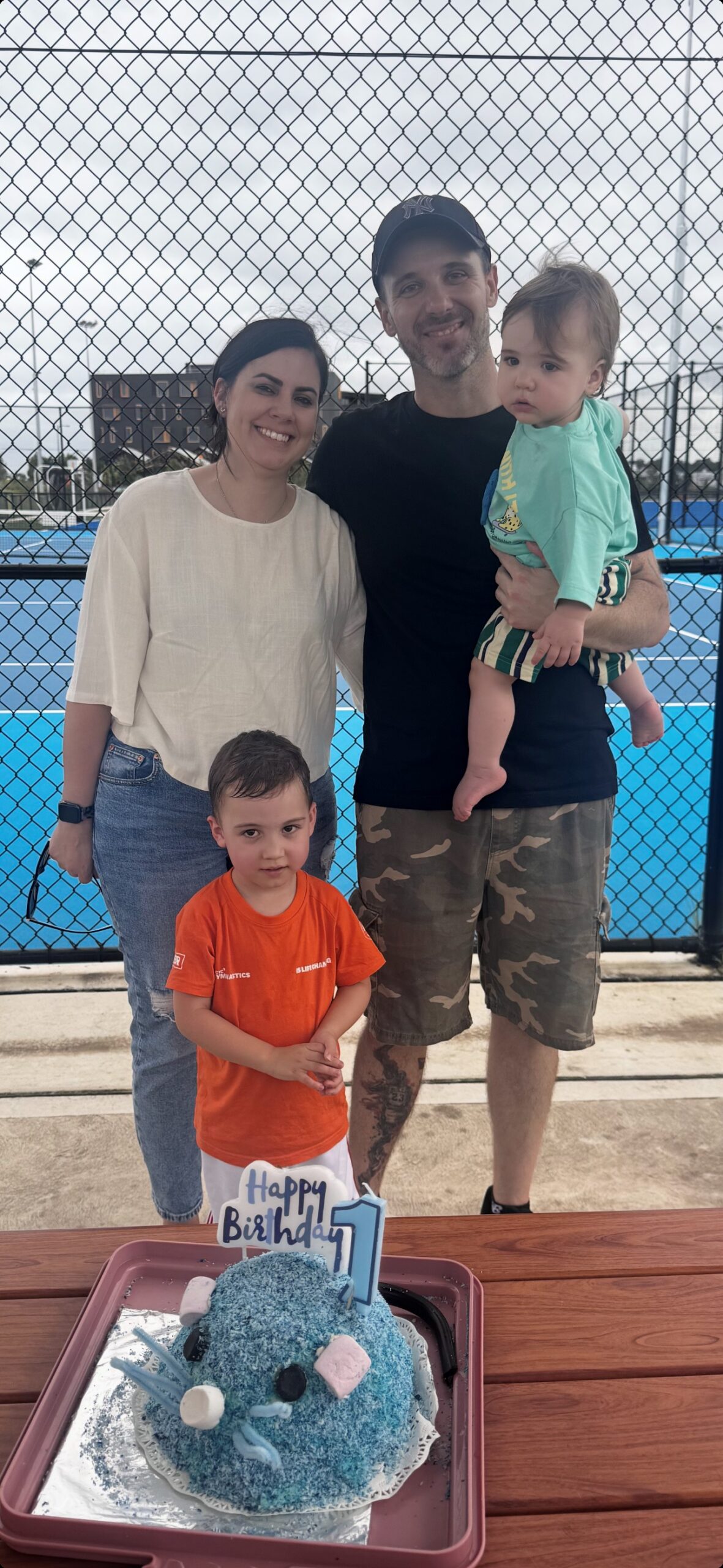
Sydneysider Emma Piccolotto knows just how vital blood donation is. Early on in her last pregnancy, she was diagnosed with placenta accreta – when the placenta attaches deeply to the uterine wall – and was told she would require surgery to remove it, involving a hysterectomy. What she didn’t expect was that, at 32 weeks pregnant, she would come dangerously close to losing her life after a placental abruption caused her to haemorrhage so horrifically that she required multiple life-saving blood transfusions.
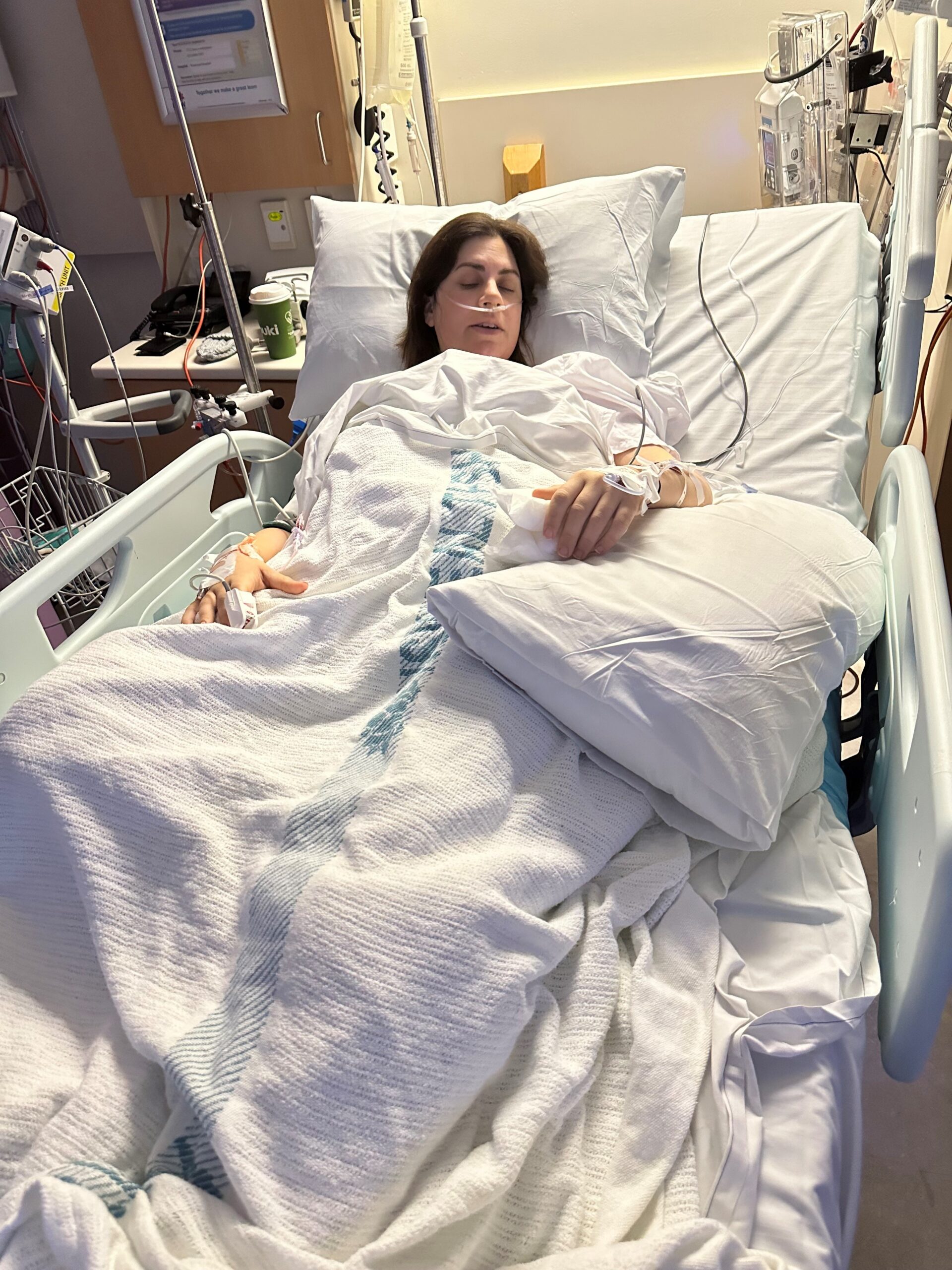
Emma went to bed early that fateful night in March 2025, feeling “really average.” Waking up around 11pm, she went to the bathroom. “I could see that there was blood coming out of me, and so I said to my husband, ‘We need to call the ambulance right away,’” Emma, 38, tells New Idea. “Within a matter of seconds to minutes, the blood started literally pouring out of me.”
Told by the emergency operator there were no ambulances in the vicinity, Emma and her husband, Mathew, were forced to endure an agonising 40-minute wait for help. Emma’s blood soaked through all their towels as they waited – losing more than two litres by the time the ambulance arrived. “I was in and out of consciousness due to the blood loss,” she explains. “They took me downstairs on a stretcher, put me into the ambulance, and I remember meeting another ambulance halfway down the road that had urgent blood supplies. Then they started giving me blood transfusions in the back of the ambulance. So then it was a bit of a trip to Westmead Hospital.”
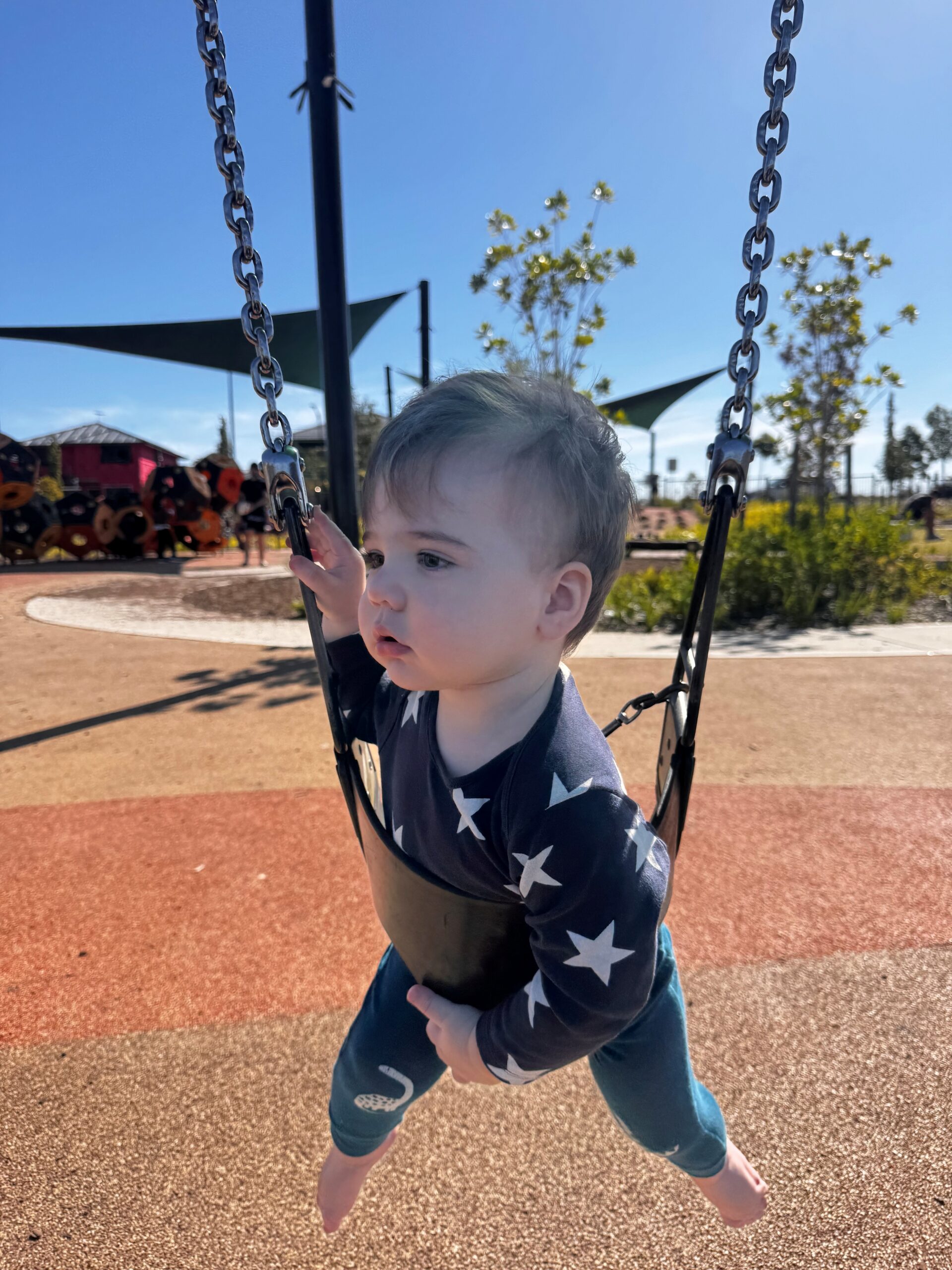
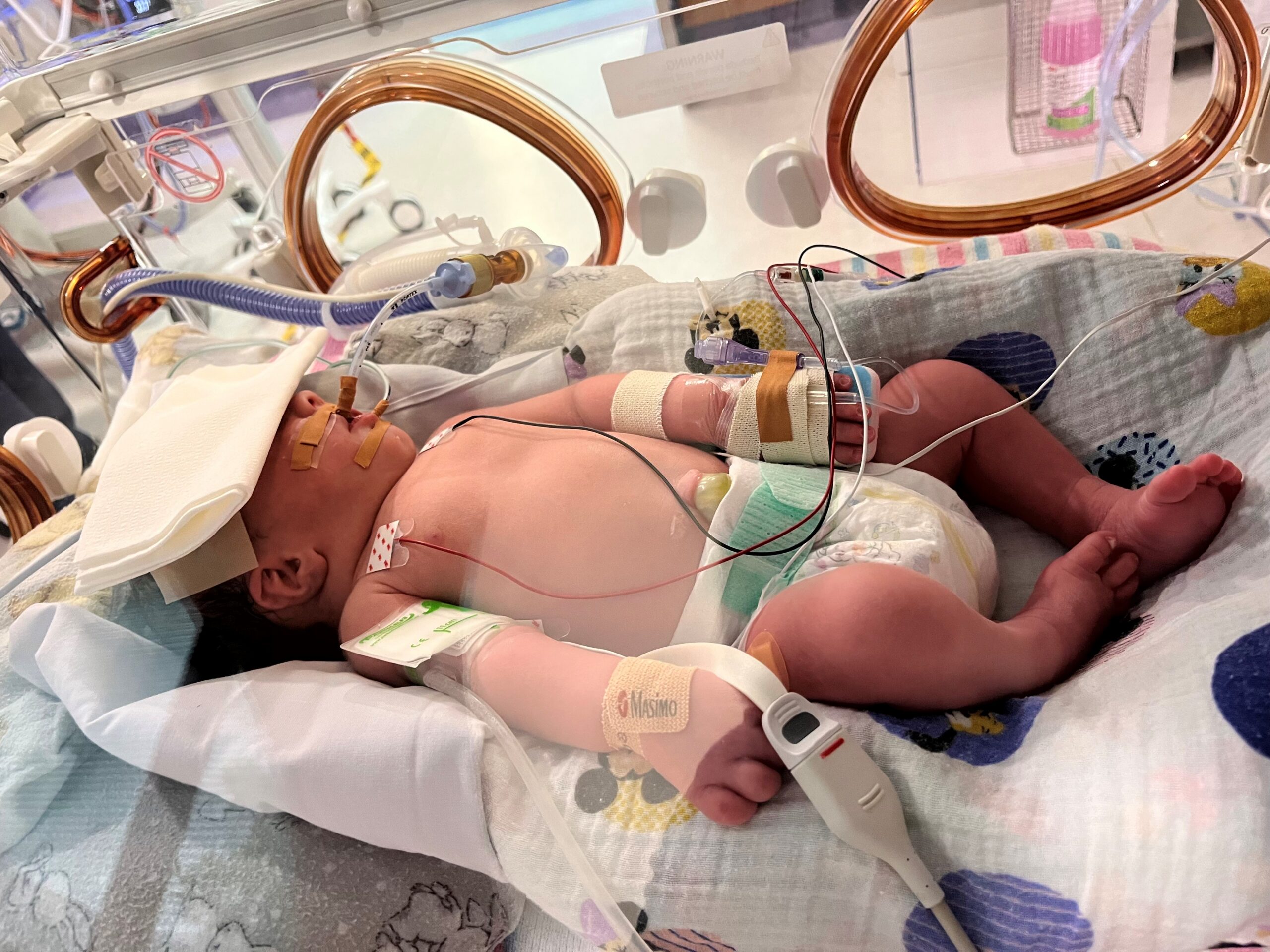
Rushed into surgery upon arrival, Emma woke seven hours later to the news she’d welcomed a relatively healthy 2.3kg baby boy – and that she’d lost a further five to six litres of blood. The hardest thing, she reflects, was not being able to have that special bonding time with son Marcus, who was being closely monitored in the neonatal intensive care unit (NICU). “I wasn’t able to see him for quite some time, because I physically couldn’t move, and they couldn’t bring him to me – being that he was in the NICU, they needed all the monitoring stuff around him,” she says.
“My obstetrician said to me, ‘We almost lost you.’ They had to resuscitate me during the operation, and she advised me how much blood they needed to transfer to me – it was 15 units of blood. There were another five platelets, there were various other blood products, like white blood cells and stuff, that were given to me.”
“Meanwhile, I’m just grateful that my son was born alive, because I couldn’t feel him moving throughout this whole ordeal. He’d been very active during my pregnancy, so when I started bleeding, I literally couldn’t feel him.”
She may not have been aware of just how vital blood donation was before she required a transfusion herself, but Emma is now helping educate others about its importance. “I would never, in my wildest dreams, have thought that I would need 20 people to save my life, and I am just one person,” Emma says. “And the fact is that blood only has a shelf life of 40-something days. We even import plasma from overseas because we don’t have enough of a supply in Australia. All I can say is roll up your sleeve. It’s an hour of your time, just do it. I will never say no to a blood donation.”
Related Stories
- Urgent nationwide search underway for rare blood type
- The silent blood disorder that every Australian needs to know about – and ways to help
- EXCLUSIVE: How blood donors gave Michael Klim his life back in incurable disease battle