The EV Market: A Mixed Bag of Progress and Setbacks
Electric vehicles (EVs) have come a long way in recent years, with advancements in technology and infrastructure making them more appealing than ever. However, the journey has not been without its challenges. While the cars themselves and the charging networks they depend on have never been better, the political landscape surrounding EV adoption has become increasingly complex. This year has seen a stark contrast between the progress being made and the roadblocks put in place by federal policies.
Gen 3 EVs: A New Era of Innovation
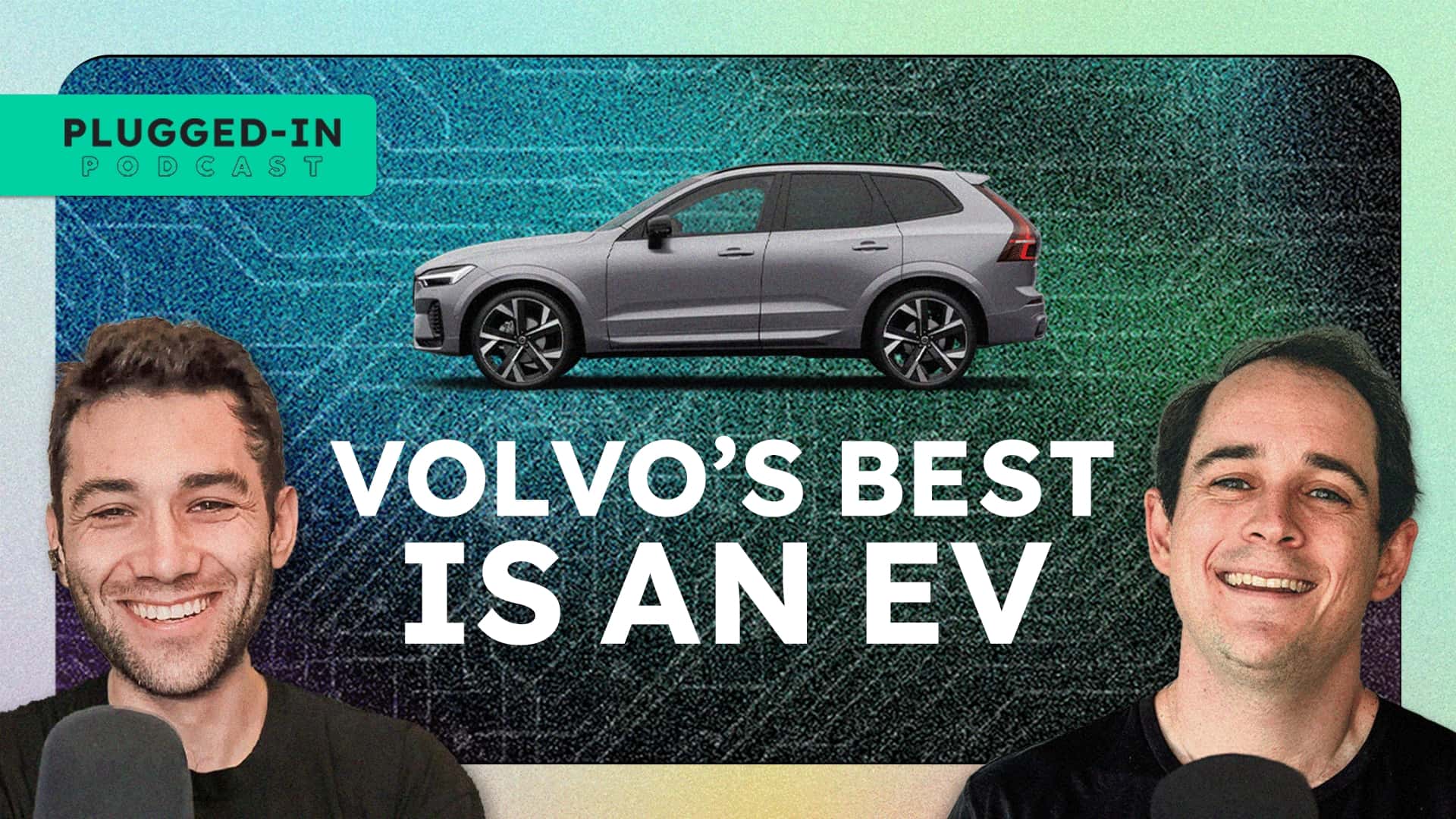
One of the most exciting developments in the EV space is the emergence of “Gen 3” EVs. These vehicles represent a significant leap forward in design, performance, and user experience. Companies like Volvo, Mercedes, and BMW are leading the charge with models that offer true software-defined capabilities, improved range, and competitive pricing. The Volvo EX60, for instance, is a prime example of this evolution.
The EX60 encapsulates all the reasons why I’m excited about the new slate of arrivals from these brands. It offers an ultra-polished user experience, a great interior, excellent range specs, and quick charging speeds. What’s more, its price is on par with the plug-in hybrid XC60, making it a compelling choice for consumers.
Charging Infrastructure: Faster and More Reliable
A few years ago, finding a fast charger that could support the EX60’s 370-kW max charging speed was a challenge. Even if you did find a 350 kW charger, it might have been broken or unreliable. However, this is changing rapidly. In California, I can almost always find a 350-kW charger, and I rarely encounter one that’s broken. Speeds are only getting better thanks to companies like ABB.
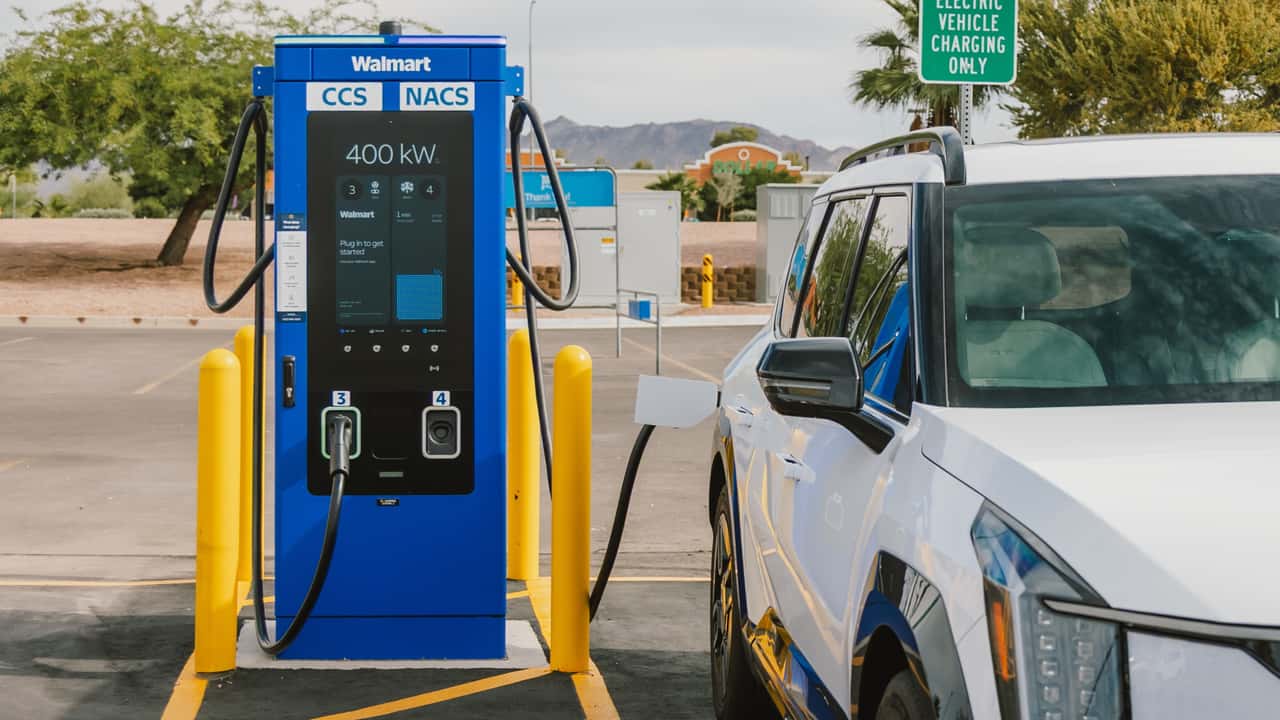
ABB is at the forefront of developing high-speed charging solutions. They make 400-kW fast chargers that are already rolling out to Walmarts across the country as the retailer expands its own charging efforts. Additionally, ABB has Megawatt chargers on the way, which promise even faster charging times.
Federal Roadblocks: A Fee for EV Drivers
Despite these advancements, the federal government continues to introduce policies that could hinder EV adoption. One such policy is a proposed $130-a-year fee for EV drivers. The justification for this fee is that EV owners aren’t paying gas taxes, which are used to fund road construction and repairs. However, this approach is seen as unfair and discouraging.
As discussed in the Plugged-In Podcast and other articles, this fee is another attempt to discourage people from making choices that benefit the environment. It’s a move that could slow down the transition to electric vehicles, despite the clear advantages they offer for both consumers and the planet.
The Road Ahead
While the federal government may be putting up roadblocks, the momentum behind EV adoption is not slowing down. Major companies like Volvo, Walmart, and ABB are continuing to invest in and develop EV technology. The global auto industry is moving toward electrification, regardless of what happens in Washington.
This shift is driven by consumer demand, technological innovation, and environmental concerns. As more people choose electric vehicles, the need for reliable and accessible charging infrastructure will only grow. Companies that are investing in this future are well-positioned to lead the way.
Conclusion
The EV market is at a crossroads. On one hand, there are significant advancements in vehicle technology and charging infrastructure. On the other hand, there are policies that could slow down progress. Despite these challenges, the trend toward electric vehicles shows no signs of reversing. With continued investment and innovation, the future of transportation looks electric.