
Uncovering the Hidden Truths Behind “Healthy” Foods
When it comes to making healthy choices, sometimes the most surprising culprits are the ones that seem the healthiest. A recent discussion on a popular online forum sparked a wave of conversation about foods that may not be as beneficial as they appear. From snacks to drinks and meals, several items have been called out for their misleading marketing or hidden nutritional pitfalls.
Chocolate Hazelnut Spread
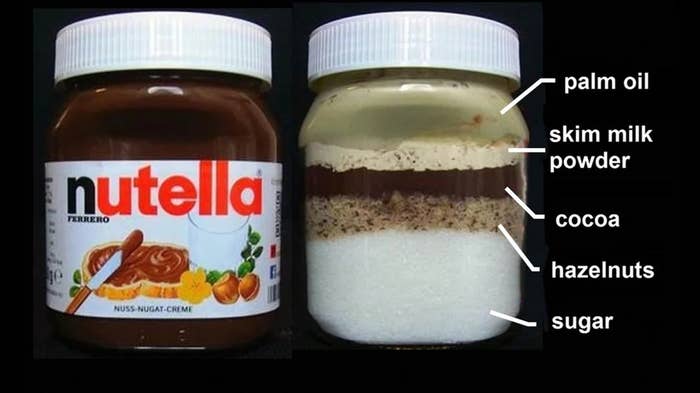
One of the top contenders is chocolate hazelnut spread. While it’s often marketed as part of a balanced breakfast, this spread can be high in sugar and calories. It’s technically possible to include it in a healthy meal if used sparingly, but many people tend to overindulge, turning it into a sugary treat rather than a nutritious option.
Veggie Straws
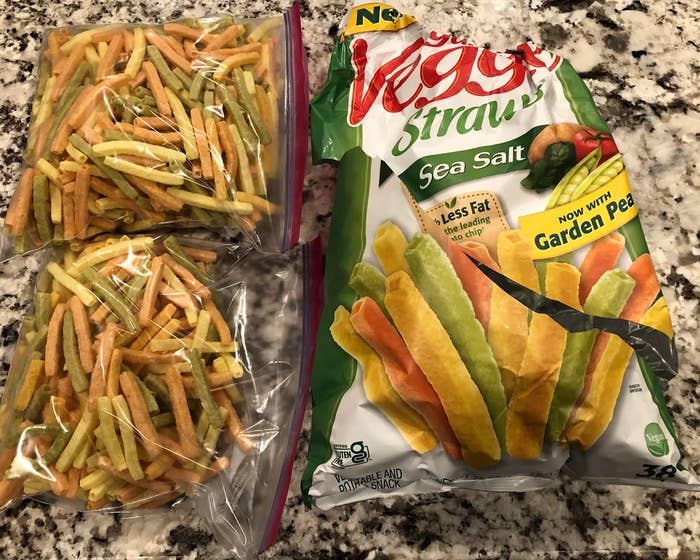
Veggie straws are another example of deceptive marketing. Despite their name, they’re essentially potato chips with a small amount of vegetables for color. The term “veggie” is doing most of the heavy lifting, leading consumers to believe they’re making a healthier choice when they might not be.
Detox Drinks
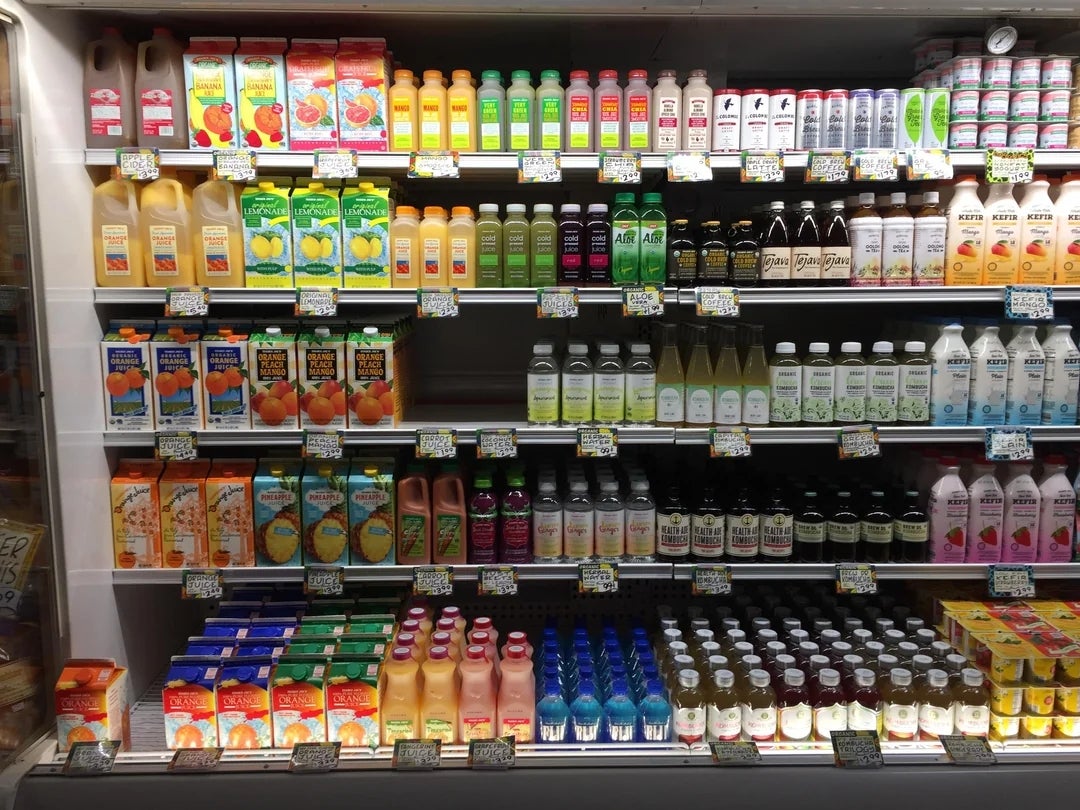
Detox drinks have also come under scrutiny. These beverages are often marketed as a way to “flush toxins” from the body, but the reality is that the body has its own natural detoxification processes. Many of these drinks simply cause digestive issues without providing any real health benefits.
Restaurant Salads
Restaurant salads, while seemingly healthy, can be surprisingly high in calories. Adding fried toppings, cheese, and creamy dressings can easily push the calorie count over 1,000. The word “salad” can be misleading, leading people to overlook the unhealthy additions.

Fruit Juice
Fruit juice is another item that can be misinterpreted as a healthy choice. While it contains vitamins, it’s often consumed in large quantities, leading to excessive sugar intake. The small glasses at hotel breakfasts are a far cry from the large servings people typically consume.

Muffins
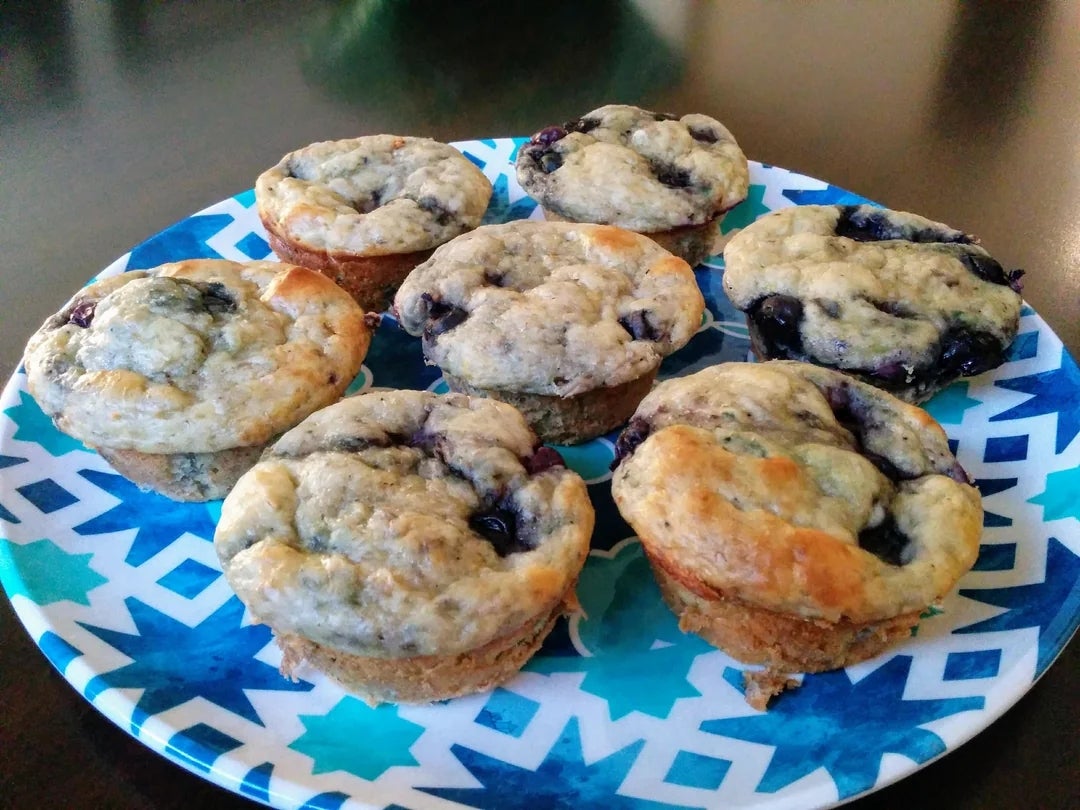
Muffins are often seen as a healthier alternative to pastries, but some store-bought muffins can be just as unhealthy. With around 650 calories and 50–60 grams of sugar, they’re essentially cupcakes without frosting.
Protein Bars
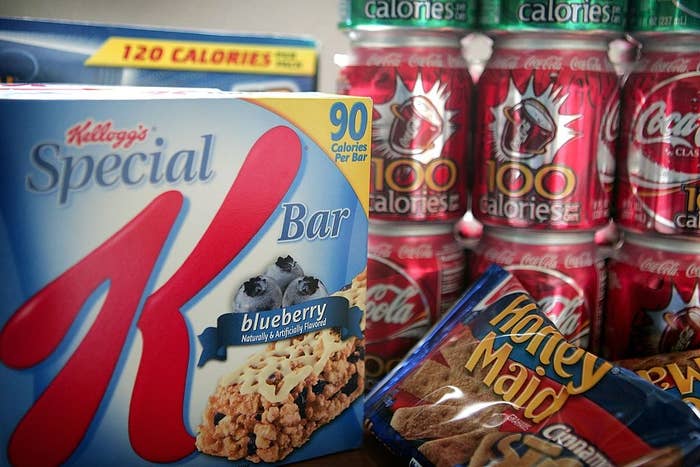
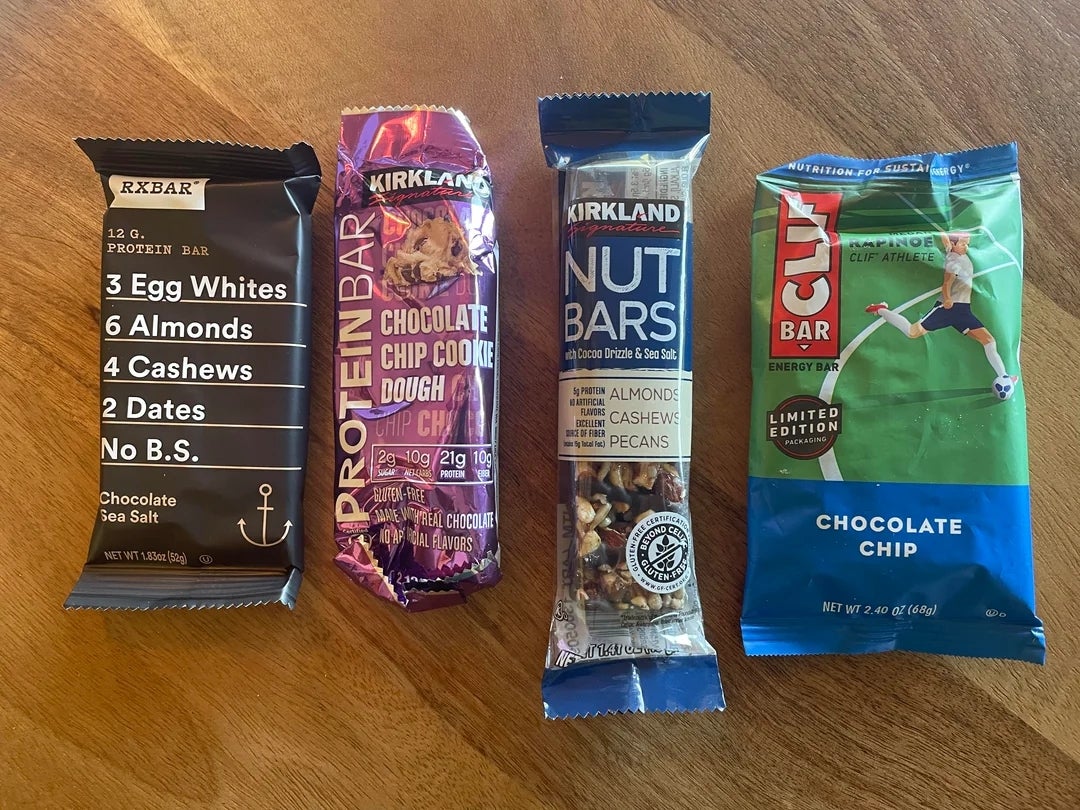
Chocolate protein bars and other flavored bars are often marketed as healthy options, but they can be as unhealthy as candy bars. They provide quick energy but aren’t automatically a health food unless specifically needed for physical activity.
Açaí Bowls
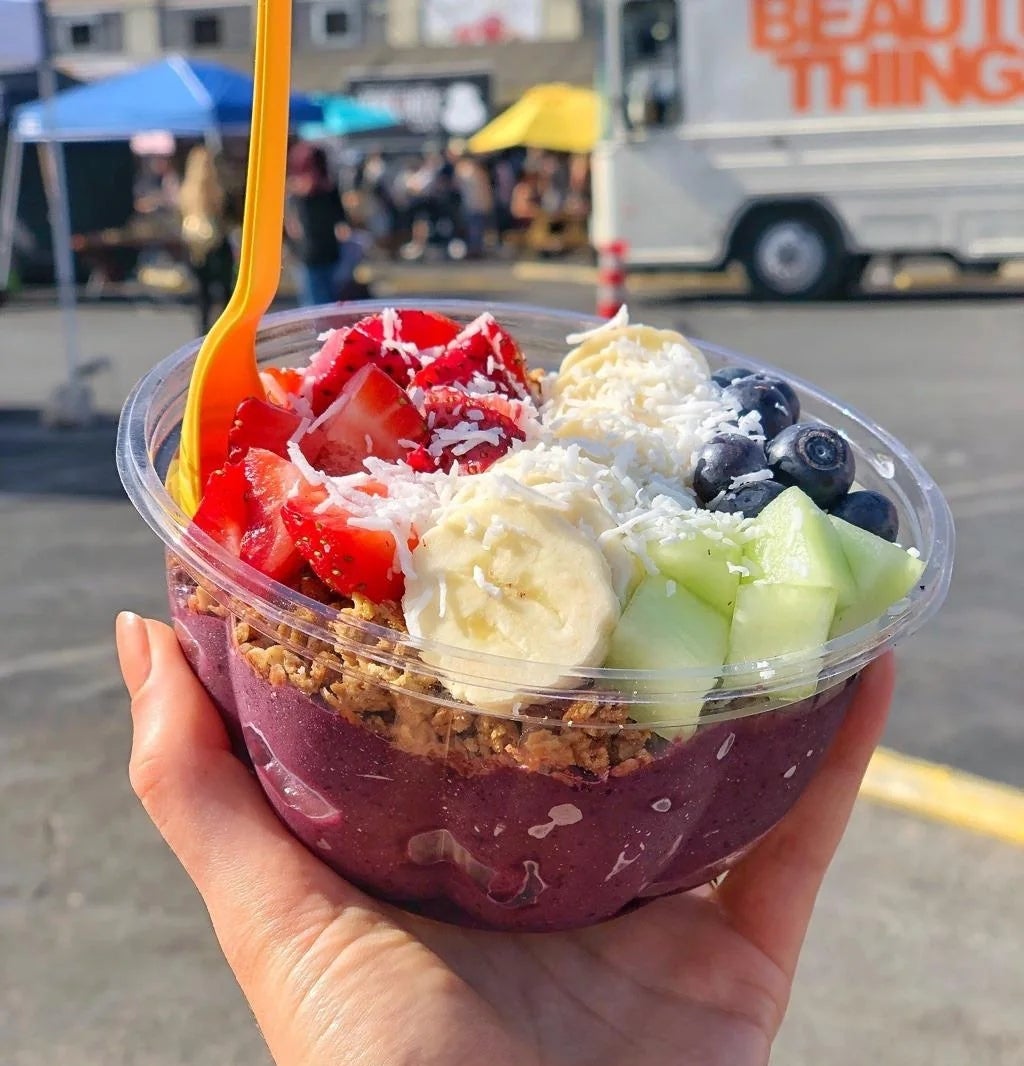
Açaí bowls are popular for their perceived health benefits, but some versions can be loaded with sugar and calories. They look like a wellness option but can be closer to dessert in terms of nutritional content.
Sports Drinks
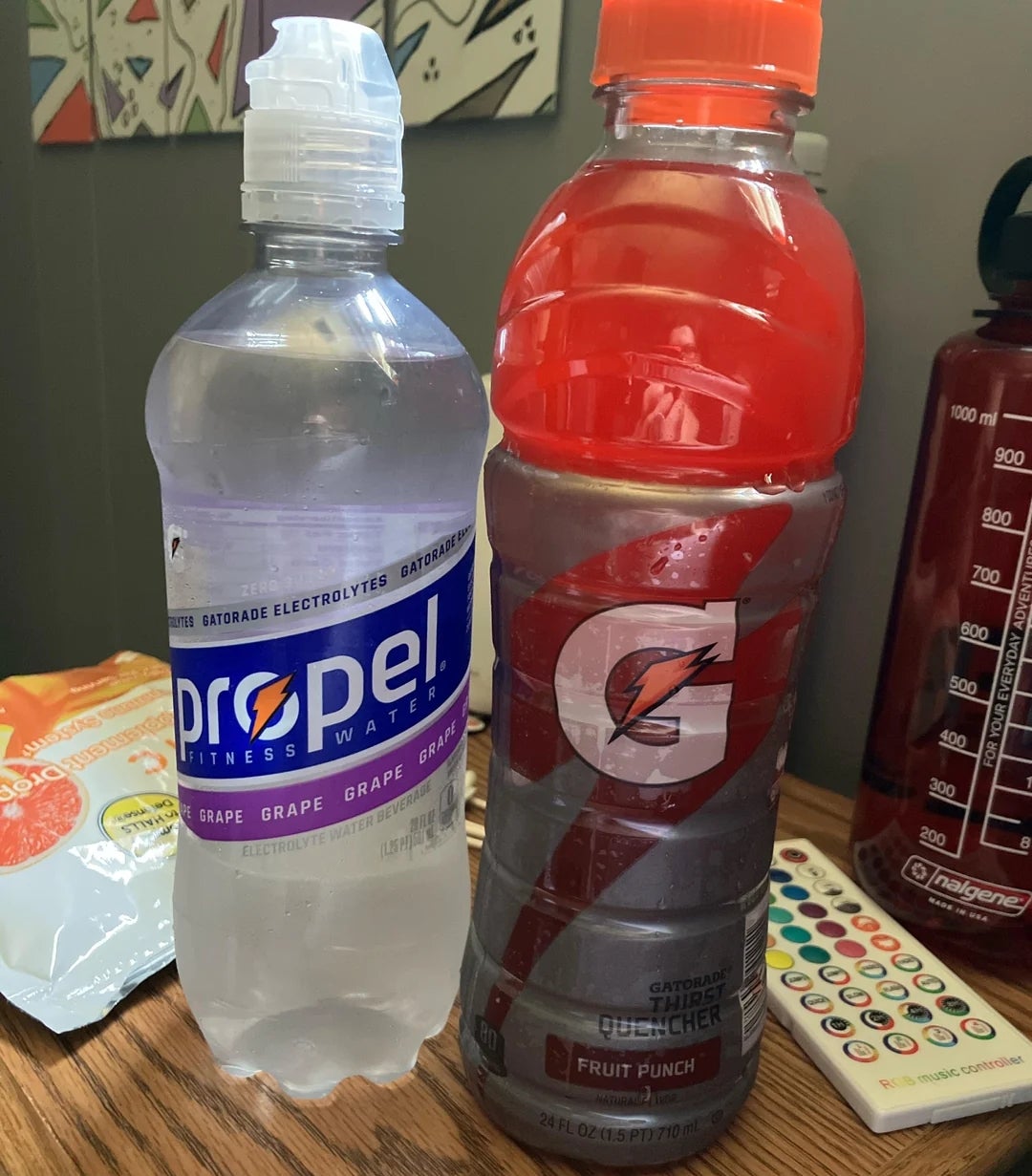
Sports drinks were designed for athletes who need electrolytes after intense physical activity. However, they’re not necessary for someone sitting around gaming. The marketing of these drinks can lead people to believe they’re essential for hydration.
Cereal
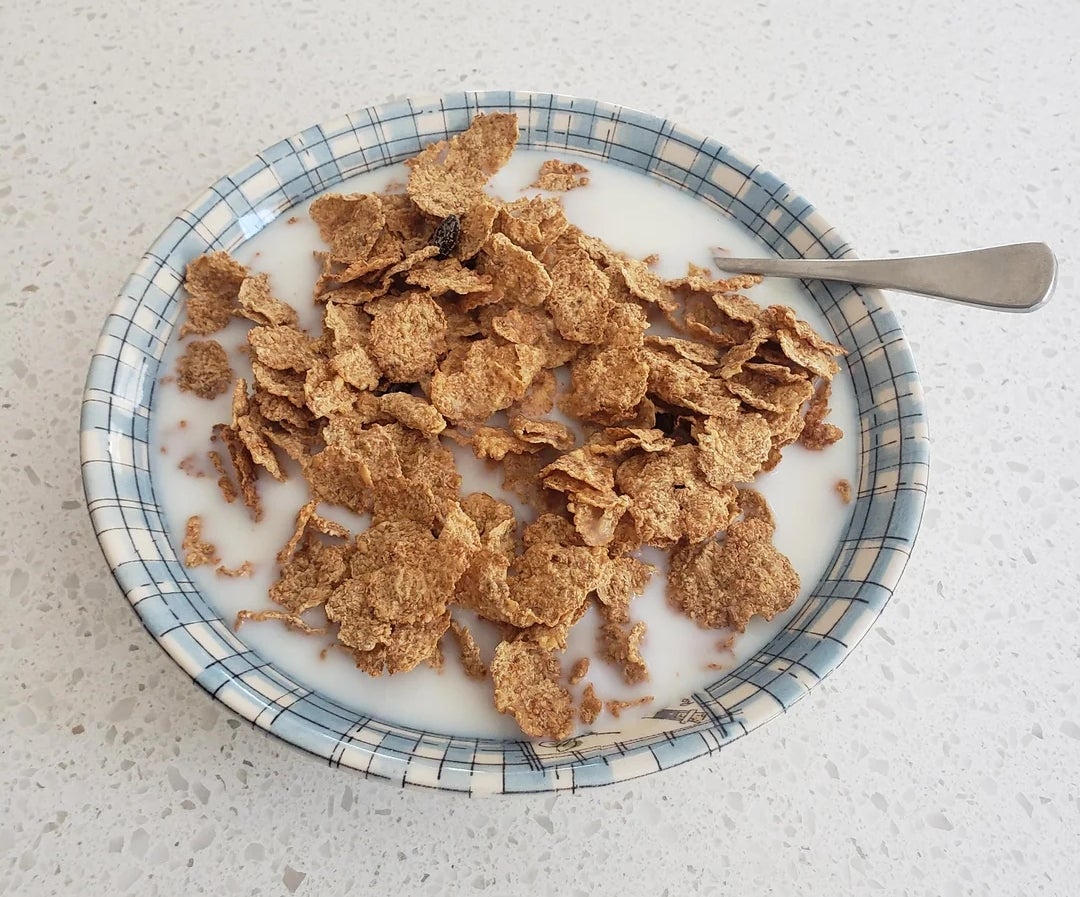
Cereal is often thought to be a healthy breakfast option, but some bran cereals can have more sugar per serving than other, more obviously sugary cereals. This can be a surprise for those trying to make healthier choices.
Coconut Oil
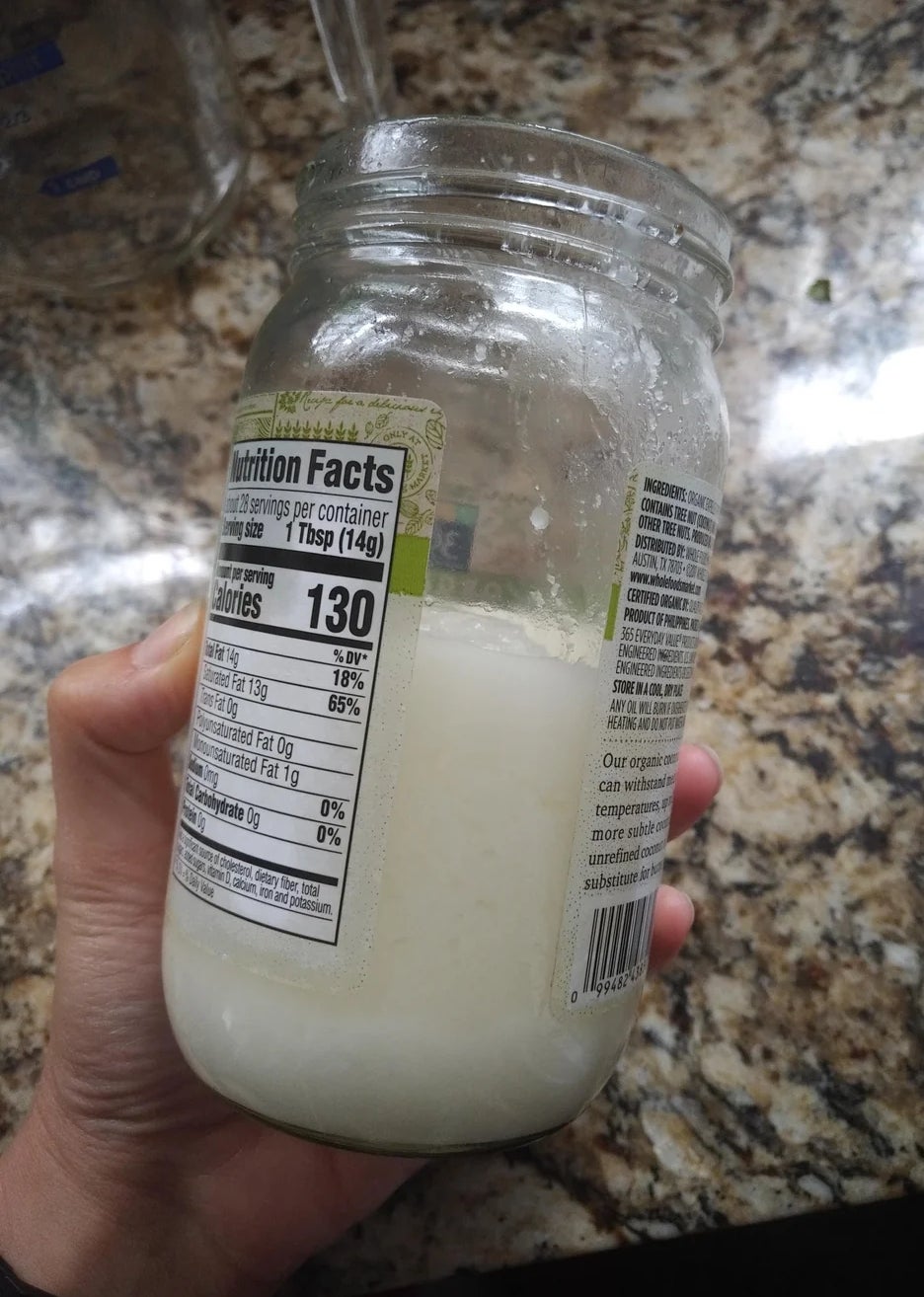
Coconut oil is often touted as a miracle fat, but it contains more saturated fat than butter or lard. While it can add flavor, it shouldn’t be considered a health miracle.
Dried Fruit
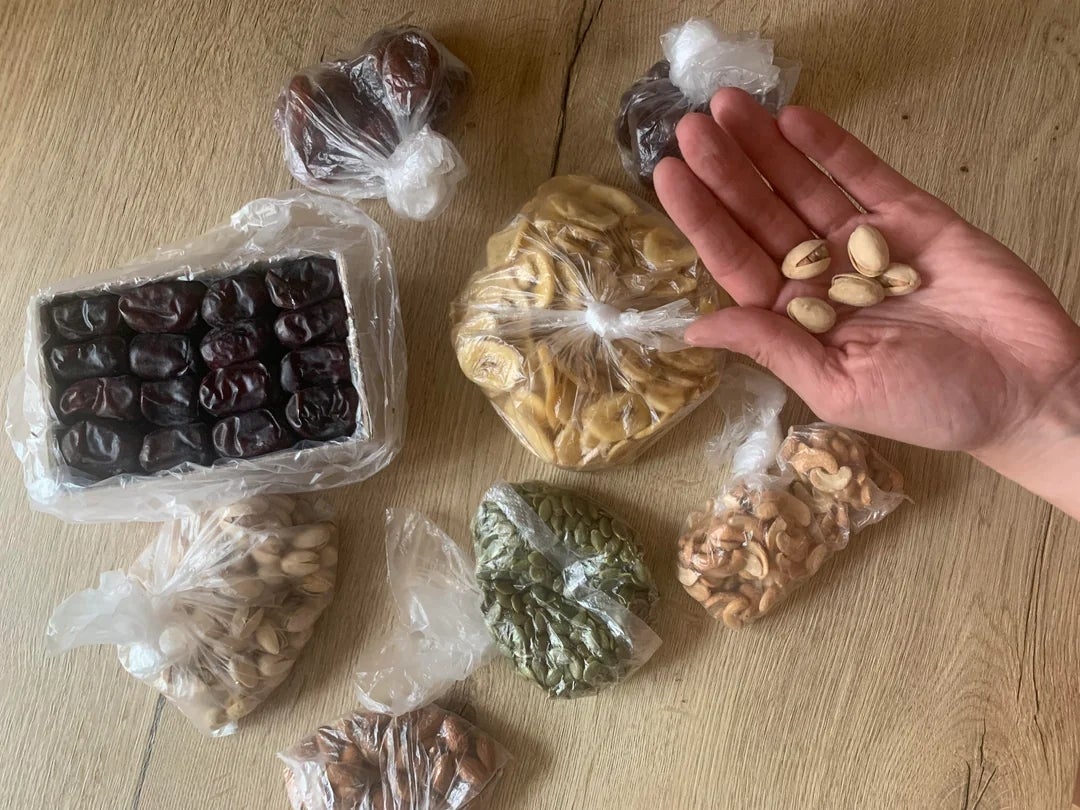
Dried fruit can seem like a healthy snack, but it’s high in sugar and has smaller serving sizes than people realize. Some varieties even have added sugar, which can be confusing for those looking for a natural snack.
Yogurt
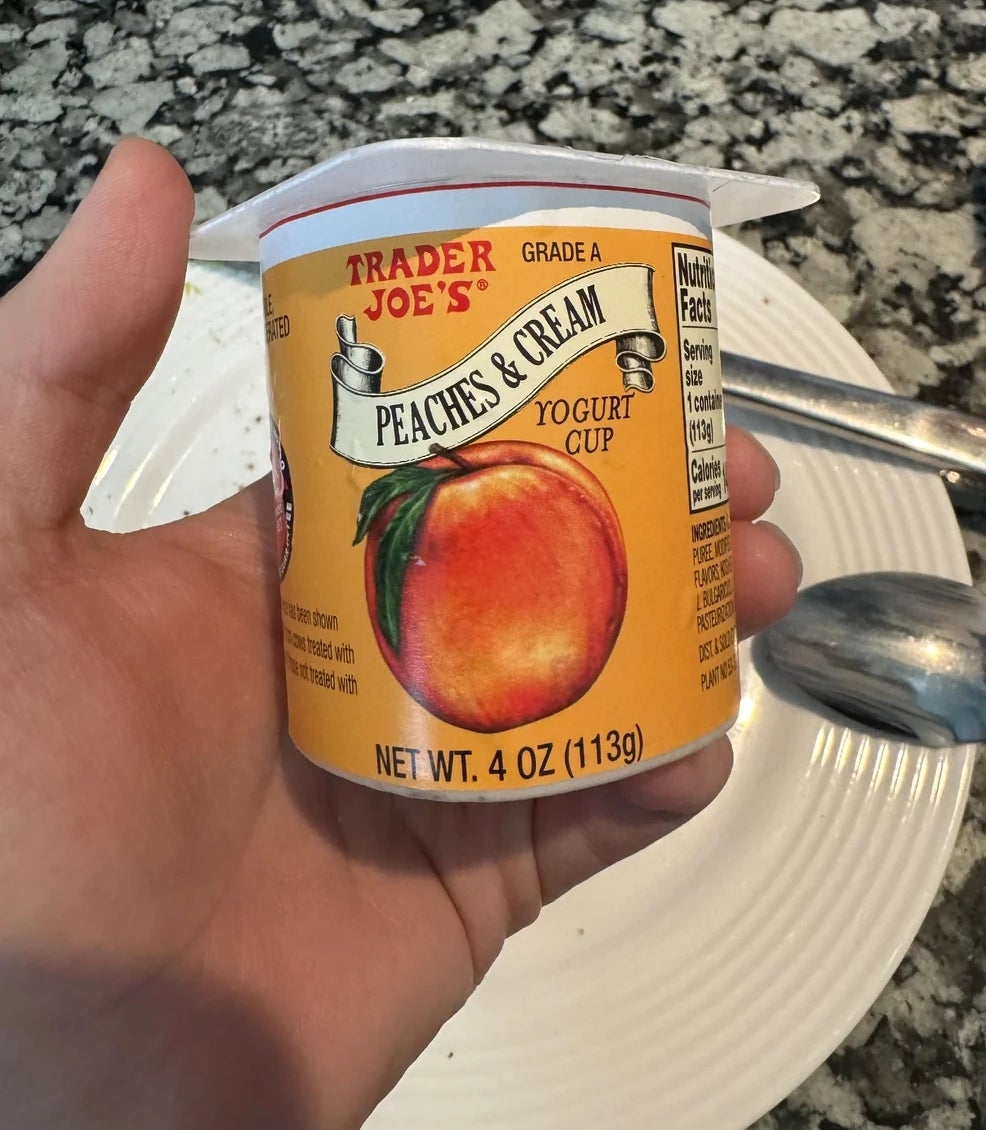
Flavored yogurt with “fruit” in it can be misleading. Many of these products are full of sweeteners and coloring, with only a small amount of actual fruit. Plain yogurt with fresh fruit is a better option.
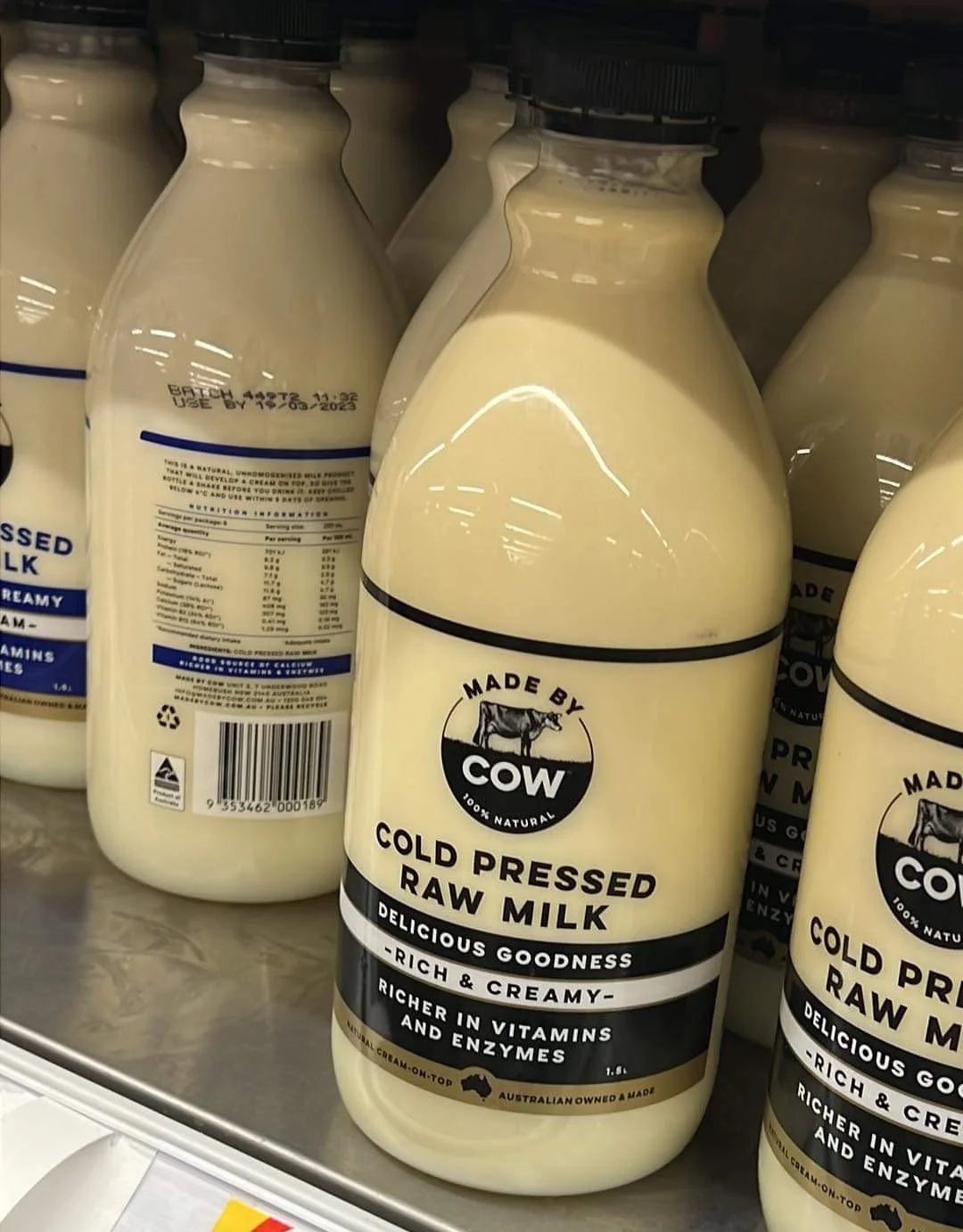
Raw Milk
Raw milk is often promoted as a healthier alternative, but it can pose serious health risks. Keeping even pasteurized milk safe is challenging, and raw milk at a commercial scale can lead to illness.
Vegan Food
Vegan food is often assumed to be healthy, but many vegan desserts can be packed with fat, sugar, and calories. The assumption that vegan automatically means healthy can be misleading.
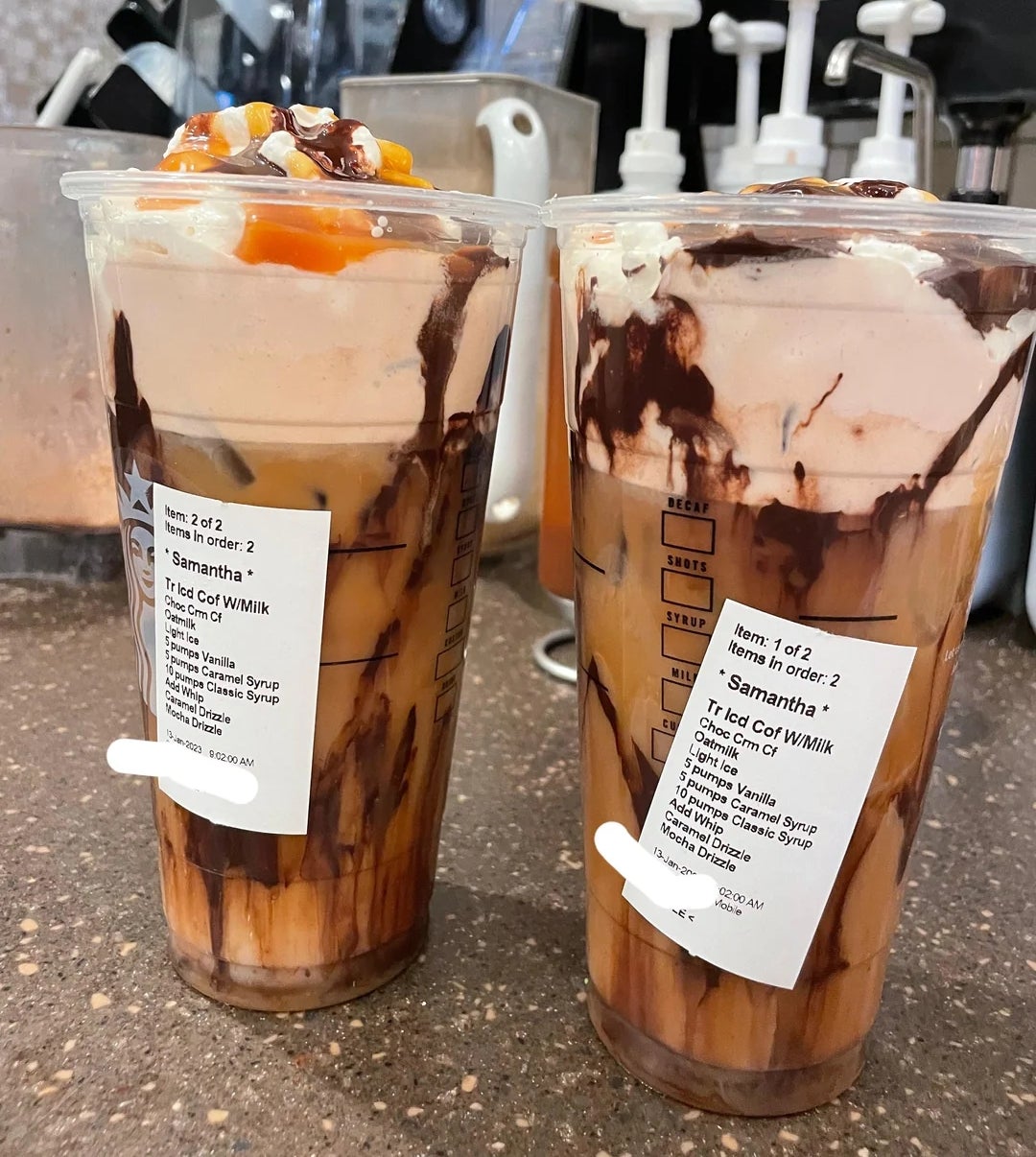
Coffee Drinks
Large frozen coffee drinks can be over 500 calories, which is more than some people eat in a meal. These drinks are often treated as casual beverages but are actually more like desserts with caffeine.

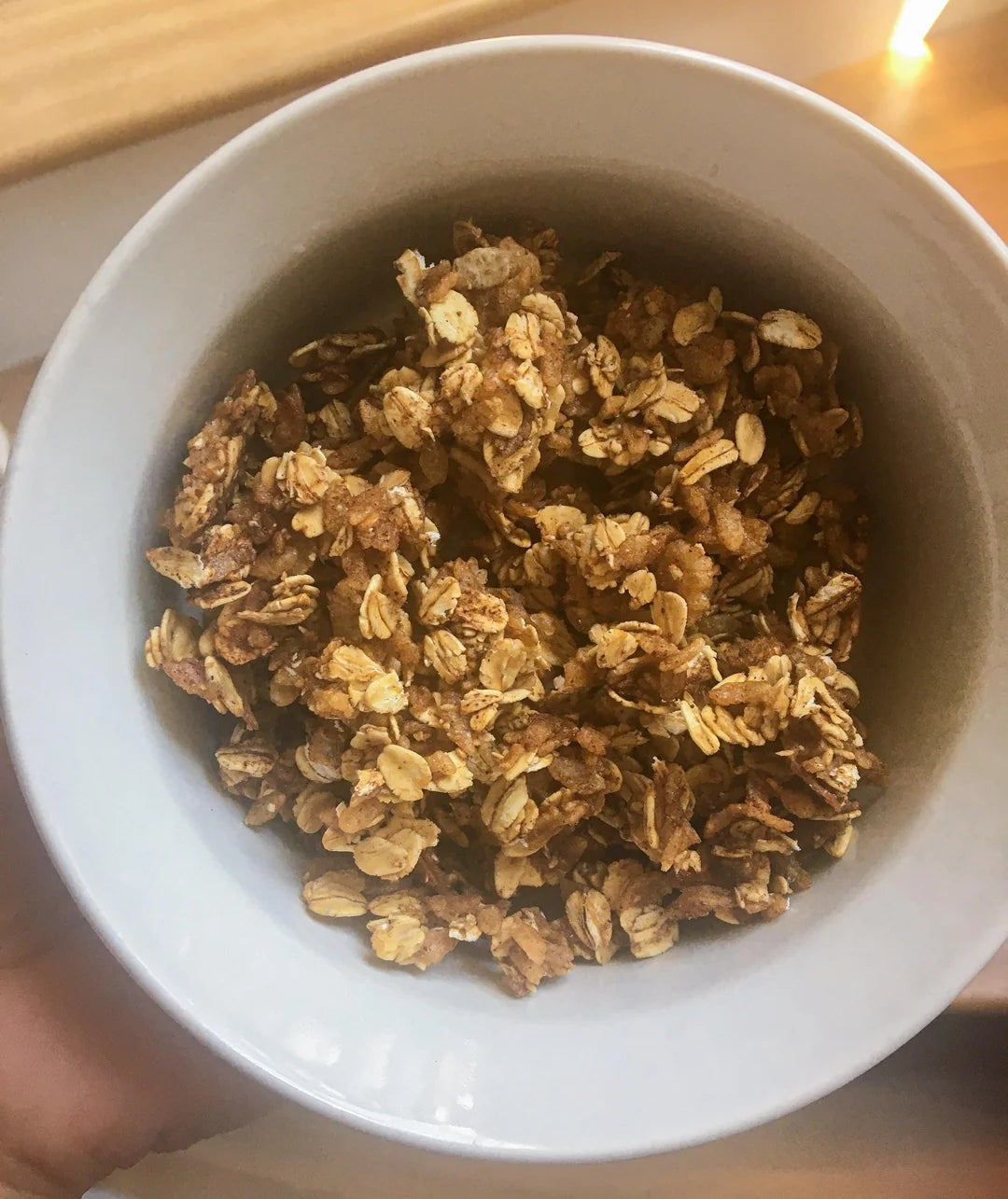
Granola
Granola is often seen as a healthy snack, but it can be high in calories and sugar. Making regular oatmeal with fresh fruit and nuts is a better alternative.
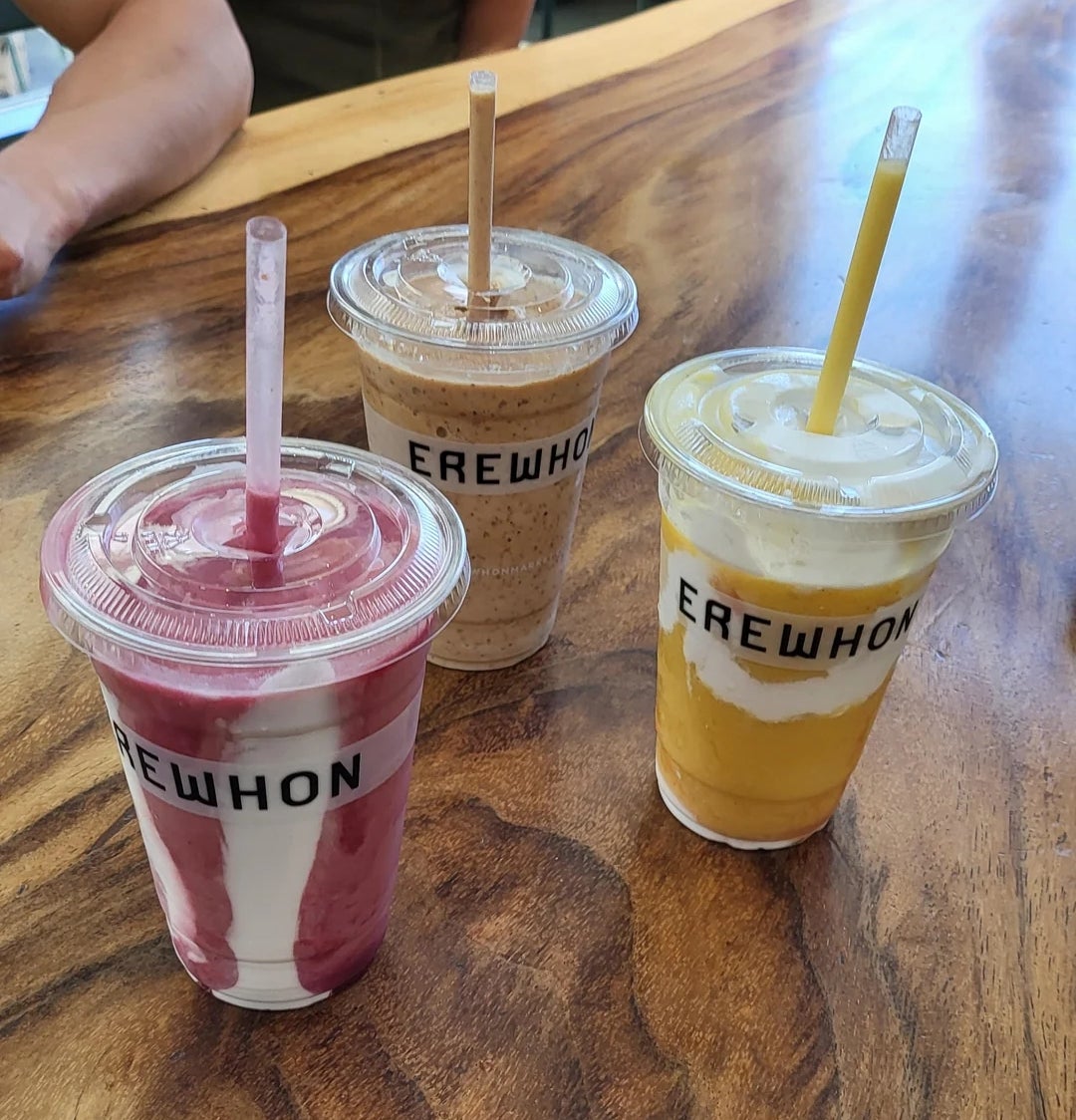
Smoothies
Smoothies from chain places can sound healthy, but they can be sugary drinks with fruit branding. People should be cautious and not assume every smoothie is automatically healthy just because it has fruit.
Bubble Tea
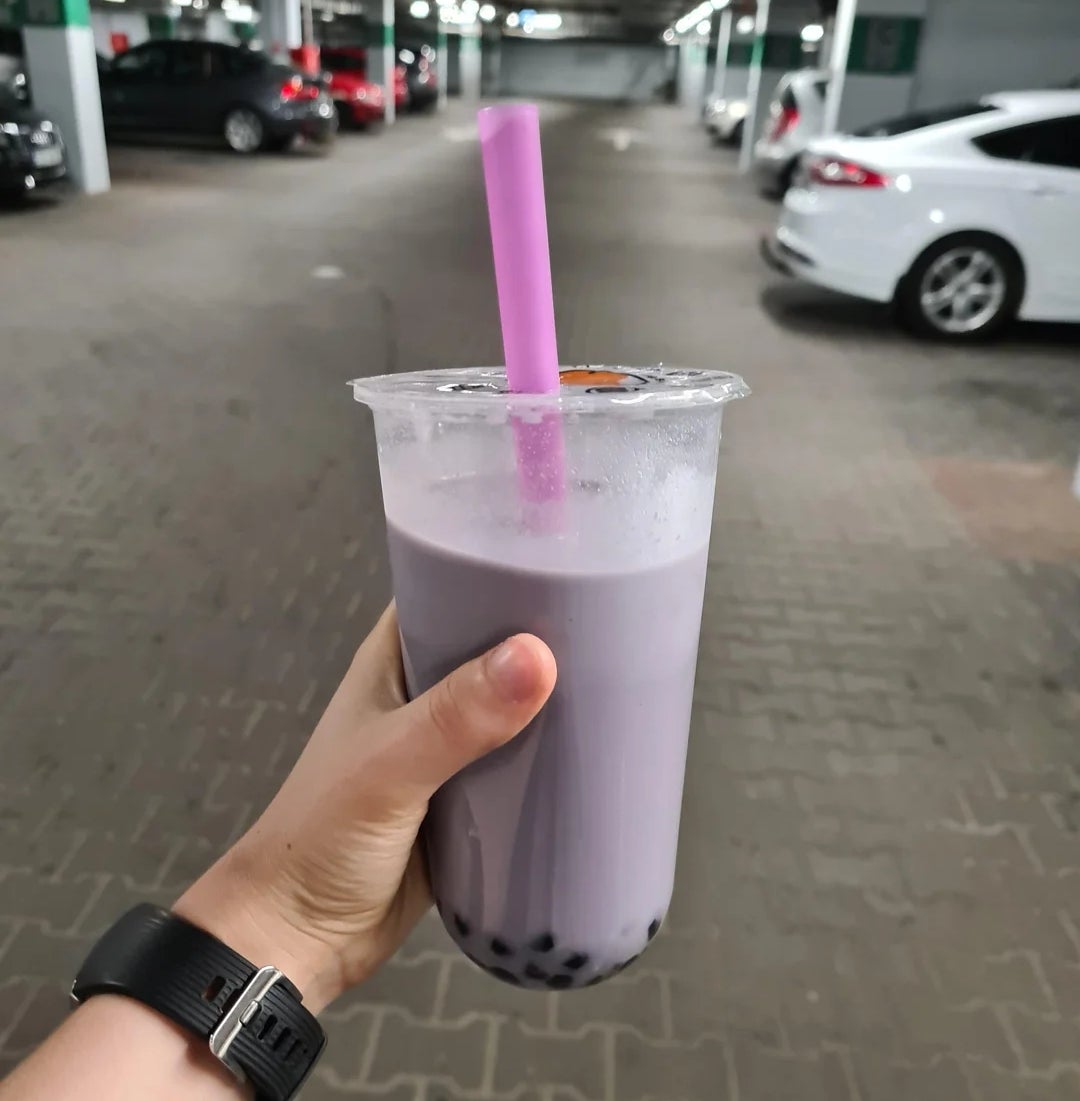
Bubble tea is sometimes viewed as a healthier alternative to coffee, but depending on the drink, it can be closer to a milkshake than a healthy tea.
Honey, Agave, and Maple Syrup
Honey, agave, and maple syrup are often seen as healthier alternatives to sugar, but they are still forms of sugar. They can affect blood sugar and weight loss similarly to regular sugar.
Trail Mix and Nuts
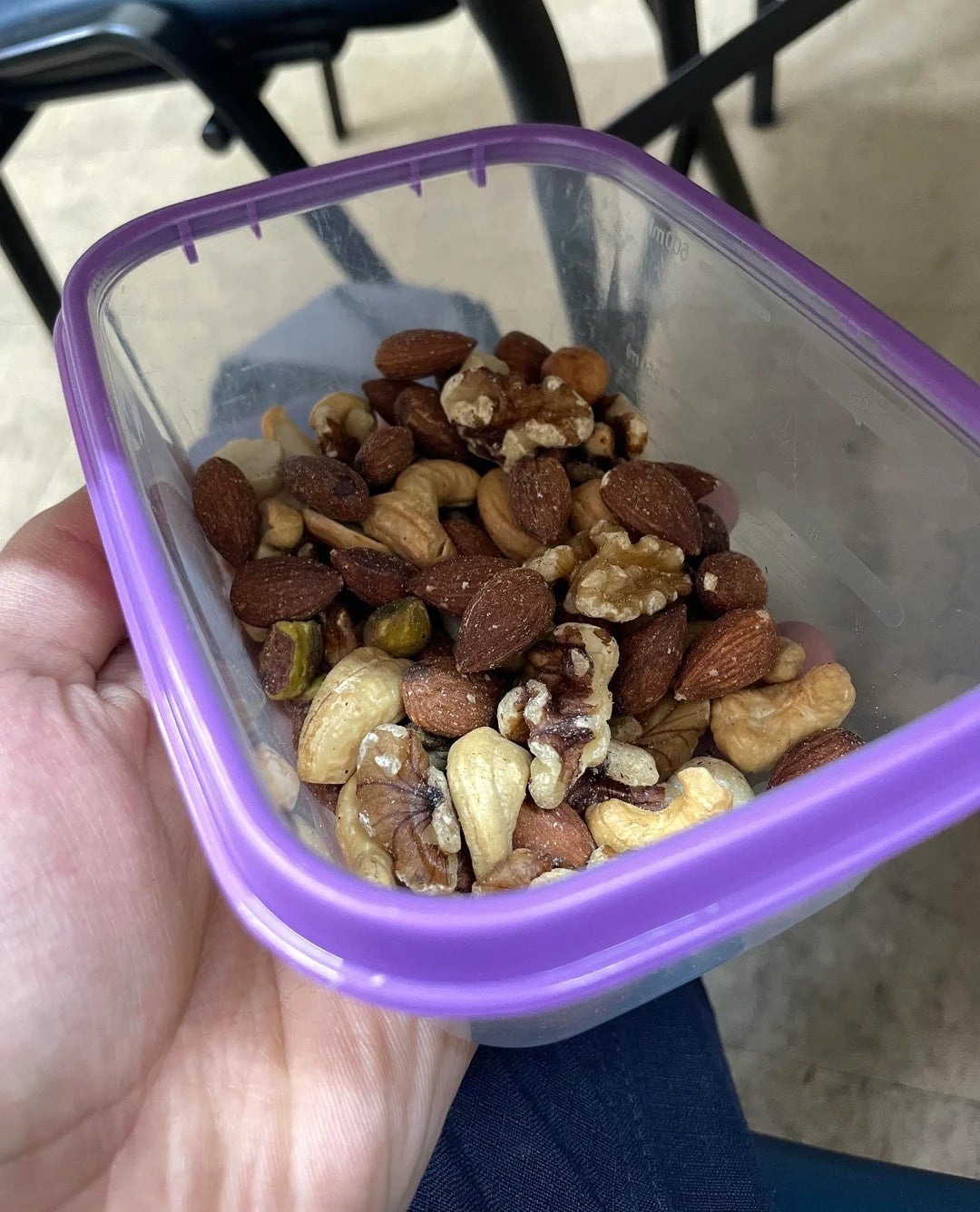
Nuts are nutrient-dense but also calorie-dense. A few handfuls can quickly add up, and checking the bag can reveal how much was actually consumed.

Coconut Milk
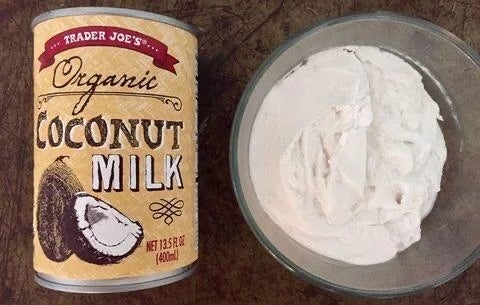
Coconut milk drinks are often marketed as healthy, but they can be loaded with saturated fat. They are essentially dessert in a bottle.
Organic and “All Natural” Foods
Organic and “all natural” labels can be misleading. These products can still contain marketing tricks and loopholes, along with a higher price tag.
Final Thoughts
The next time you reach for what you think is a healthy option, take a moment to check the nutrition label. Sometimes, the most deceptive foods are the ones that seem the healthiest. If you have any insights or experiences to share, feel free to contribute to the ongoing conversation.