At least 18 individuals potentially infected with Ebola fled a hospital after it was repeatedly attacked by distressed families. The situation has escalated as the outbreak continues to spread in the Democratic Republic of Congo (DRC), where at least 220 people have died since the virus was declared an epidemic earlier this month.
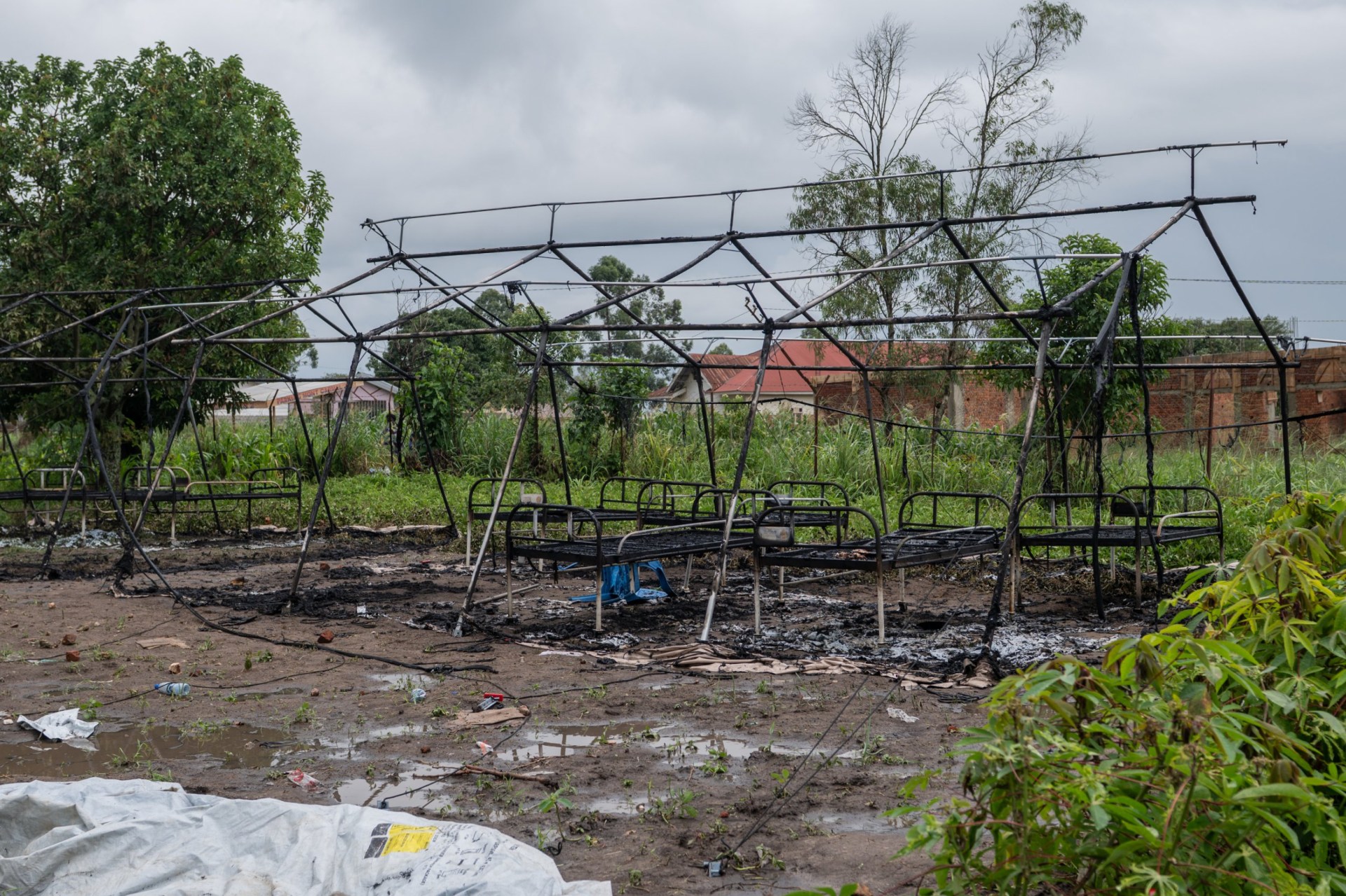
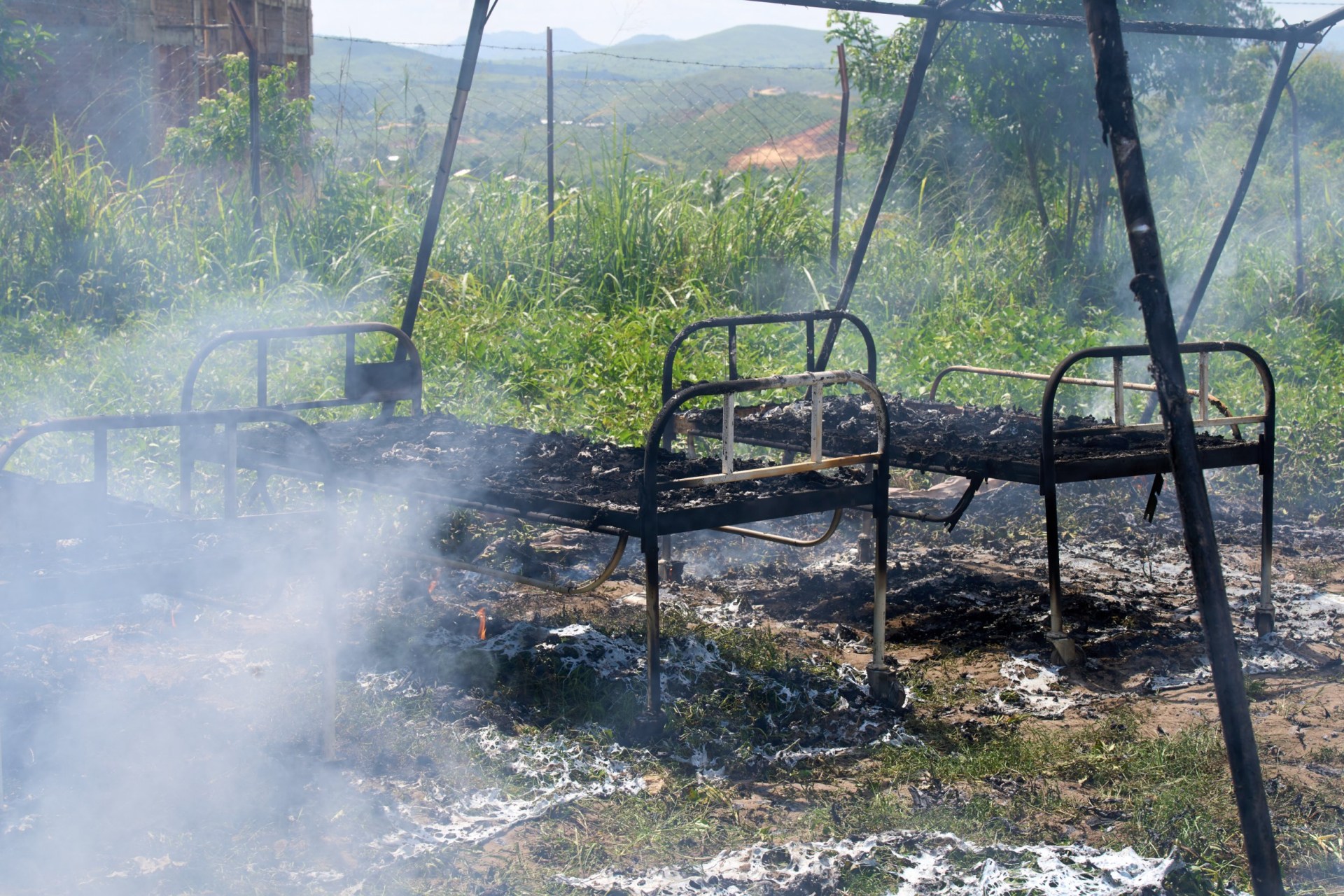
The attacks on makeshift hospitals in Ituri province, the epicenter of the outbreak, have intensified over the past week. On Saturday, 18 Ebola patients escaped from Mongbwalu general referral hospital as members of the public set fire to tents operated by Médecins Sans Frontières. Of these, four tested positive for the virus, with three returning negative results and one testing positive.
Dr Richard Lokodu, the medical director of the facility, stated to Reuters: “We have one confirmed case of Ebola that continues to circulate in the community and evade the response.” He also mentioned that the hospital was attacked four times on Sunday, with the assaults planned by the family of a Christian religious leader who had died of Ebola. During the second attack, a suspected patient in critical condition died while attempting to flee from his bed.
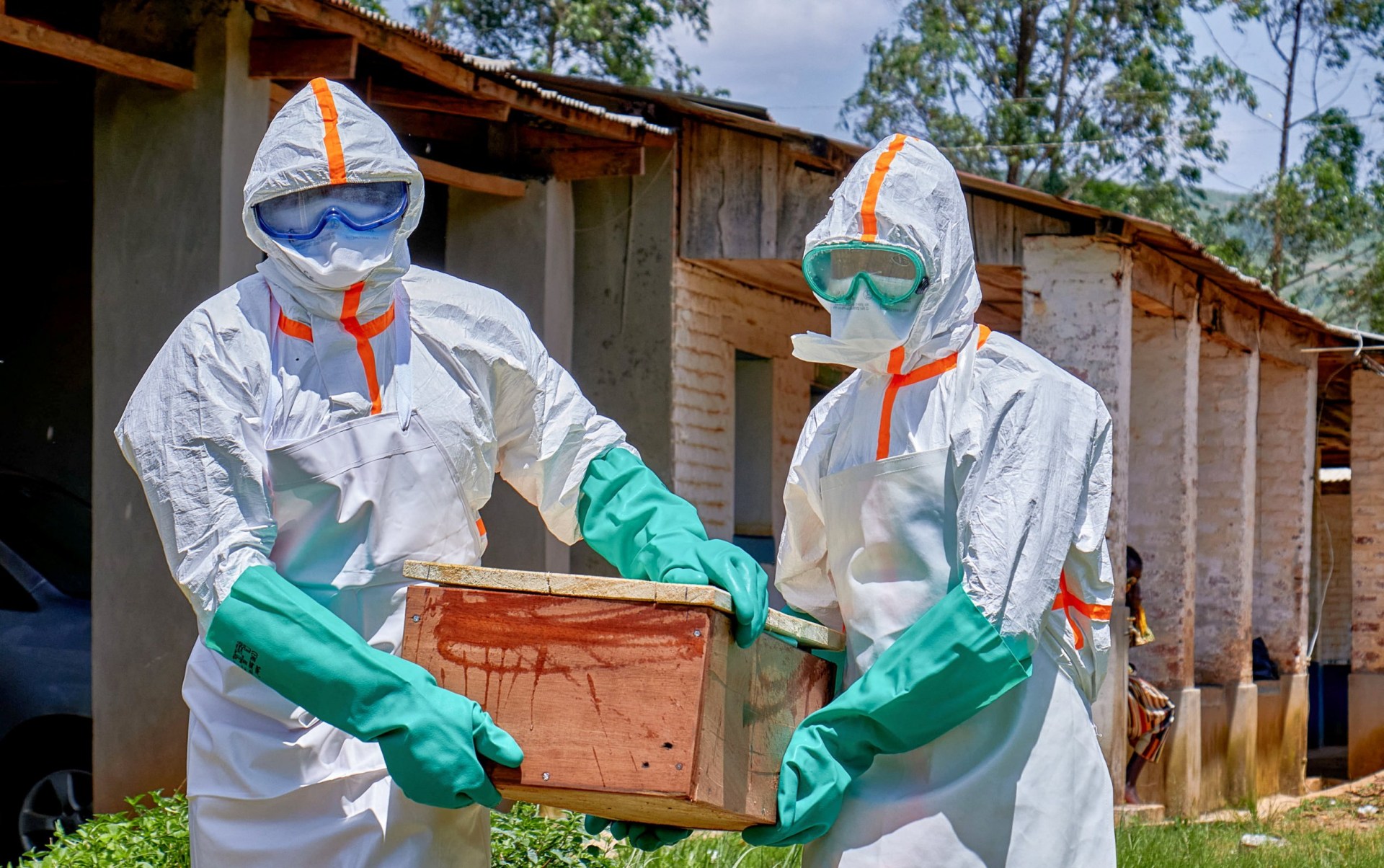
The attackers reportedly aimed to forcibly remove the bodies of Ebola victims for burial. This is particularly concerning because Ebola can be transmitted through contact with the bodily fluids of deceased individuals. In previous outbreaks, the virus has spread during mourning and funeral practices.
A similar incident occurred last Thursday when a grieving family burned down hospital tents at Rwampara Hospital after medical staff refused to release the body of a young footballer. Local officials attribute these attacks to a lack of awareness, with some communities perceiving Ebola as a “white man’s invention” or a means for hospitals to generate revenue.
Ebola outbreak ‘outpacing’ response
The Ebola epidemic is now outpacing health officials and aid groups, according to the head of the World Health Organization (WHO). Dr Tedros Adhanom Ghebreyesus, WHO’s director-general, told African leaders: “We are urgently scaling up operations, but at the moment the epidemic is outpacing us.”
Uganda reported two additional Ebola cases, bringing its total number of cases to seven. These new cases involve Ugandan health workers in a private health facility in Kampala. Dr Ghebreyesus noted that delays in detecting Ebola cases have forced responders to play catch-up.
The type of Ebola virus responsible for the outbreak, known as Bundibugyo, is rare. There is currently no vaccine or approved treatment available. The first known case involved a healthcare worker whose symptoms began on April 24 and who later died at a medical facility in Bunia.
The hotspots for the outbreak include Rwampara, Mongbwalu, Nyankunde, and Bunia in Ituri province. This region is popular among migrating laborers due to its gold mines, while many civilians have been displaced by ongoing conflict. Cases have also been reported in North Kivu. The M23, a rebel group controlling territory in eastern Congo, confirmed a death in South Kivu.
While the US has advised Americans against visiting the DRC, the UK Foreign Office only warns against travel to the border of Likouala. Uganda has restricted travel to and from the DRC and suspended all flights to and from the country.
As test results continue to come in, health officials expect the number of cases to rise to as many as 1,000—if it hasn’t already reached that level.
What is Ebola?
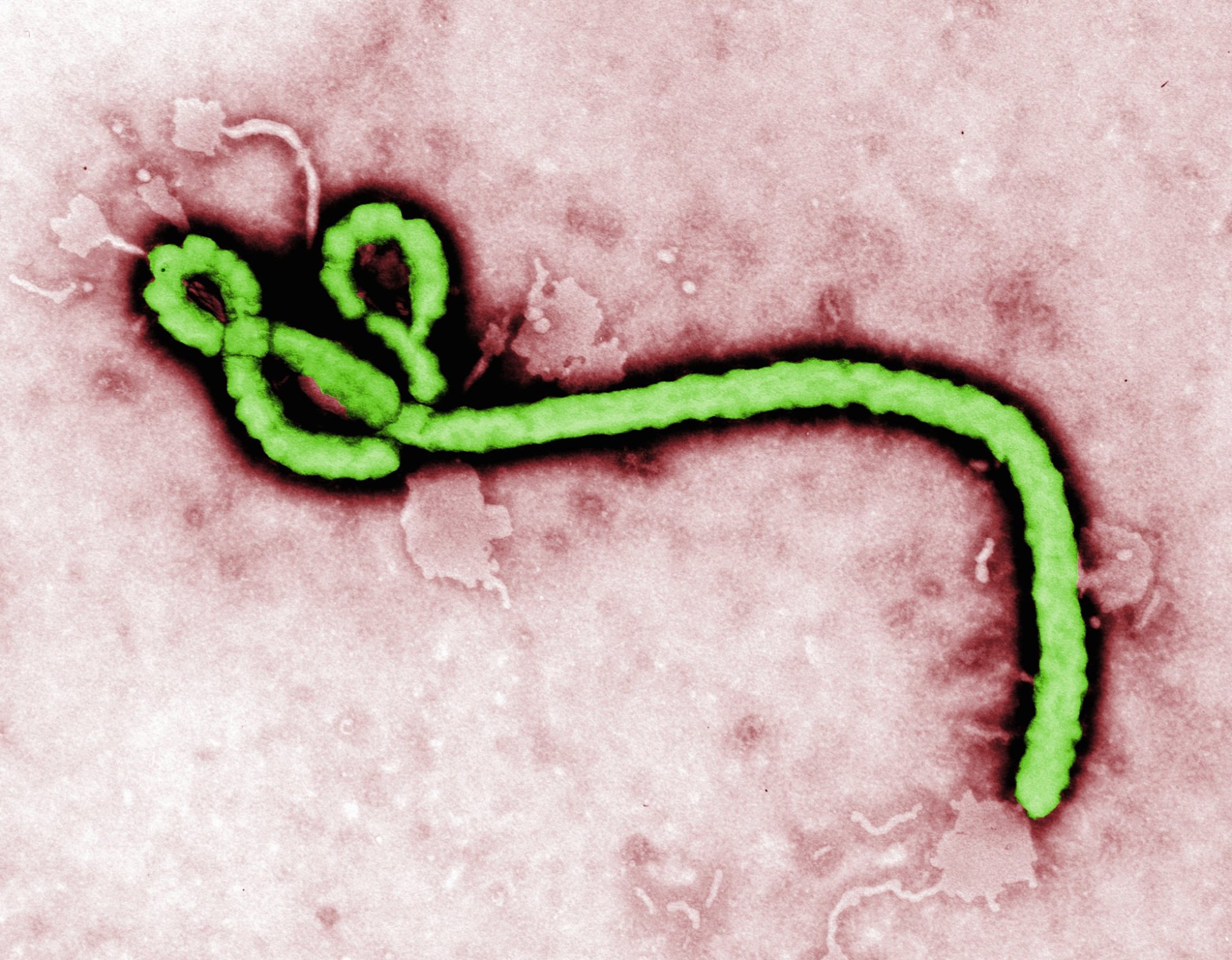
Ebola is an illness caused by a group of related viruses, known as orthoebolaviruses. Infections typically occur in two phases—dry and wet. The so-called dry symptoms, which include fever, aches, pains, and fatigue, can progress to ‘wet’ ones such as diarrhea, vomiting, and bleeding.
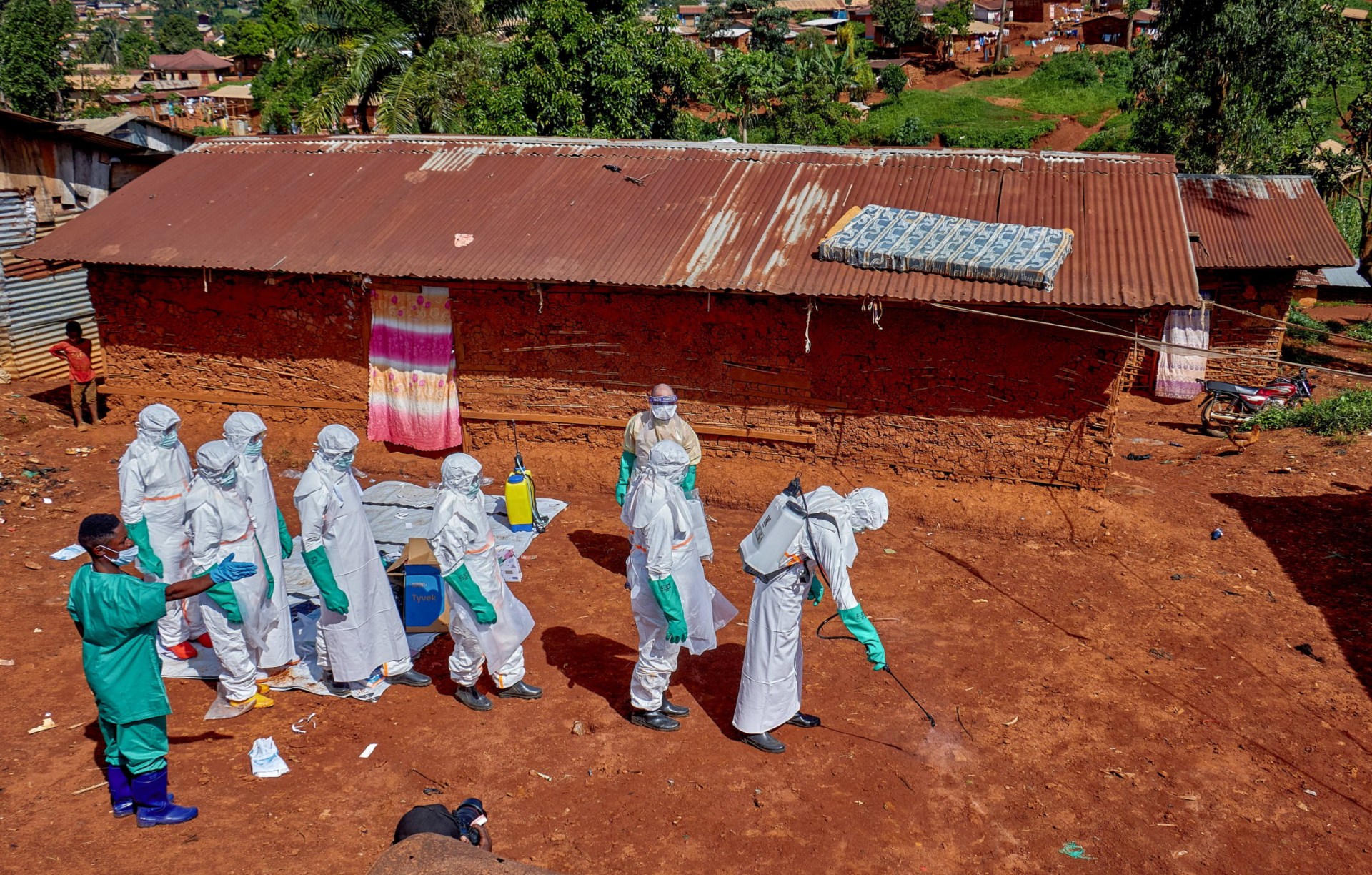
The initial round of symptoms, which appear within 21 days, often resemble those of the common cold or flu, leading to many undiagnosed cases. Ebola is mainly spread through contact with the bodily fluids of an infected, sick, or dead person, or contaminated objects like clothing. It does not spread through airborne particles. Instead, infected fluid must directly enter the body through an opening, like the mouth.