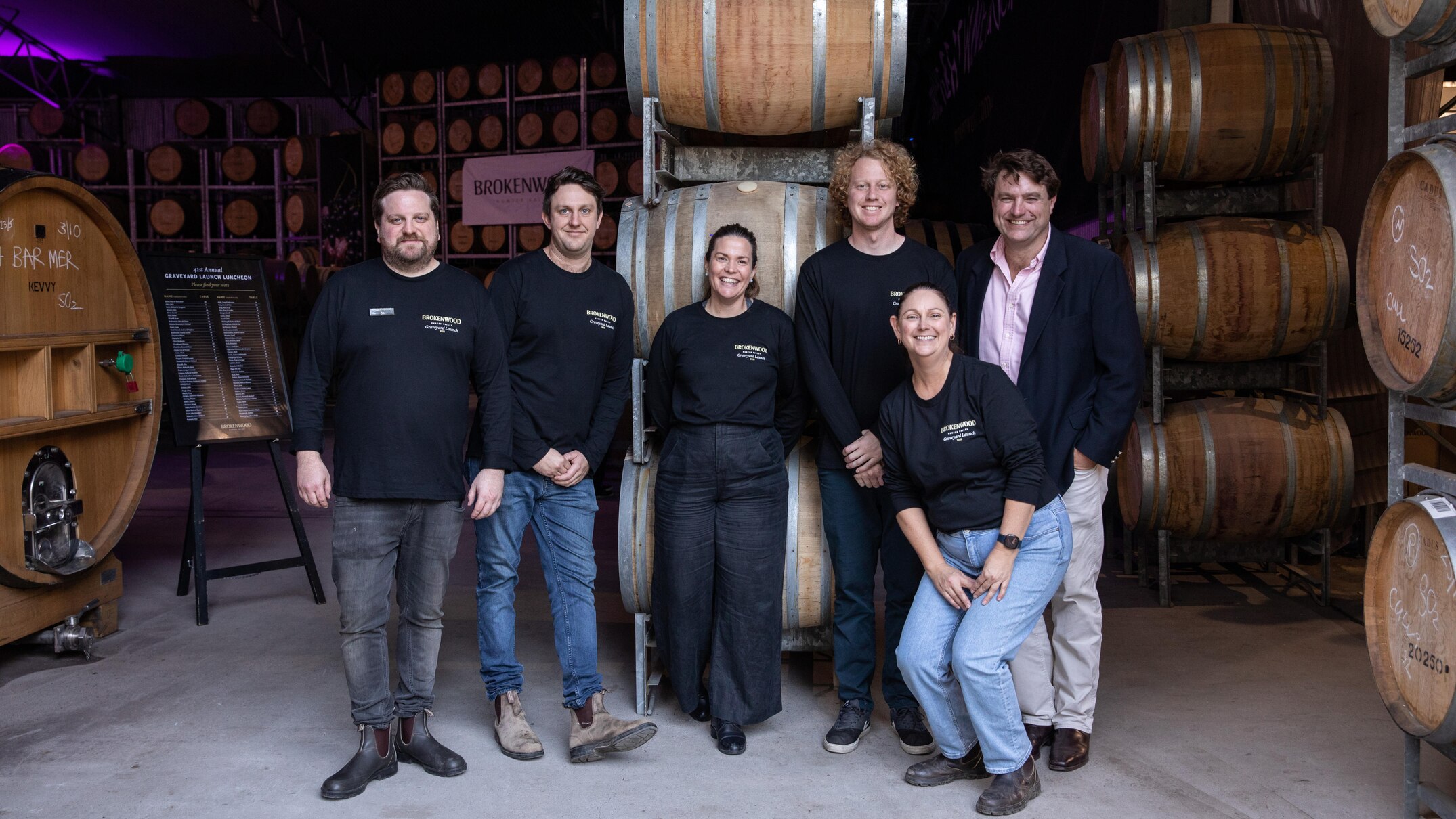
A New Approach to Winemaking
As demand for wine continues to decline, many winemakers are facing the tough decision of not harvesting their crops. However, one winery is taking a different approach by ensuring that no grape goes to waste. Brokenwood winery, located in the New South Wales Hunter Valley, has found a way to turn grape waste into something valuable.
Turning Waste into Value
Brokenwood winery has been using the stems, skins, and seeds from their grapes to create compost, which is then used to fertilise their vines. This process not only reduces waste but also contributes to the overall health of the vineyard. The winery’s commitment to sustainability has earned them recognition, including the President’s Medal from the Royal Agricultural Society.
Chief winemaker at Brokenwood, Stuart Hordern, expressed his pride in the achievement, especially during a challenging time for the wine industry. He noted that the industry has faced difficulties over the past five to ten years and that such recognition helps boost morale among the team.
“It’s a bit undervalued, how much it helps morale in a business,” he said. “It helps the belief of all the guys and girls that work here, knowing that what they’re striving towards is making a big difference.”
Addressing Industry Challenges
The decline in demand for wine has led to a surplus of unsold wine and unharvested grapes. Some farmers have even removed vines entirely. However, Mr. Hordern believes that small improvements in winemaking practices can lead to a better future for the industry.
“Number one, hang in there. Rome wasn’t built in a day,” he said. “It’s a slow burn, all of the changes we’ve made over the last decade. It wasn’t done in one year. It’s about having the faith and perseverance to keep going.”
Sustainability as a Priority
What started as a small hobby operation in the 1970s has grown into a large winery producing 90,000 cases a year. Mr. Hordern explained that the company has been a long-term member of Sustainable Winegrowing Australia, a national program developed by the wine industry.
Improving soil health is a key priority for the business. This includes using testing and moisture probes, mid-cover cropping, and applying sunscreen to leaves to protect the crop. “A big driver in the vineyard has been soil health over the last decade,” he said.
The winery also made 70 per cent of its bottles using lightweight glass to reduce emissions. This commitment to sustainability was acknowledged by the judges during an on-site visit.
Industry Leadership
Judge Simon Marnie, along with fellow judge Kate Lorimer-Ward, conducted the inspection in February. They noted that Brokenwood had become an industry leader. Ms. Lorimer-Ward highlighted that sustainability at Brokenwood is not just a marketing strategy but a structural part of the business.
“Sustainability is more than a buzzword at Brokenwood,” she said. “To them it is about looking after people and communities, protecting the land that the wines come from, and running a business that can stay strong for the long haul.”
Recognition of Excellence
The President’s Medal is awarded based on environmental practices, financial health, community investment, governance, resilience, and industry leadership. This year’s finalists included Mandole Orchard, Marionette, Norco Co-Operative Limited, Stockyard Beef, and the Yoghurt Shop.